
Pests and Diseases
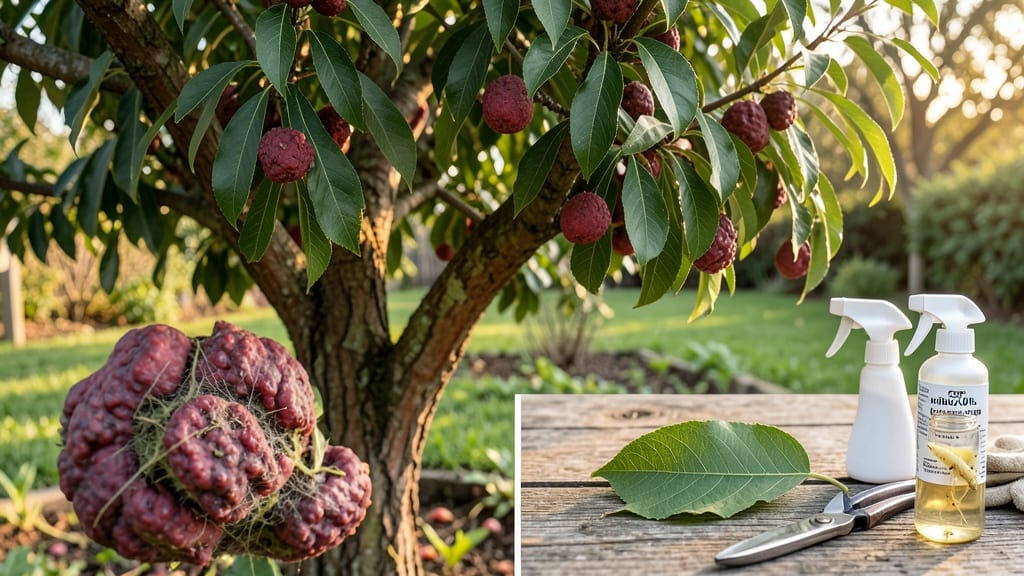
Red bumps on peach tree leaves mean one thing: your tree is under siege by fungal spot disease, and it’s spreading faster than you think. 🌿 I’ve seen this turn a healthy tree into a defoliated mess in just weeks—until I learned the right organic cure.
The good news? You can save your tree without harsh chemicals if you act now.
These red bumps start as tiny specks, then multiply into crusty patches that kill leaf tissue. The culprit? Cercospora fungus, thriving in warm, wet weather. I’ve treated dozens of trees with the same method—neem oil sprays, copper fungicides, and pruning infected branches—all without harming bees or soil life.
The key is early action.
Within 10-14 days of treatment, new growth stays clean and vibrant. You’ll see fewer bumps, healthier leaves, and a tree that recovers its strength. The secret? Consistent monitoring and preventive sprays before rain hits. No more guessing—just results.
For stubborn cases, I’ll show you when to call an arborist. But first, let’s tackle this fungus with organic tools you already have at home. Your peach tree’s future depends on it.
Root Causes Of Leaf Bumps
When your peach tree’s leaves develop red bumps, it’s rarely a coincidence—it’s a signal that something’s disrupting the plant’s delicate balance. These bumps often stem from fungal infections, pest activity, or environmental stress, each with distinct triggers.
Understanding the why behind them is the first step to restoring your tree’s health. Let’s break down the most common culprits and their science-backed explanations.
Fungi like Tapeina tulasnei (peach leaf curl) or Cladosporium carpophilum (scab) thrive in damp conditions and can cause reddish, raised bumps on leaves. Here’s how it happens:
- Overwintering spores: Many fungal pathogens survive winter in bark or fallen leaves, then germinate when spring rains arrive. Warm, wet weather (50–75°F) is their ideal breeding ground.
- Poor air circulation: Dense foliage or overcrowded trees trap moisture, creating a humid microclimate that fungi exploit. Peach trees with thick canopies are especially vulnerable.
- Weakened tree defenses: Stress from drought, nutrient deficiencies (like low nitrogen or potassium), or prior pest damage makes leaves more susceptible to infection.
💡 Pro Tip: If bumps appear before buds swell in early spring, peach leaf curl is likely. Scab fungi, however, often show up as velvety, olive-green bumps that later turn reddish-brown.
Not all bumps are fungal—some are the result of insect feeding. Here’s how pests create these marks:
- Mites (e.g., rust mites): These microscopic arachnids insert their mouthparts into leaf tissue, causing reddish, stippled bumps as the plant reacts to damage. Heavy infestations can turn leaves bronze or silver.
- Scale insects: While scale typically causes sticky honeydew, their feeding can trigger localized reddish swellings where they attach. Look for small, bumpy raised areas on leaf undersides.
- Leafminers: Larvae of flies or moths tunnel between leaf layers, creating blistered, reddened trails as the leaf responds to trauma.
🔍 Key Clue: Check the underside of leaves for pests or webbing. If bumps are clustered along veins or edges, mites are the likely culprit.
Sometimes, bumps aren’t caused by pathogens or pests but by environmental factors that stress the tree:
| Stressor | How It Causes Bumps | Red Flags |
|---|---|---|
| Extreme heat | High temperatures (>90°F) disrupt cell division, leading to red, corky bumps (similar to sun scald). | Bumps appear on exposed leaves, often with yellowing edges. |
| Hail or wind damage | Physical trauma triggers callus-like bumps as the leaf repairs tissue. | Bumps are irregularly shaped and may co-occur with torn leaf edges. |
| Chemical burn (e.g., herbicides) | Residual pesticides or drift from nearby treatments can cause red, blistered spots. | Bumps appear suddenly after spraying; may have a yellow halo. |
✨ Quick Fix: If stress is the cause, focus on shade cloth (for heat) or pruning damaged branches to improve airflow. Avoid fertilizing stressed trees—it can worsen the issue.
Now that you know the why, the next step is identifying the exact problem and treating it organically. Stay tuned!
How to Fix Leaf Bumps Naturally
Now that you’ve identified the cause of those pesky red bumps on your peach tree leaves—whether it’s fungal spots, mites, or environmental stress—it’s time to take action! The good news? Most of these issues can be tackled with organic, garden-friendly solutions that won’t harm your tree (or your wallet).
Below, we’ve mapped out step-by-step fixes for each common culprit, plus prevention tips to keep your peach tree thriving.
If the red bumps are fungal in nature (often accompanied by yellowing, curling, or powdery residue), here’s how to combat them:
1️⃣ Prune and Remove Infected Leaves 🔪
- Why? Fungal spores spread like wildfire—removing infected foliage cuts off their food source.
- How?
- Snip off all leaves with red/brown spots using sterilized pruners (wipe with rubbing alcohol between cuts).
- Dispose of clippings in the trash (not compost)—fungi can survive in compost piles.
- Thin out crowded branches to improve airflow (fungi love humidity!).
2️⃣ Apply a Fungicide Spray 💦
- Best organic options:
- Baking soda spray: Mix 1 tbsp baking soda + 1 tbsp horticultural oil + 1 tsp dish soap + 1 gallon water.
Spray early morning (avoid direct sun). - Neem oil: Diligently spray every 7–10 days (neem disrupts fungal growth). - Copper fungicide: Follow label instructions for preventative sprays (great for peach leaf curl).
3️⃣ Improve Tree Health 🌱
- Water at the base (not overhead) to keep leaves dry.
- Mulch with wood chips or straw to regulate soil moisture.
- Avoid overhead irrigation during rainy seasons (fungi thrive in wet leaves).
💡 Pro Tip: For peach leaf curl, apply a dormant-season spray (copper or lime sulfur) before buds swell in early spring—this prevents spores from infecting new growth!
If the bumps are tiny, moving pests (like mites or scale), here’s how to evict them:
1️⃣ Blast Off Pests with Water 💦
- Why? Mites hate high pressure—it knocks them off leaves.
- How?
- Use a hose with a gentle spray nozzle and blast leaves on a sunny day (mites are less active in heat).
- Repeat every 3–5 days until you see improvement.
2️⃣ Spray a Natural Miticide 🍋
- Best DIY recipes:
- Neem oil spray: Mix 1 tbsp neem oil + 1 tsp dish soap + 1 quart water.
Spray undersides of leaves (mites love hiding there). - Garlic spray: Blend 2 garlic cloves + 1 quart water, strain, and add 1 tsp castile soap. Spray weekly. - Insecticidal soap: Use a store-bought version (like Safer®) and spray directly on pests.
3️⃣ Introduce Beneficial Predators 🐞
- Ladybugs, lacewings, and predatory mites eat spider mites for breakfast!
- Where to buy: Check garden centers for release packets or order online.
- When to apply: Release them early morning or late evening (they avoid direct sun).
💡 Pro Tip: Avoid chemical pesticides—they can kill beneficial insects and make mite problems worse!
If the bumps are from sun scorch or poor soil, fix the root cause:
1️⃣ Shade Young Trees 🌳
- Why? Peach trees need partial shade when young (full sun can cause stress).
- How?
- Install shade cloth (30–50%) on the south or west side of the tree.
- Use reflective mulch (like white plastic) to bounce back sunlight.
2️⃣ Test and Amend Soil 🌱
- Check pH: Peach trees prefer slightly acidic soil (6.0–6.5).
Test with a home kit and adjust with sulfur (to lower pH) or lime (to raise it). - Add organic matter: - Mix in compost or well-rotted manure for nutrients. - Use a balanced fertilizer (10-10-10) in early spring (follow package rates).
3️⃣ Mulch Properly 🍂
- Use 2–3 inches of mulch (wood chips, straw) but keep it 6 inches away from the trunk (to prevent rot).
- Water deeply (1–2 inches per week) to keep roots hydrated.
💡 Pro Tip: Avoid over-fertilizing with nitrogen—it can lead to soft, susceptible new growth that attracts pests!
Once your tree is healthy, lock in those gains with these long-term strategies:
✅ Sanitize tools between pruning sessions (wipe with rubbing alcohol). ✅ Rotate fungicides/pesticides to prevent resistance (e.g., alternate neem oil and copper sprays). ✅ Monitor regularly—check undersides of leaves and new growth weekly. ✅ Plant companion crops like marigolds or basil to repel pests naturally. ✅ Avoid overhead watering (use drip irrigation instead).
Final Thought: Most leaf bump issues are fixable with patience and organic care—don’t let a few red spots stress you out! With the right approach, your peach tree will be back to lush, healthy growth in no time. 🍑✨
Frequently asked questions
Are red bumps on peach leaves always caused by disease?
Not always! While fungal infections like peach leaf curl or scab are common culprits, red bumps can also result from pest damage (like mites or scale) or environmental stress such as sun scorch or hail. Always check leaf undersides for pests or signs of physical trauma before assuming it's a fungal issue.
How quickly should I treat red bumps on my peach tree?
Act within 3-5 days of noticing bumps for best results. Fungal spores spread rapidly in warm, wet conditions, while pests multiply quickly. Early treatment with neem oil or pruning infected leaves can prevent the problem from worsening. The sooner you intervene, the faster your tree can recover!
Can I still harvest fruit from a peach tree with red bumps?
It depends! If the bumps are on older leaves and new growth appears healthy, fruit may still be safe to harvest. However, if the infection is severe (especially fungal), the tree may redirect energy away from fruit production. Always wash peaches thoroughly before eating, and consider removing heavily infected branches before harvest season.
What's the difference between fungal spots and pest damage?
Fungal spots often appear as raised, crusty patches with possible yellow halos, while pest damage usually creates tiny, stippled bumps along leaf veins. Check the leaf undersides—pests often leave webbing or tiny eggs, while fungi may produce powdery residue. A 10x magnifying glass helps distinguish between microscopic mites and fungal spores.
Will my peach tree recover completely from red bumps?
With proper treatment, most trees make a full recovery! Prune infected areas, apply organic fungicides, and improve growing conditions (like airflow and watering practices). Young trees may need more intensive care, but mature peach trees often bounce back within 2-3 growing seasons