
Pruning
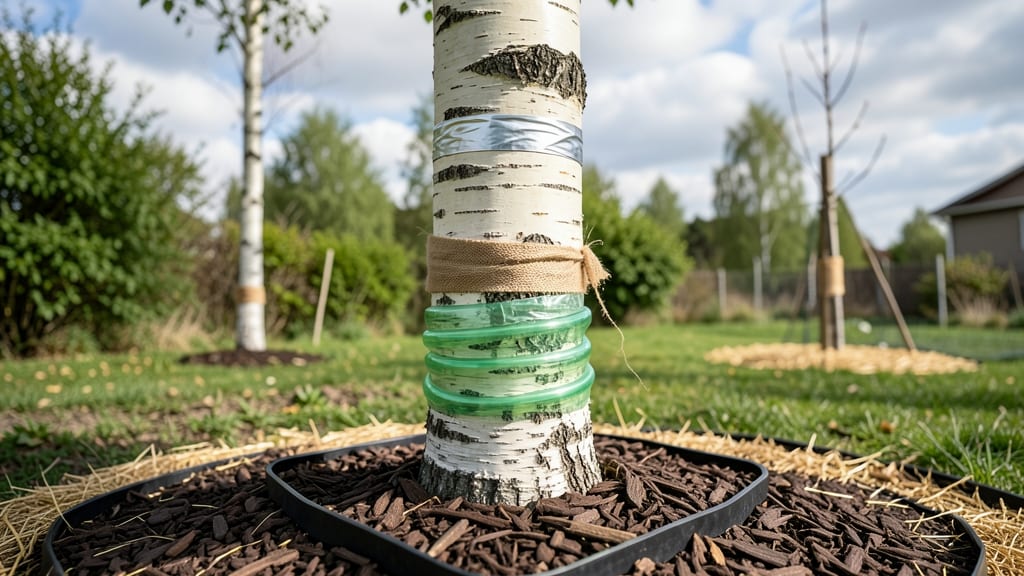
Protecting tree trunks isn’t just about battling the elements—it’s also a fight against deer, rodents, and mechanical damage. 🌳 I’ve seen firsthand how a single winter can strip bark from a young oak or turn a promising shade tree into a chew toy, but the right protection turns those threats into nothing more than a memory.
Tree wraps, mulch rings, and even simple fencing create an invisible shield that keeps bark intact and roots undisturbed.
The key is choosing the right defense for your tree’s age and local pests—my 5-year-old maple needed something different than my 30-year-old oak, and the wrong approach can actually harm more than help. A little prep now saves months of recovery later.
By the time spring rolls around, you’ll see fresh growth where others see scars. The trunk stays smooth, the roots stay healthy, and you skip the heartbreak of watching a tree decline from preventable damage. Plus, it’s easier than you think—no heavy equipment or professional help required for most cases.
Works for any yard, from suburban backyards to rural woodlots. Here’s how to pick the right armor for your trees before the next season of nibbling begins.
📚 In This Guide
- What you need
- Instructions
- Tips and common mistakes
- Wrapping up and next steps
What you need
- ● Tree guards (commercial or DIY): Plastic spiral wraps (1 per tree, adjust length to trunk height + 12 inches)
- ● Metal or heavy-duty wire mesh (18–20 gauge, 2–3 feet tall, width to fit trunk circumference)
- ● Cardboard tubes (from paper towel or toilet paper rolls, cut to size)
- ● Fasteners: Staple gun + heavy-duty staples (for mesh or plastic wraps)
- ● Zipties or plastic cable ties (for securing edges)
- ● Wire or twist ties (for metal mesh)
- ○ Protective coatings (optional but recommended): Tree paint or latex paint (non-toxic, for sealing gaps)
- ● Petroleum jelly or Vaseline (to deter chewing)
- ● Measuring & cutting tools: Tape measure (for precise sizing)
- ● Utility knife or scissors (for trimming materials)
- ● Pliers (for bending wire mesh)
- ● Clear the area around the tree trunk (remove debris, weeds, or low branches within 12 inches).
- ● Check local regulations—some areas restrict certain materials (e.g., plastic wraps).
- ● Work during dry weather to avoid soggy materials.
- ● Have a helper for larger trees or heavy materials.
Step-by-Step instructions for protecting tree trunks
Here’s how to shield your trees from hungry critters without harming the bark.
✂️ Step 1: Measure and Mark the Trunk for Protection
Wrap a tape measure around the trunk at 4 feet high—this is where most deer and rodents start gnawing. Mark the circumference with a pencil, then measure the length around the trunk. Add 4 inches to this measurement to ensure your protective wrap overlaps neatly when installed.
I always double-check my measurements before cutting materials. A snug fit prevents gaps where pests can slip through. If the trunk is irregular, measure at the widest and narrowest points and cut your protective material to the average length.
🪴 Step 2: Choose and Install Physical Barriers
For deer damage, wrap the trunk in hardware cloth (½-inch mesh) or tree guards made of plastic or metal. Secure it tightly with plastic tree ties or zip ties, spacing them 6-12 inches apart to prevent sagging. The barrier should extend 2-3 feet high—deer often browse at this height.
If rodents are the issue, use fine mesh (¼-inch or smaller) to block their access. I’ve found that burlap or cardboard wrapped tightly works temporarily, but replace it after a few months—it rots and loses effectiveness. Avoid using materials like wire mesh with sharp edges, which can damage the bark over time.
☀️ Step 3: Add a Reflective or Scent Deterrent Layer
For extra protection, cover the outer layer of your barrier with reflective tape or aluminum foil. The flickering light scares off deer and rodents. Alternatively, apply a commercial animal repellent spray designed for tree trunks, following the label instructions carefully. Reapply every 4-6 weeks or after rain.
I also like sprinkling hot pepper wax or predator urine (coyote or fox) around the base of the tree. The strong scents confuse pests and deter them from investigating further. Just be sure to reapply after rain—it washes away quickly.
🌿 Step 4: Monitor and Maintain Protection Year-Round
Check your protective barriers every 2-3 months for gaps, tears, or signs of pest activity. If you notice chewing marks on the barrier itself, reinforce it immediately. In winter, add extra height to your guards—deer and rabbits browse more aggressively when food is scarce.
Remove barriers in late winter or early spring to allow the trunk to "breathe" and prevent moisture buildup, which can lead to rot or fungal growth. I mark the installation date on my calendar so I don’t forget—skipping this step can do more harm than good.
Tips & tricks for perfect tree trunk protection
These little details make all the difference between a flimsy barrier and one that actually works.
Precision in Step 1: When measuring your tree trunk at 4 feet high, I can’t stress enough how important it is to use a flexible tape measure—not a rigid ruler. Trees aren’t perfectly round, and a rigid tool will give you inaccurate measurements. For extra accuracy, take two measurements at the widest and narrowest points and use the average length. That 4-inch overlap isn’t just decorative—it’s what keeps pests from slipping through gaps when they nibble at the edges.
Material Selection Matters: In Step 2, plastic tree guards are convenient but can trap moisture against the bark if not properly ventilated. For long-term protection, I recommend hardware cloth over plastic—it’s more durable and allows the tree to breathe. If you’re using burlap or cardboard as a temporary fix, make sure to replace it every 2-3 months before it starts to degrade. Wire mesh with sharp edges is a no-go—it can actually damage the bark while trying to protect it.
Reflective Layer Hack: For Step 3, don’t just slap on any old reflective tape. The best results come from using tape designed for outdoor use—it’s more durable and reflects light more effectively. I’ve found that cutting the reflective tape into vertical strips and overlapping them slightly gives better coverage than horizontal strips. This creates a more consistent barrier that deer and rodents can’t see through easily.
Seasonal Adjustments: In Step 4, winter is actually the most critical time for extra protection. Deer and rabbits become more desperate for food when snow covers natural sources. If you’ve installed your barriers in fall, check them again in late November and add an extra foot of height—it might mean the difference between a protected tree and a chewed stump by spring.
Pro Tips for Protecting Tree Trunks
- These little details make all the difference between a flimsy barrier and one that actually works.
- Precision in Step 1: When measuring your tree trunk at 4 feet high, I can’t stress enough how important it is to use a flexible tape measure—not a rigid ruler.
- Material Selection Matters: In Step 2, plastic tree guards are convenient but can trap moisture against the bark if not properly ventilated.
Frequently asked questions
Got questions about safeguarding your trees? Here are some of the most common concerns—and their answers—to help you take action with confidence!
What’s the best time of year to protect tree trunks from deer and rodents?
Install protective measures like tree guards or wraps before winter (late fall) or early spring. Deer and rodents seek shelter and food during these times, making your trees prime targets. For young trees, act as soon as you plant them—no waiting!
Will tree guards harm my tree if left on too long?
Most high-quality guards (like plastic or metal wraps) are safe for years if properly ventilated. Check annually for cracks or moisture buildup. If using burlap or fabric, replace it every 1–2 years to avoid mold or pests. Rule of thumb: Remove guards once the trunk reaches 4–5 inches in diameter.
Can I use household materials (like PVC pipes) as tree guards?
Yes! PVC pipes, wire mesh, or even sturdy cardboard tubes work in a pinch. Ensure they’re securely anchored (stapled or buried slightly) and have ventilation holes (1/4-inch diameter) to prevent rot. For long-term protection, though, commercial guards offer better durability and pest deterrence.
How do I keep squirrels from chewing through my tree wrap?
Squirrels are sneaky! Use metal mesh or hard plastic guards—they can’t gnaw through them. For extra defense, add a bitter apple spray (non-toxic) around the base. Avoid soft materials like burlap, which they’ll shred in minutes.
Do I need to protect trees in urban areas differently than rural ones?
Urban trees face more stress from pollution, compacted soil, and limited space—but the same protection rules apply! In cities, combine guards with mulch rings (3–4 inches deep) to retain moisture. Rural trees may need taller guards (up to 6 feet) to deter deer browsing.
What should I do if I find damage after installing a guard?
First, inspect the guard for gaps or tears. If rodents/deer bypassed it, elevate or reinforce the barrier. For minor bark damage, apply tree wound dressing (optional) and monitor for disease. Severe cases may need professional help—don’t panic, but act fast!
Wrapping up and next steps
Protecting your tree trunks is a simple yet powerful way to safeguard your greenery—and your wallet! 🌳 By using tree guards, wraps, or repellents, you can prevent costly damage from deer, rodents, and pests while keeping your trees healthy and thriving.
Whether you choose commercial products or DIY solutions, every step counts toward long-term tree health.
Ready to take action? Start by assessing your trees today and pick the method that fits your needs. Your trees will thank you! 💚