
Pruning
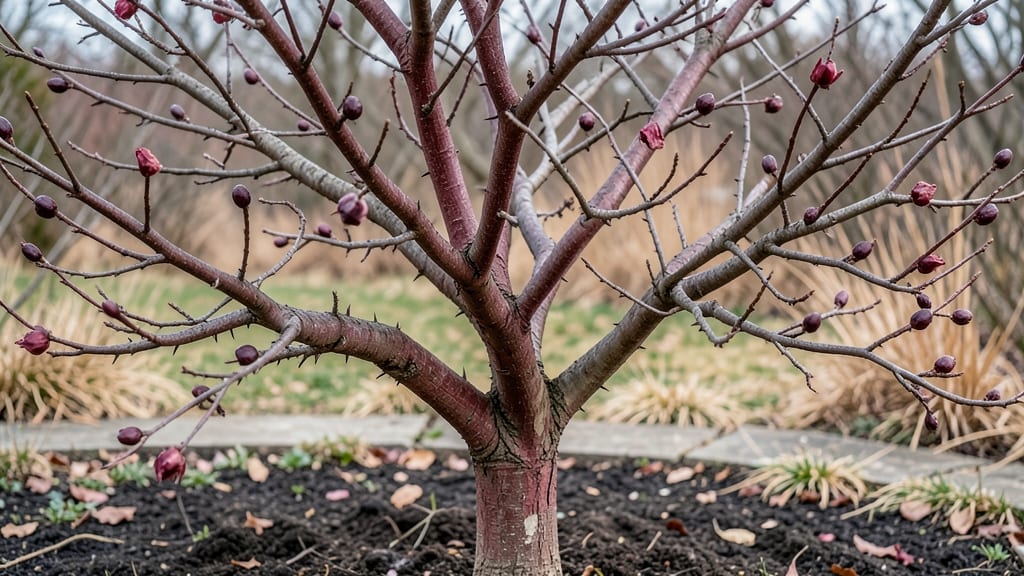
Pomegranate trees in the winter need strategic pruning to survive cold temperatures, which should happen after the first frost but before buds swell in early spring. Light trimming promotes stronger growth while avoiding heavy cuts that stress the tree.
Winter pruning is your chance to shape the tree for next year's fruit while protecting it from freezing damage. 🌿 The key is timing—pruning too early exposes fresh cuts to cold, while waiting too long risks encouraging new growth that can't survive winter.
I always check local frost dates and prune about 4-6 weeks after the first hard freeze, giving the tree time to heal before spring. This approach works especially well for cold-hardy varieties like 'Wonderful' or 'Eversweet', though tender types may need extra protection like mulch or frost cloth.
Focus on removing dead, diseased, or crossing branches first—these compete for energy and can harbor pests. Thin out crowded areas by about 20-30% to improve airflow, which reduces fungal risks. Use sharp bypass pruners and sterilize them between cuts with rubbing alcohol to prevent spreading disease.
After pruning, apply a 2-3 inch layer of mulch around the base (but not touching the trunk) to insulate roots during freezing nights.
💡 In This Article
- When and Why to Prune Pomegranate Trees in Winter
- Step-by-Step Winter Pruning Guide for Healthy Growth
When and why to prune pomegranate trees in winter
Winter pruning targets the tree's dormant phase, which occurs between late December and early March in most climates. This timing aligns with the tree's natural rest period after the first hard frost (20-25°F), when the risk of cold damage to fresh cuts is minimized.
Pruning now stimulates new growth in spring by removing competing branches that would otherwise divert energy from fruit production. The tree's cambium layer—its growth-producing tissue—is less active in winter, so cuts heal cleaner and with less sap loss.
Cold hardiness varies dramatically between pomegranate varieties. Cold-resistant types like 'Wonderful' or 'Eversweet' can tolerate temperatures down to -15°F with proper care, while tender varieties such as 'Mollar de Elche' may need protection below 25°F.
The key difference lies in their root systems: cold-hardy varieties develop deeper, more insulated roots that store energy for recovery.
Pruning too late in winter risks encouraging premature bud break, which can be fatal if a late frost hits. 🌱 I always check local frost dates and aim to finish pruning by mid-February to avoid this risk.
Pruning in winter also improves light penetration and air circulation, which are critical for preventing fungal diseases like powdery mildew. Dense canopies trap moisture, creating ideal conditions for pathogens.
By thinning branches by 20-30%, you reduce humidity levels within the tree and allow sunlight to reach the inner bark, which helps maintain healthier tissue. This is especially important for older trees where branch dieback can occur due to poor airflow.
The goal is to create an open, vase-like shape that funnels sunlight to the center while maintaining structural integrity.
For tender varieties, consider a two-step approach: first prune in late winter to shape the tree, then apply a 3-4 inch layer of mulch around the base (but not touching the trunk) to insulate roots. This extra protection can raise soil temperatures by 5-10°F during cold snaps.
In regions with extreme winters (-10°F or colder), wrap the trunk with burlap or frost cloth for additional insulation. The combination of strategic pruning and cold protection creates an environment where even tender varieties can thrive.
What most gardeners overlook is the role of pruning in regulating the tree's flowering cycle. Pomegranates produce fruit on current season's growth, so removing excess branches encourages stronger, more productive shoots. This is why I prioritize thinning vertical growth—these shoots often produce smaller, less flavorful fruit.
By redirecting the tree's energy to fewer, healthier branches, you set the stage for a bountiful harvest the following year. The science here is simple: less competition means more resources for fruit development.
Finally, consider the tree's age when planning winter pruning. Young pomegranates (3-5 years old) need minimal pruning—just removing dead wood and shaping the basic structure. Mature trees (>10 years) benefit from more aggressive thinning to rejuvenate growth.
The rule of thumb is to never remove more than one-third of the canopy in a single season, as this can shock the tree and reduce fruit production.
Balance is key: too little pruning leads to overcrowding, while too much invites disease and weakens the tree's resilience to winter stress. 🌿