
Pruning
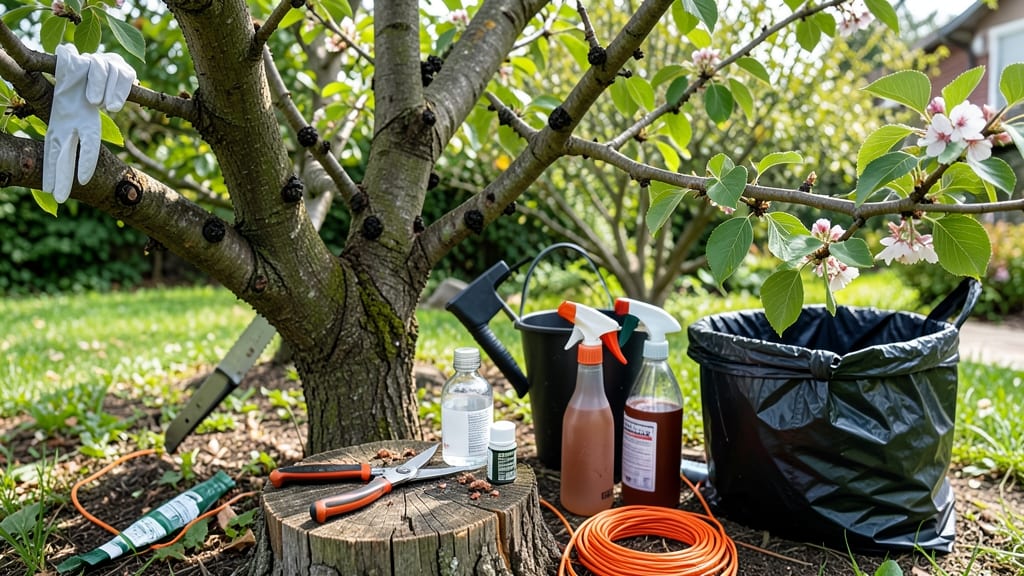
Black knot on your plum tree looks like swollen, blackened lumps that spread like a shadow across branches. 🌿 I’ve fought this fungal blight for years, and these three steps—pruning, sanitation, and treatment—can save your tree before the disease takes hold.
The key is acting fast, because once those knots spread, they’re nearly impossible to remove completely.
Start by cutting out infected branches at least 6 inches below the visible knot, sterilizing your pruners with rubbing alcohol between cuts. Burn or bag the infected wood immediately—never compost it—because fungal spores can survive in soil.
Organic options like copper fungicide or neem oil work well for small infections, but severe cases might need a stronger chemical treatment applied in early spring.
You’ll see new, healthy growth within weeks if you prune correctly and keep the tree stress-free. Water at the base (not overhead) to prevent spreading spores, and consider planting resistant varieties like ‘Stanley’ or ‘Montmorency’ if black knot keeps returning.
The goal isn’t just to treat the disease—it’s to break the cycle for good.
This method works for both young trees and mature ones, though older trees may need more aggressive pruning. The payoff? A plum tree that produces fruit year after year without the ugly, spreading knots. Let’s get your tree back to thriving.
The Hidden Triggers Behind Black Knot
Black knot disease isn’t just a random strike—it’s a fungal party crashers 🍄, and your plum tree is the guest of honor. Understanding why this stubborn fungus latches onto your tree is half the battle.
The other half? Stopping it in its tracks. Let’s break down the real culprits behind this woody menace, so you can outsmart it before it spreads.
Black knot thrives in moisture-rich environments, and Mother Nature often delivers. The fungus, Apiosporina morbosa, spreads via windborne spores, but it needs wet bark or leaves to germinate and infect. Here’s why rain and humidity are its secret weapons:
- Extended leaf wetness: If your plum tree’s foliage stays damp for more than 9 hours (like after overnight rain or fog), spores can germinate and penetrate the bark.
- High humidity (above 75%): Creates a perfect greenhouse for fungal growth. The fungus doesn’t need direct water—just enough moisture in the air to stay active.
- Spring & Fall Rainfall: These seasons are peak infection times because new growth is tender and dormant trees have fewer defenses.
Actionable Insight: If your area gets consistent rain or high humidity, prune during dry spells and avoid overhead watering. Think of it like putting out an umbrella before the storm hits.
The fungus behind black knot loves stagnant air—it’s like a vampire that thrives in the shadows. When trees are crowded, overgrown, or poorly pruned, the result is a perfect breeding ground for the disease. Here’s how it happens:
- Dense foliage: Blocks airflow, keeping humidity trapped near the bark where spores can land and take root.
- Overlapping branches: Creates shady, moist microclimates where fungal spores linger longer.
- Thick, unpruned growth: Old, dead wood (like last year’s knots) releases new spores year after year, reinfecting the tree.
Actionable Insight: Thin out branches to improve airflow—aim for at least 3–4 feet of space between trees in your orchard. If your plum tree is already infected, remove and destroy (don’t compost!) heavily knotted branches to break the cycle.
Black knot doesn’t just walk in the front door—it slithers in through cracks. Any damage to the bark (even small wounds) is an open invitation for Apiosporina morbosa to invade. Common culprits include:
- Pruning cuts: If you don’t sterilize tools or make jagged cuts, you’re leaving gateway wounds for infection.
- Hail, wind, or animal damage: Physical trauma exposes inner bark, which the fungus exploits within days.
- Sun scorch or frost cracks: Sudden temperature swings split bark, creating entry points for spores.
Actionable Insight: Always prune in dry weather with sharp, sterilized shears (soak in 1 part bleach to 9 parts water for 10 minutes). After pruning, seal cuts with pruning sealant (like Tanglefoot Tree Wound Pruning Sealer) to block fungal entry.
Healthy trees fight back—but if your plum tree is stressed, malnourished, or overloaded with age, it’s like a walking buffet for black knot. Weak trees have:
- Thinner bark: Easier for spores to penetrate and colonize.
- Weakened defenses: Drought stress, poor soil, or nutrient deficiencies make trees more susceptible.
- Accumulated old knots: Mature black knots (those dark, swollen growths) release spores for years, reinfecting the tree.
Actionable Insight: Give your tree a health boost with:
- 🌱 Balanced fertilizer (high in potassium to strengthen bark).
- 💧 Deep, infrequent watering (avoid shallow, frequent watering that keeps bark damp).
- 🪓 Annual pruning to remove old knots and dead wood before spores spread.
How to Treat Black Knot Fungus
Now that you know the causes behind black knot disease in plum trees, it’s time to take action. This fungal blight may seem daunting, but with the right approach, you can restore your tree’s health and prevent future outbreaks.
Below are practical, step-by-step solutions tailored to the root causes—plus proactive tips to keep your plum tree thriving.
Black knot thrives when left unchecked, so aggressive pruning is your first line of defense. The key is to act before the fungus spreads to other branches or neighboring trees.
🍳 Step 1: Identify and Mark Infected Areas
- Look for swollen, dark knots (resembling black tar) on branches.
- Check for cracks or oozing—these are active infection sites.
- Use sterilized pruning shears (clean with rubbing alcohol or bleach) to avoid cross-contamination.
👨🍳 Step 2: Cut Out the Knots (And Extra Wood!)
- Cut 6–12 inches below the visible knot—fungus hides deep in the bark.
- Remove smaller branches entirely if heavily infected (don’t leave stubs).
- Dispose of infected wood in sealed bags (do not compost—burn or trash it).
🔪 Step 3: Sterilize Tools Between Cuts
- Wipe blades with 10% bleach solution (1 part bleach to 9 parts water) or 70% isopropyl alcohol after each cut.
- Avoid touching healthy branches with contaminated tools.
✨ Pro Tip: Prune on a dry, calm day—wet conditions help spores spread.
If pruning alone doesn’t stop the fungus, chemical or organic fungicides can help. Timing is everything—preventative sprays work best in early spring (before buds swell) and late fall (after leaf drop).
🎯 Best Fungicide Options
| Type | Active Ingredient | How to Use |
|---|---|---|
| Copper Fungicide | Copper sulfate | Spray every 2–4 weeks during growing season; safe for organic gardens. |
| Neem Oil | Azadirachtin | Mix 1 tbsp neem oil + 1 tsp mild soap per gallon of water; spray foliage. |
| Propiconazole | (e.g., Banner Maxx) | Apply per label instructions (stronger, synthetic option). |
| Potassium Bicarbonate | (DIY spray) | Mix 1 tbsp baking soda + 1 tsp oil + 1 gallon water; spray weekly. |
💡 Pro Tip: Rotate fungicides to prevent resistance—don’t use the same product every year.
A healthy plum tree resists black knot better. Focus on soil, water, and nutrition to build natural defenses.
💪 Boost Tree Vitality
- Water deeply but infrequently—avoid soggy soil (fungus loves moisture).
- Mulch around the base (2–3 inches of wood chips) to regulate soil temp and moisture.
- Fertilize in early spring with a balanced 10-10-10 or organic compost—weak trees are easier targets.
🍎 Prune for Airflow
- Thin out dense branches to improve circulation (fungus spreads in stagnant, humid areas).
- Remove lower branches that drag in mulch or debris.
✨ Pro Tip: Plant resistant varieties like ‘Stanley’ or ‘Methley’ if black knot is rampant in your area.
To keep black knot from returning, follow this year-round plan:
- Clean up fallen leaves/debris (fungus overwinters in organic matter).
- Avoid overhead watering—use drip irrigation to keep foliage dry.
- Monitor trees weekly in spring and fall (early detection = easier fixes).
- Disinfect pruning tools after every use (even if no knots are visible).
- Plant disease-resistant varieties if possible.
By combining pruning, fungicides, and tree care, you can reverse black knot damage and protect your plum tree for years. Start with the most infected branches, then shift to prevention—your tree will thank you with sweeter fruit and stronger growth! 🍑🌳
Frequently asked questions about plum tree black knot treatment
Can I save a plum tree that’s already heavily infected with black knot?
Yes, but you’ll need to act fast and be aggressive. Remove all infected branches (cut 6-12 inches below the visible knot) and apply a copper fungicide or neem oil spray every 2-4 weeks during growing season. For severe cases, consider replacing the tree if it’s old or the disease keeps returning—some infections become too widespread to fully eradicate.
Is it safe to compost branches with black knot?
No! Never compost infected wood. The fungal spores survive and can reinfect your tree or spread to others. Instead, bag the branches in sealed plastic and throw them in the trash or burn them. This breaks the disease cycle and prevents future outbreaks.
How often should I prune to prevent black knot?
Prune once a year in late winter or early spring (before buds swell) to remove old knots and thin dense branches. If your tree is in a high-risk area (like humid climates), do a light pruning in late summer too to improve airflow. Always sterilize tools between cuts to avoid spreading spores.
Will black knot kill my plum tree?
Not immediately, but severe infections can weaken the tree over time, reducing fruit production and eventually causing decline. The fungus doesn’t kill the tree directly, but it blocks nutrients and water flow. With proper pruning and treatment, most trees recover fully. If left untreated, the disease can spread to neighboring trees.
Are there any plum tree varieties that resist black knot?
Yes! Varieties like ‘Stanley’, ‘Methley’, and ‘Montmorency’ show better resistance. If black knot is common in your area, consider replacing susceptible varieties with these tougher options. Even resistant trees need regular pruning and fungicide sprays for full protection.