
Pruning
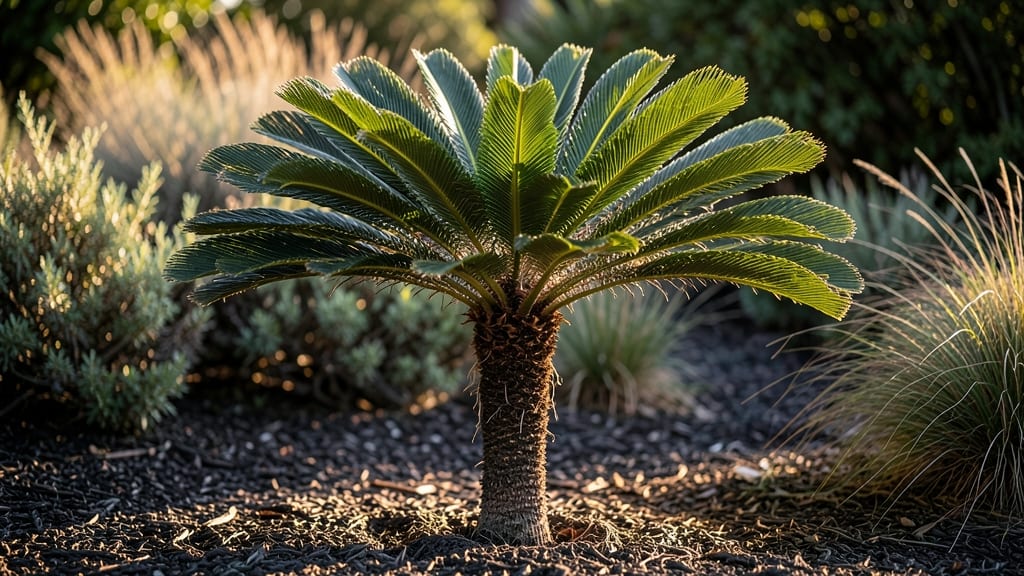
Short palm trees bring tropical charm without the space commitment. 🌿 I’ve designed small patios and balconies with these varieties for years—no more sacrificing your dream greenery for a tiny yard.
The key is choosing the right species: Chamaedorea elegans stays under 6 feet, while Rhapis excelsa tops out at 10 feet with proper pruning, both perfect for containers or tight corners.
These palms thrive in partial shade, making them ideal for patios or indoor-outdoor transitions. They need well-draining soil and occasional watering—no high-maintenance fuss.
A 15-gallon pot works for most dwarf varieties, and you can even overwinter them indoors if temperatures dip below 20°F. The windmill palm (Trachycarpus fortunei) is especially cold-hardy, surviving down to 0°F in the right conditions.
Imagine a sunlit patio framed by lush, arching fronds or a balcony bursting with tropical vibes. These palms deliver year-round interest with minimal effort. Their graceful shapes soften modern architecture, while their airy canopies create instant shade spots.
The best part? They grow slowly, so you won’t outpace your space in years.
For maximum impact, group them with other small tropicals like ferns or calatheas. Place them near seating areas where you can enjoy their rustling leaves up close. And if you’re worried about winter, a thick mulch layer or container wrap keeps roots cozy.
Your small space will feel like a resort—without the resort price tag.
📚 In This Guide
- What you need
- Instructions
- Tips and common mistakes
- Wrapping up and next steps
What you need
- ● Compact palm tree variety: Choose a dwarf or short-growth species like Chamaedorea elegans (Parlor Palm), Dypsis lutescens (Bamboo Palm, dwarf variety), or Rhapis excelsa (Lady Palm). Ensure it’s labeled as "dwarf" or "miniature" for guaranteed small stature.
- ● High-quality potting soil: 1–2 gallons of well-draining, peat-based mix (e.g., Miracle-Gro Cactus, Palm & Citrus Potting Mix). Avoid heavy garden soil!
- ● Pot or container: 1–2 sizes larger than the palm’s root ball (e.g., 10–15" diameter for dwarf palms). Ensure it has drainage holes!
- ● Pruning shears: Sharp, clean bypass pruners (e.g., Fiskars Steel Garden Pruners) for trimming fronds or dead growth.
- ● Gloves: Heavy-duty gardening gloves to protect hands from fronds and soil.
- ● Trowel or spade: For repotting or planting (6–8" wide).
- ● Watering can or hose with gentle spray: Avoid overwatering—palms hate soggy roots!
- ○ Optional: Slow-release fertilizer (e.g., Osmocote Smart-Release Palm Food) for nutrient boost.
- ● Mulch (orchid bark or coconut coir) to retain moisture.
- ● Support stake (for young palms in windy areas).
- ● Sunlight: Confirm your space gets bright, indirect light (4–6 hours/day). Most dwarf palms tolerate low light but thrive with gentle sun.
- ● Temperature: Keep in zones 9–11 (or indoors if below 50°F/10°C). Avoid drafts or cold windows!
- ● Patience: Dwarf palms grow slowly (1–2 feet per year). Celebrate their steady (and stylish!) growth!
How to select and care for compact Palm tree varieties
Small spaces deserve these stunning tropical accents—here’s how to choose and nurture them.
🌿 Step 1: Choose the Right Dwarf Palm Variety
Start with a palm that stays under 10 feet tall at maturity. The Pygmy Date Palm (Phoenix roebelenii) tops 6 feet and thrives in containers, while Dwarf Palmetto (Sabal minor) reaches 4-6 feet with silvery-blue fronds. For indoor spaces, Parlor Palm (Chamaedorea elegans) grows just 3-6 feet and tolerates low light.
Check your zone—most dwarf palms prefer USDA Zones 9-11, but some like Areca Palm (Dypsis lutescens) adapt to Zone 8 with winter protection. I always verify hardiness before buying; a palm that freezes will look sad fast.
☀️ Step 2: Position for Light and Climate Needs
Place your palm where it gets bright, indirect light—think east or west-facing windows for indoor plants. Direct sun can scorch fronds, while too little light causes leggy growth. Outdoors, partial shade works best in hot climates; morning sun only suits cooler zones.
Watch for yellowing leaves—this signals too much sun or overwatering. If fronds brown at the tips, your air is too dry (common indoors). Grouping plants together raises humidity naturally, or use a pebble tray under the pot.
💧 Step 3: Water Deeply but Infrequently
Water when the top 2-3 inches of soil feel dry—stick your finger in to check. Overwatering kills roots faster than drought; these palms store water in their trunks, so they’re drought-tolerant once established. In summer, I water every 7-10 days; in winter, every 3-4 weeks.
Use room-temperature water to avoid shocking roots. Empty saucers after 10 minutes to prevent root rot. If the soil smells sour or the pot feels heavy, you’re overdoing it—let it dry out more next time.
✂️ Step 4: Prune and Fertilize for Health
Remove yellow or brown fronds at the base with clean pruners—never pull them out. This keeps the plant looking tidy and prevents pests from hiding in dead leaves. Feed monthly in spring/summer with a balanced liquid fertilizer (10-10-10) diluted to half strength.
I skip fertilizer in fall/winter—palms grow slowly then and don’t need extra nutrients. If new fronds emerge smaller than usual, it’s a sign to cut back on food until spring. A little yellowing on older fronds is normal; focus on keeping the newest leaves vibrant.
🪴 Step 5: Repot or Refresh Soil Annually
Repot every 2-3 years in spring when roots circle the pot. Choose a container 2-3 inches wider than the current one—bigger isn’t always better. Use well-draining potting mix (cactus/succulent mix works well) and add a handful of perlite to prevent compaction.
If repotting isn’t an option, top-dress with 1-2 inches of fresh mix each year. This refreshes nutrients without disturbing roots. After repotting, water lightly for a week to help roots adjust before resuming normal care.
Tips & tricks for perfect compact Palm trees
These simple strategies will help your small-space palm thrive for years to come.
Variety Selection: When choosing between Pygmy Date Palm and Parlor Palm, consider your light conditions first. The Parlor Palm tolerates lower light better, making it ideal for north-facing rooms or offices with fluorescent lighting. I've seen Pygmy Date Palms struggle in dim spaces—their fronds turn sparse and leggy when deprived of bright, indirect light.
Light Troubleshooting: If your palm's fronds start yellowing between the veins, it's getting too much direct sun. Move it back 2-3 feet from the window immediately. For indoor palms, east-facing windows provide the perfect balance of light without risking scorching. A simple trick: if you can see your handprint on a frond after a few hours of light, it's getting too much sun.
Watering Wisdom: The 7-10 day summer watering schedule can feel tricky—especially when you're on vacation. I always use a moisture meter to double-check before watering. For indoor palms, place a small pebble tray filled with water near the plant to increase humidity, which mimics their tropical habitat and prevents brown tips.
Fertilizer Timing: Those monthly spring/summer feedings make all the difference, but timing matters. Always fertilize after watering to prevent root burn. I mix my diluted 10-10-10 fertilizer with water in a spray bottle and apply it directly to the soil, avoiding the fronds. This targeted approach ensures nutrients reach the roots where they're needed most.
Pro Tips for Palm Tree Short
- These simple strategies will help your small-space palm thrive for years to come.
- Variety Selection: When choosing between Pygmy Date Palm and Parlor Palm, consider your light conditions first.
- Light Troubleshooting: If your palm's fronds start yellowing between the veins, it's getting too much direct sun.
Frequently asked questions
Got questions about growing palm tree short varieties in tight spaces? You’re not alone! Here are some of the most common queries—plus quick answers to help you thrive.
What are the best short palm tree varieties for small yards or containers?
Top picks include the Pyramid Palm (Trithrinax campestris), Pygmy Date Palm (Phoenix roebelenii), and Dwarf Palmetto (Sabal minor). These stay under 10–15 feet tall, making them perfect for patios, balconies, or even large pots. Always check mature height specs before buying!
How long does it take for a short palm tree to reach its mature height?
Growth speed varies by species, but most short palms mature in 5–10 years. For example, the Pygmy Date Palm grows about 6–12 inches per year, while the Dwarf Palmetto is slower at 3–6 inches annually. Patience pays off—slow growth means fewer pruning headaches!
Can I grow a short palm tree in a pot, and what size container do I need?
Start with a 15–20 gallon container for young palms, upgrading to 25+ gallons as they grow. Ensure drainage holes are present, and use a well-draining cactus/succulent mix. For outdoor pots, move them indoors or to a sheltered spot in winter if temps drop below 40°F (4°C).
How do I prune a short palm tree to keep it compact?
Prune only dead or brown fronds—never cut healthy ones! Use clean, sharp pruners or a palm saw to remove fronds at the base. For overly leggy stems, trim just above a leaf node (where new growth emerges). Avoid heavy pruning; short palms thrive on minimal trimming. Safety first! Wear gloves and eye protection.
Are short palm trees cold-hardy, and how do I protect them in winter?
Most short palms tolerate 20–30°F (-6 to -1°C), but younger plants or tropical species (like Pygmy Date Palm) need protection below 40°F (4°C). Wrap the pot in burlap, move it to a garage, or cover it with a frost cloth. For in-ground palms, mulch the base heavily and water deeply before freezing temps hit.
What if my short palm tree isn’t growing? Troubleshooting tips?
Check these first:
- Light: Short palms need full sun (6+ hours/day). Yellowing fronds? It’s likely underlit.
- Water: Overwatering causes root rot. Let soil dry 2–3 inches deep between waterings.
- Soil: Compacted or poor-draining soil stunts growth. Amend with perlite or sand for better aeration.
- Fertilizer: Feed with a balanced palm fertilizer (8-2-12) in spring/summer.
Wrapping up and next steps
Choosing a palm tree short variety is a fantastic way to bring tropical charm to small spaces without sacrificing style! These compact beauties thrive in tight spots, offer low-maintenance care, and add instant curb appeal—whether you’re a green thumb or just starting your gardening journey. 🌿✨
Ready to transform your space? Start by selecting the perfect variety for your climate and soil, then gather your tools and follow the pruning tips shared. With a little patience and love, your mini palm paradise will flourish in no time! Happy planting! 🌱