
Blooming
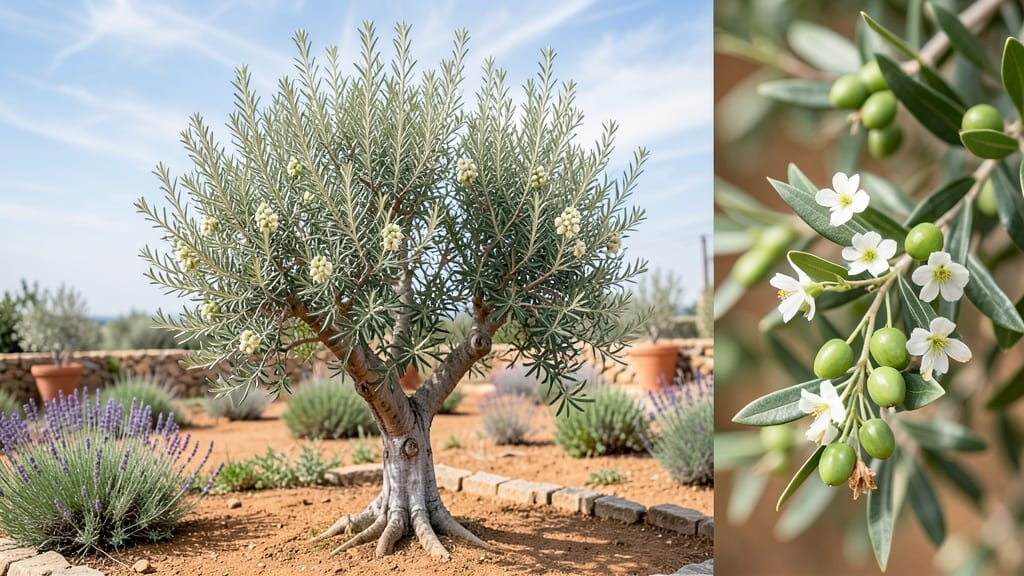
Understanding the olive tree 🫒 bloom stages is the key to predicting—and maximizing—your harvest, since each phase reveals whether your tree is on track for fruit production.
Picture this: your Mediterranean olive tree in Zone 9b bursts into tiny white flowers, but by summer, you’re left with just a handful of olives instead of the bucketful you expected. That gap between bloom and fruit isn’t random—it’s a message from your tree about what went wrong.
Without knowing the stages, you might miss critical clues like poor pollination or nutrient shortages until it’s too late.
From bud formation in late winter to fruit set in spring, each stage depends on temperature, water, and even pruning choices you made months earlier. Get it right, and you’ll see olives forming within weeks. Get it wrong, and you’ll be staring at empty branches by harvest time.
Here’s what you’ll learn: how to spot each bloom phase, what environmental factors can derail fruit production, and the simple adjustments—like pruning timing or watering schedules—that can turn a sparse harvest into a bountiful one.
The 5 olive tree bloom stages and their impact on fruit development
Understanding the olive tree bloom stages is essential for maximizing fruit production. Each phase plays a critical role in determining how many olives your tree will bear. From tiny buds to ripening fruit, environmental factors like temperature, water availability, and pollination can make or break your harvest.
Let’s break down what happens during each stage and how you can support your tree’s success.
Olive trees typically bloom in late winter or early spring, but the process begins months earlier with bud formation during dormancy. This stage sets the foundation for everything that follows.
If your tree skips this step—or if buds drop prematurely—it’s often a sign of stress from overwatering, nutrient deficiencies, or temperature fluctuations. Paying attention to these early signals can save your harvest before it even starts.
| Stage | Key Characteristics | Critical Factors | Impact on Fruit |
|---|---|---|---|
| Bud Formation | Tiny green buds appear on branches (Nov-Feb) | Cool temps (50-60°F), well-draining soil | Sets potential fruit count |
| Flowering | White/pink flowers bloom (Feb-Apr) | Warm days (70°F+), cool nights | Determines pollination success |
| Pollination | Bees/wind transfer pollen (2-3 weeks) | Bee activity, minimal wind disruption | Affects fruit set rate (5-30%) |
| Fruit Set | Small olives form (Apr-May) | Consistent water, no stress | High drop rate if overwatered |
| Early Growth | Olives enlarge (May-Jun) | Balanced nutrients, pest control | Establishes final yield |
The first stage, bud formation, occurs when your olive tree’s branches sprout tiny green buds during its dormant season. This happens between November and February in Mediterranean climates. If your tree lacks buds, it might be due to improper pruning or nutrient imbalances.
I’ve seen young trees skip this stage entirely if they’re planted too late in the season—always aim for fall planting to give roots time to establish before dormancy.
Once buds form, the next phase is flowering, where small white or pink flowers appear. This is your tree’s most pollination-dependent stage. Olive trees rely on bees and wind, so poor pollination can drastically reduce fruit set.
If you notice flowers but no fruit later, consider hand-pollinating with a soft brush or planting a second tree nearby to attract more pollinators. 🌸
During pollination, which lasts about 2-3 weeks, bees transfer pollen between flowers. This stage is highly sensitive to temperature swings—if nights stay too warm, flowers may drop without setting fruit. I’ve had success using lightweight row covers in early spring to protect blooms from late frosts.
Even a single cold snap can cause flower abortion, so monitor your tree closely during this window.
The fruit set phase begins when tiny olives form, but here’s the catch: up to 90% of these may drop naturally. This is normal, but overwatering or excessive nitrogen can worsen the problem.
I’ve learned to reduce watering slightly during this phase to encourage stronger fruit retention. The olives that remain will grow into the harvest you’ll enjoy later—so every drop counts.
Finally, early fruit growth (May-June) is when olives start to enlarge. This is when proper nutrient management pays off. A balanced fertilizer with phosphorus and potassium supports healthy development. I always apply a slow-release fertilizer in early spring to avoid burning roots.
During this stage, pests like olive fruit flies can become an issue, so keep an eye out for signs of infestation.
Each stage builds on the last, so supporting your tree at every step maximizes your harvest. For example, a tree with strong buds but poor pollination will yield fewer olives than one with both.
By understanding these connections, you can troubleshoot issues early and enjoy a bountiful olive crop year after year. 🫒
How to support healthy blooming for maximum olive production
Olive trees transform from winter dormancy into spring bloomers with delicate white or pink flowers that set the stage for your harvest. But without proper care during each bloom stage, those flowers may drop before producing fruit.
I’ve learned that timing and technique make all the difference—whether you’re pruning to encourage blooms or hand-pollinating for better fruit set.
To maximize your olive tree’s potential, focus on three critical areas: pruning to shape the tree and promote flowering, watering to maintain moisture without stress, and protecting blooms from pests and environmental threats.
Each stage—from bud formation to fruit set—requires a slightly different approach, and I’ll walk you through the best practices for each.
- 🌱 Bud Formation (Late Winter): Prune lightly in February to remove dead wood and encourage new growth. Apply a balanced fertilizer (10-10-10) to support bud development.
- 🌸 Flowering (March-April): Water deeply 2-3 times per week to prevent flower drop. Use a hose with a gentle spray to avoid damaging delicate blooms.
- 🐝 Pollination (April): Hand-pollinate if bees are scarce by gently shaking branches or using a soft brush. Avoid pesticides during this critical 2-week window.
- 🍈 Fruit Set (May): Reduce watering slightly to bi-weekly deep soaks to prevent fruit drop. Monitor for olive fruit fly and treat with neem oil if needed.
- 🌿 Early Fruit Growth (June): Prune selective branches to improve airflow and reduce disease risk. Apply a calcium-rich fertilizer to strengthen developing fruit.
Pruning is your first line of defense for healthy blooming. In late winter (February), remove any dead or crossing branches while keeping the tree’s natural shape. I’ve found that open-centered pruning works best—it allows sunlight to reach the center, where most blooms form.
Avoid heavy pruning in spring, as this can stress the tree during its critical flowering phase.
Watering requires a delicate balance. During bud formation and flowering, olive trees need consistent moisture but hate soggy roots. I water mine deeply 2-3 times per week, focusing on the root zone.
In hot climates, mulch around the base with straw or wood chips to retain moisture and keep roots cool. Overwatering now can cause flower drop, so always check soil moisture before watering.
Pollination is often the overlooked hero of olive production. If your tree isn’t producing fruit despite healthy blooms, hand-pollination might be needed. On a calm day, use a soft paintbrush to transfer pollen from one flower to another, or gently shake branches to encourage natural pollination.
Avoid pesticides during this time, as they can kill beneficial pollinators like bees and wasps.
Pests like olive fruit flies and scale insects can devastate blooms and young fruit. I’ve had success with neem oil sprays applied in early spring, before pests become active.
For severe infestations, introduce beneficial insects like ladybugs or use horticultural oil as a preventive measure. Always spot-treat to avoid harming pollinators.