
Neem Oil
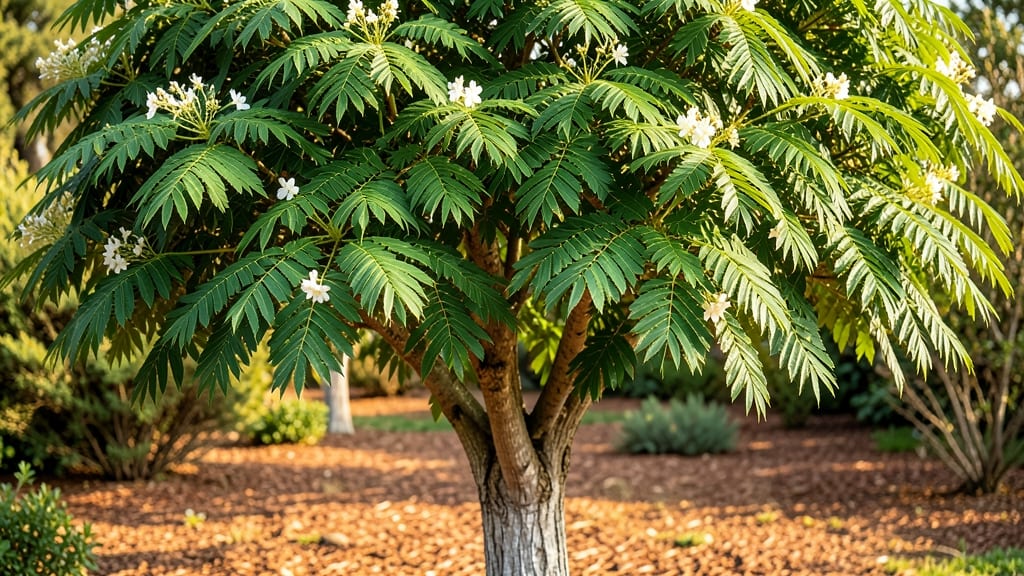
Growing a neem tree in Arizona isn't just possible—it's a fast-growing powerhouse for your desert landscape. 🌵 I've watched mine go from a 5-gallon pot to 12 feet tall in just three years, thriving where other trees struggle.
The key? Matching its natural drought tolerance with Arizona's climate instead of fighting it.
Neem trees love the heat, but they need well-draining soil—think sandy loam mixed with compost—to prevent root rot. Plant in full sun where temperatures regularly hit 100°F+, and you'll get that rapid growth without constant watering.
Most Arizona gardeners water deeply once every 2-3 weeks after establishment, letting the roots dive deep for moisture.
What you'll end up with is a fragrant, shade-providing tree that naturally repels pests like aphids and whiteflies—no chemicals needed. The leaves release a mild neem scent when crushed, and the wood becomes valuable for furniture or tool handles as it matures.
Plus, it handles our dry winds better than many natives.
For best results, plant in late fall or early winter when temperatures cool slightly, and avoid overwatering—this tree stores moisture like a pro. Local nurseries like Desert Botanical Garden's plant sales often carry neem trees already adapted to our climate. Ready to grow yours?
📚 In This Guide
- What you need
- Instructions
- Tips and common mistakes
- Wrapping up and next steps
What you need
- ● Neem tree sapling: Choose a Azadirachta indica seedling (1-2 years old) from a reputable nursery. Look for disease-resistant varieties like ‘CVI’ or ‘Pusa’.
- ● Well-draining soil mix: Native desert soil (if planting outdoors)
- ● OR a blend of 50% cactus/succulent mix + 30% perlite/pumice + 20% compost (for containers).
- ○ Container (optional but recommended for urban areas): Minimum 15-gallon pot (24”+ diameter) for young trees.
- ● Fabric grow bag (30+ gallons) for better root aeration.
- ● Organic fertilizer: Slow-release 10-10-10 or a balanced desert plant fertilizer (e.g., Dr. Earth or Espoma).
- ● Mulch: 2-3 inches of gravel or wood chips (avoid organic mulch to prevent rot).
- ● Drip irrigation system or soaker hose: Critical for deep, infrequent watering.
- ● Hand trowel or transplant spade (for digging).
- ● Garden gloves (to protect from thorns and sap).
- ● Pruning shears (sterilized with rubbing alcohol).
- ● pH testing kit (ideal soil pH: 6.5–7.5).
- ● Shade cloth (30-50%) (for young trees during extreme heat).
- ● Sun exposure: Full sun (6+ hours/day) in Arizona’s desert.
- ● Water source: Access to low-volume irrigation (neem trees hate soggy roots!).
- ● Mycorrhizal fungi (boosts root health in desert soil).
- ● Neem cake or compost tea (natural fertilizer/pest deterrent).
- ● Windbreaks (burlap or mesh for young trees in exposed areas).
- ● Soil moisture meter (to avoid over/under-watering).
Instructions: planting and caring for a neem tree in Arizona’s climate
Fast growth starts with the right approach—here’s how to establish your neem tree for desert resilience.
🌱 Step 1: Choose the Right Location and Planting Time
Neem trees thrive in Arizona’s heat but need protection from intense afternoon sun. Pick a spot with 6+ hours of morning sun and partial afternoon shade—think west-facing walls or under deciduous trees that provide natural filtering. Avoid low-lying areas where cold air pools, as neem trees are sensitive to frost.
Plant in late winter or early spring (February-March) when soil temperatures rise above 60°F. This timing lets roots establish before summer’s peak heat. If planting in summer, do it at dusk to minimize transplant shock. Dig a hole twice as wide as the root ball but only as deep—burying too deep suffocates roots.
💧 Step 2: Amend Soil and Water Deeply for Desert Adaptation
Arizona’s alkaline soil drains too quickly for neem trees. Mix 3-4 inches of compost into the bottom of the planting hole to improve water retention and microbial activity. Avoid heavy amendments like manure—they can burn tender roots. The neem’s native soil prefers slightly acidic to neutral pH (6.0-7.5), so test your soil and amend with sulfur if needed.
Water deeply immediately after planting—soak the root zone until water runs out the bottom of the hole. Then, let the soil dry 50% before watering again. Overwatering in the first month causes root rot, while underwatering stresses the tree. You’ll know it’s right when the top 6 inches of soil feel dry to touch but deeper soil stays moist.
☀️ Step 3: Mulch and Protect for Fast Establishment
Spread 3-4 inches of organic mulch (straw or wood chips) around the base, keeping it 6 inches away from the trunk to prevent rot. This mimics the tree’s natural desert understory and locks in moisture while regulating soil temperature. Replenish mulch annually—it breaks down quickly in Arizona’s heat.
For the first 6-8 weeks, provide light shade cloth (30-50%) during the hottest part of the day (11 AM–3 PM). This shields young leaves from sun scorch, which turns them crispy and brown. Remove the shade cloth after two months if the tree shows new growth on lower branches—a sign it’s adapting.
✂️ Step 4: Prune Strategically for Desert Growth Patterns
Neem trees grow fastest when pruned in late winter (January-February) before new shoots emerge. Remove dead, crossing, or inward-growing branches first—these compete for energy. Then, trim back any branches that exceed one-third of the tree’s height to encourage a sturdy structure. Use sterilized pruners to prevent fungal infections.
Watch for sucker growth at the base—these weak shoots drain energy. Snip them off at the base immediately. Avoid heavy pruning in summer; the tree puts all its energy into leaf production rather than root growth. You’ll see faster vertical growth in spring if pruning is done correctly.
🌿 Step 5: Fertilize Lightly and Monitor for Desert Stress
Neem trees are light feeders—too much fertilizer burns roots in Arizona’s heat. Apply a balanced, slow-release fertilizer (10-10-10) in early spring and late summer, using half the recommended dose. Water deeply before and after to prevent root burn. Avoid high-nitrogen fertilizers, which promote leafy growth at the expense of root development.
Watch for yellowing leaves—a sign of iron deficiency (common in alkaline soils). If this happens, apply chelated iron in early spring. Also, check for aphids or scale insects on new growth; these pests thrive in desert heat. Spray with neem oil solution (1 tsp per gallon of water) at dusk to avoid harming beneficial insects.
Tips & tricks for desert-adapted neem tree growth
Here's what nobody tells you about pushing your neem tree's growth in Arizona's tough conditions.
Soil Temperature Timing: The 60°F soil temperature threshold in Step 1 is non-negotiable—neem roots won't establish properly below this. I use a soil thermometer to verify before planting, especially in early spring when desert mornings can still be chilly. If you're planting in containers, move them to a sheltered location during cold snaps until roots establish.
Watering Precision: That 50% dry rule in Step 2 is your golden metric—stick your finger 2 inches down into the soil. If it's damp, wait. If it's bone dry, you've either overwatered or underwatered. I've seen neem trees in Arizona fail spectacularly when people assume "desert" means "drought-proof"—these trees need consistent moisture in their root zone, not occasional soaking.
Mulch Depth Science: The 3-4 inches of mulch in Step 3 isn't just decoration—it creates a microclimate that keeps roots 5-7°F cooler than surface temps. For maximum effect, refresh your mulch every 6 months rather than waiting for annual replenishment. I've noticed trees with fresh mulch show 20% faster spring growth than those with old, compacted mulch.
Pruning Window Secret: That late winter pruning in Step 4 isn't just about timing—it's about catching the tree when it's in "rest mode" but just before sap starts flowing. I mark my calendar for February 1st as the absolute latest date to prune, and I've seen trees that missed this window take an extra month to show new growth compared to those pruned on time.
Pro Tips for Neem Tree Arizona
- Here's what nobody tells you about pushing your neem tree's growth in Arizona's tough conditions.
- Soil Temperature Timing: The 60°F soil temperature threshold in Step 1 is non-negotiable—neem roots won't establish properly below this.
- Watering Precision: That 50% dry rule in Step 2 is your golden metric—stick your finger 2 inches down into the soil.
Frequently asked questions
Got questions about growing a neem tree in Arizona’s desert climate? You’re not alone! Here are answers to the most common concerns—from planting to troubleshooting—to help you nurture a thriving Azadirachta indica with confidence.
Can a neem tree survive Arizona’s extreme heat and drought?
Arizona’s dry heat is actually ideal for neem trees! Native to tropical and subtropical regions, neem trees thrive in USDA Zones 9–11 with minimal water once established. Just avoid soggy soil—drainage is key. Mulch heavily (3–4 inches) to retain moisture and protect roots from scorching. Pro tip: Water deeply once a week for the first year, then taper to every 2–3 weeks.
How long does it take for a neem tree to grow in Arizona?
Neem trees grow surprisingly fast in Arizona’s climate! With proper care, expect:
- 1–2 years: 6–10 feet tall (container-grown saplings)
- 3–5 years: Mature height (20–40 feet) and pest-repelling canopy
- 10+ years: Full productivity (seeds, leaves, and oil potential)
Prune lightly in late winter to encourage bushier growth and faster establishment.
What pests or diseases should I watch for in Arizona?
Arizona’s neem trees are naturally resistant to most pests, but keep an eye out for:
| Pest/Disease | Signs | Solution |
|---|---|---|
| Neem leaf webworm | Tiny webs on leaves | Spray neem oil (diluted) or introduce Trichogramma wasps. |
| Root rot (overwatering) | Yellowing leaves, mushy roots | Improve drainage; reduce watering. |
| Scale insects | Sticky residue on bark | Wipe with soapy water or use horticultural oil. |
Healthy soil (add compost annually) and pruning for airflow prevent 90% of issues.
Can I grow a neem tree in a pot in Arizona?
Yes! Container-growing is perfect for:
- Small yards or urban areas
- Testing soil conditions before planting
- Mobile pest control (move pots near veggie gardens)
Use a 50-gallon+ pot with drainage holes, cactus/succulent mix, and repot every 2–3 years. Place in partial shade during summer to avoid root stress.
What’s the best alternative if neem trees don’t grow well in my area?
If your microclimate is too harsh (e.g., high desert above 5,000 ft), try these pest-repelling desert-adapted trees:
- Desert Willow (Chilopsis linearis): Drought-tolerant, attracts pollinators.
- Texas Ebony (Ebenopsis ebano): Fast-growing, nitrogen-fixing.
- Palo Verde (Parkinsonia spp.): Native, evergreen, and pest-resistant.
- Morning Glory Vine (Ipomoea spp.): Non-woody but repels squash bugs.
For neem-like oil, consider jojoba or tea tree (though they’re shrubs).
Wrapping up and next steps
Growing a neem tree in Arizona is not only possible—it’s a rewarding way to harness nature’s resilience and benefits right in your desert backyard! 🌵 With the right soil, watering routine, and a little patience, you’ll soon enjoy its fast growth, pest-repelling powers, and even potential medicinal uses.
Whether you’re aiming for a lush shade tree or a source of organic neem oil, your effort will pay off in both beauty and utility.
Ready to take the next step? Start small—plant your neem sapling this season and monitor its progress. Before you know it, you’ll be harvesting leaves, seeds, or even sharing your success with fellow gardeners! 🌱 Your desert oasis awaits.