
Pruning
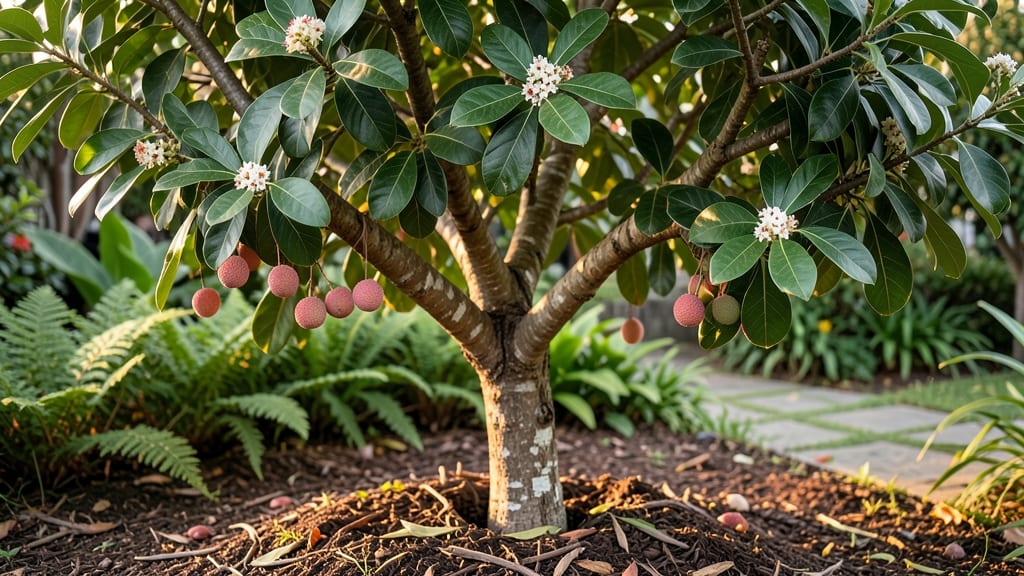
The height of a lychee tree can vary dramatically from a compact 6 feet to a towering 50 feet, depending entirely on the variety you choose—and that choice will dictate how much space you’ll need in your garden. 🌿 I’ve watched my backyard lychee start as a small sapling and now stretch toward the power lines, forcing me to prune aggressively just to keep it from shading the house.
The right choice means the difference between a backyard centerpiece and a nuisance that outgrows its welcome.
Most home gardeners opt for dwarf varieties like ‘Tai So’ or ‘Wai Chee,’ which max out around 12–15 feet with proper pruning. Standard varieties, though, can shoot up 20–30 feet in ideal conditions—think tropical climates with plenty of warmth and humidity.
If you’re in a cooler zone, even a mature tree might stay shorter, but growth rates slow dramatically below 70°F. That’s why I always check local climate zones before planting.
Pruning isn’t just about keeping the tree manageable—it’s about fruit production. Heavy pruning in late winter encourages bushier growth and more branches for fruit, while letting it grow wild means fewer harvests and a lot more cleanup.
I prune mine back by one-third each year, shaping it like a vase to let light reach the center. The result? A tree that stays under 10 feet while still producing hundreds of lychees per season.
For container growing, dwarf varieties are a must—5-gallon pots work for young trees, but they’ll need upgrading to 15+ gallons as they mature. If you’re planting in the ground, give standard varieties 20–30 feet of clearance from structures, and 15 feet for dwarfs.
Height isn’t just about space; it’s about sunlight, airflow, and whether you’ll actually be able to pick those sweet, fragrant fruits without a ladder.
📚 In This Guide
- What you need
- Instructions
- Tips and common mistakes
- Wrapping up and next steps
What you need
- ● Lychee saplings or seeds: Dwarf varieties (e.g., Tai So, Brewster): 1–3 plants (mature height: 10–15 ft)
- ● Standard varieties (e.g., Kwai Mi, Salathiel): 1 plant (mature height: 30–50 ft)
- ● Seeds (if propagating): 5–10 seeds (germination rate ~50%)
- ● Well-draining soil mix: 50% potting soil (acidic, pH 5.0–6.5)
- ● 30% perlite or coarse sand (for aeration)
- ● 20% compost or worm castings (for nutrients)
- ● Containers or planting area: Dwarf trees: 15–20 gallon pots (with drainage holes)
- ● Standard trees: In-ground planting in tropical/subtropical climates (USDA Zones 10–11)
- ● Pruning tools: Bypass pruners (for clean cuts on small branches)
- ● Loppers (for thicker branches, up to 1.5 inches)
- ● Hand saw (for mature wood, if needed)
- ○ Support structures (optional for dwarf trees): Stakes or small trellis (for young saplings)
- ● Tie-downs (soft plant ties or Velcro straps)
- ● Soil testing kit: To verify pH and nutrient levels (lychees hate alkaline soil!).
- ● Slow-release fertilizer: Acid-loving plant formula (e.g., 8-3-9 or citrus blend).
- ● Mulch: Pine bark or coconut coir (keeps roots cool and retains moisture).
- ● Growth regulator (for dwarfing): Paclobutrazol (follow label instructions—use sparingly).
- ● Sunlight meter or grow lights: Lychees need 6+ hours of direct sun daily—track light exposure!
Understanding lychee tree height: how varieties shape your garden
Lychee trees aren't one-size-fits-all—some stay compact enough for pots, while others stretch toward the sky. Here's how to match variety to space and care.
🌱 Step 1: Identify Your Space Constraints
First, measure your growing area from floor to ceiling and consider mature spread. Standard lychees like Tai So or Brewster reach 30-50 feet tall and need 20+ feet of clearance—think backyard giants, not patio plants. Dwarf varieties like Wai Chee or Kwai May Pink max out at 10-15 feet, making them ideal for urban yards or large containers.
I always sketch my space to scale before choosing. A 15-foot ceiling means you're limited to dwarf types—any taller, and branches will scrape rooftops or power lines. Note wind exposure too: taller varieties need staking or pruning to prevent storm damage.
☀️ Step 2: Match Variety to Climate and Light
Height isn't just about space—it ties directly to your USDA hardiness zone. Tropical lychees (Zones 10-12) grow fastest and tallest in warm climates, while cold-hardy selections like Mauritius (to Zone 9) stay shorter but still reach 20 feet. If you're in Zones 8-9, focus on semi-dwarf types that handle cooler nights without stunting.
Light requirements don't change with height, but taller trees need full sun (6+ hours daily) to support their canopy. I've seen leggy growth in shade—even dwarf varieties stretch when light is insufficient. Position your tree where it gets morning sun and afternoon shade if temperatures exceed 90°F.
✂️ Step 3: Plan for Pruning to Control Height
Pruning isn't just for shaping—it's how you manage height over time. For standard varieties, I recommend structural pruning in late winter to remove water sprouts (vigorous vertical shoots) and suckers (shoots from the base). This keeps the tree's natural shape while limiting vertical growth by 30-50% over a decade.
Dwarf varieties need less aggressive pruning—focus on air layering (encouraging lateral branches) and tip pinching young shoots to promote bushiness. I pinch back new growth by 1/3 when it reaches 6-8 inches to trigger branching. This keeps the tree at half its potential height while maximizing fruit production.
🪴 Step 4: Container Growing for Compact Varieties
If you're growing dwarf lychees in pots, container size matters more than variety. Use a 24-inch diameter pot for Wai Chee to prevent root binding, which stunts growth and reduces fruit yield. I always add 4-6 inches of drainage material (gravel or broken pottery) at the bottom to prevent waterlogged roots—a common issue in tropical plants.
Rotate containers quarter-turn weekly to ensure even light exposure, which prevents lopsided growth. Even dwarf varieties will outgrow their pots in 3-5 years, so plan to upgrade to 36-inch pots or transplant to ground by year 5. Watch for yellowing leaves—a sign roots are circling and need more space.
⏰ Step 5: Adjust Care for Mature Height Goals
Fertilizing strategy shifts as your tree grows. Young trees (under 5 feet) need balanced 10-10-10 fertilizer every 6 weeks to encourage height. Once established, switch to low-nitrogen, high-potassium (5-10-15) to promote fruiting over vertical growth. I apply fertilizer only after heavy watering to prevent root burn.
Watering depth changes too: dwarf trees need 1-2 gallons weekly, while mature standards require 10+ gallons during dry spells. Test soil moisture by sticking your finger 6 inches deep—if it's dry, water deeply. Overhead watering on leaves encourages fungal diseases, especially in humid climates.
Tips & tricks for perfect lychee tree height management
Choosing the right lychee variety isn't just about fruit—it's about creating a tree that thrives in your exact space and climate. Here's how to get it right from the start.
Variety Selection: When comparing standard varieties like Tai So (30-50 feet) with dwarf types such as Wai Chee (10-15 feet), consider your ceiling height and neighborhood regulations. I always measure from floor to ceiling and subtract 2 feet for clearance—this tells me exactly which varieties will fit without becoming a nuisance. For urban spaces, dwarf varieties offer the perfect balance of fruit production and manageable size.
Pruning Strategy: The key to controlling height lies in your pruning approach. For standard varieties, I recommend structural pruning in late winter to remove water sprouts and suckers, which can limit vertical growth by 30-50% over a decade. For dwarf varieties, focus on air layering and tip pinching young shoots when they reach 6-8 inches—this promotes bushiness while keeping the tree at half its potential height. Remember, pruning isn't just about height control; it's about shaping your tree for optimal fruit production.
Container Considerations: If you're growing dwarf varieties in pots, container size matters more than the variety itself. A 24-inch diameter pot for Wai Chee prevents root binding, which can stunt growth and reduce fruit yield. I always add 4-6 inches of drainage material at the bottom to prevent waterlogged roots—a critical detail for tropical plants. Don't forget to rotate containers quarter-turn weekly to ensure even light exposure and prevent lopsided growth.
Climate Adaptation: Height isn't just about space—it's directly tied to your USDA hardiness zone. Tropical lychees (Zones 10-12) grow fastest and tallest in warm climates, while cold-hardy selections like Mauritius (Zone 9) stay shorter. If you're in Zones 8-9, focus on semi-dwarf types that handle cooler nights without stunting. Position your tree where it gets morning sun and afternoon shade if temperatures exceed 90°F—this helps maintain a balanced growth pattern.
Pro Tips for Lychee Tree Height
- Choosing the right lychee variety isn't just about fruit—it's about creating a tree that thrives in your exact space and climate.
- Variety Selection: When comparing standard varieties like Tai So (30-50 feet) with dwarf types such as Wai Chee (10-15 feet), consider your ceiling height and neighborhood regulations.
- Pruning Strategy: The key to controlling height lies in your pruning approach.
Frequently asked questions
How tall can a lychee tree grow if left unpruned?
A mature, unpruned lychee tree can reach 50 to 70 feet (15–21 meters) tall in tropical climates, with some varieties like the Tai So growing even taller. In containers or cooler regions, growth slows significantly—expect 10–20 feet (3–6 meters) max. Regular pruning keeps it manageable and improves fruit production!
When is the best time to prune a lychee tree to control height?
Prune late winter or early spring (just before new growth starts) for best results. Avoid heavy pruning in summer—it stresses the tree and can reduce fruit set. For dwarf varieties, light pruning after harvest (fall) also works. Never prune more than 25% of the canopy at once to prevent shock.
Can I keep a lychee tree as a dwarf variety, or does it always grow tall?
Yes! Some cultivars like Wai Chee or Bengal stay 10–15 feet (3–4.5 meters) tall with proper care. For true dwarfs, graft dwarfing rootstock (e.g., Champoo) onto a standard lychee tree. Even then, annual pruning is key—dwarf varieties still need guidance to maintain compact growth.
Why is my lychee tree growing too fast or unevenly?
Uneven growth often stems from poor sunlight, overwatering, or nutrient imbalances. If it’s shooting up too fast, it may need less nitrogen (shift to phosphorus/potassium fertilizers) and more shade in hot climates. Check for root-bound issues if potted—repot if roots circle the container. Thin out crowded branches to encourage balanced growth.
Does pruning a lychee tree affect fruit production?
Pruning boosts fruit quality and yield when done right! Removing dead, crossing, or overcrowded branches improves airflow and sunlight penetration, reducing disease and increasing fruit size. Avoid heavy pruning in bearing years—focus on shaping rather than drastic cuts. Young trees (under 5 years) need minimal pruning to establish their structure first.
Can I grow a lychee tree in a container, and how tall will it stay?
Container-grown lychees thrive in 15–20 gallon pots with well-draining soil. Expect heights of 6–10 feet (1.8–3 meters) with regular pruning. Choose dwarfing rootstock or varieties like Brewer for smaller sizes. Rotate pots for even growth and prune roots annually to prevent binding.
Wrapping up and next steps
Growing a lychee tree is a rewarding journey, whether you dream of a compact dwarf variety for your patio or a towering giant in your backyard. The key to managing its height lies in understanding your climate, choosing the right variety, and mastering pruning techniques.
With patience and care, you can shape your lychee tree to fit your space—and enjoy its sweet, fragrant fruit for years to come!
Ready to take the next step? Start by selecting the perfect lychee variety for your garden, then grab your pruning shears and get growing! 🌱✨