
Pruning
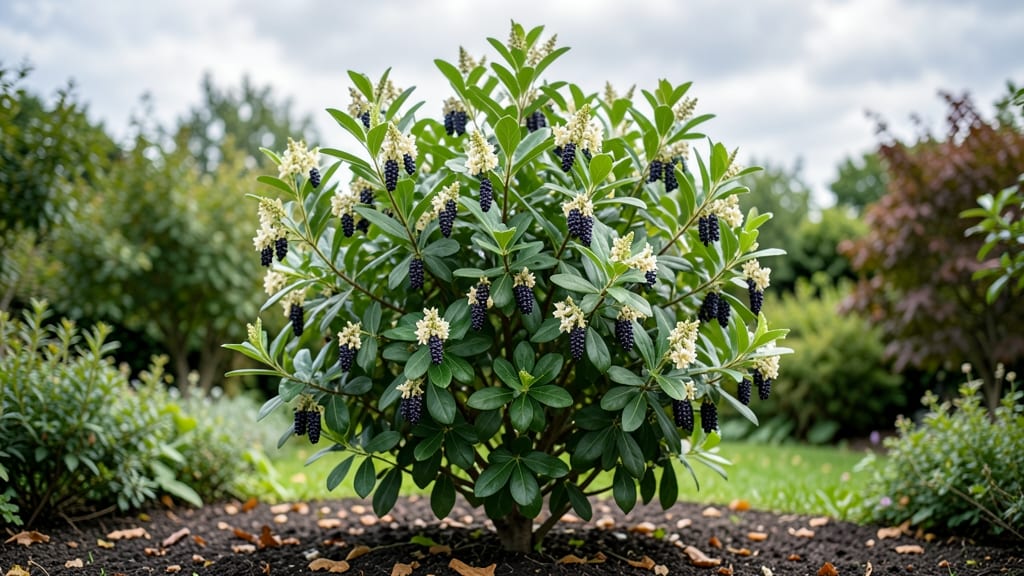
Ligustrum tree berries are highly toxic to humans and pets, containing ligustrin and saponins that cause nausea, vomiting, and diarrhea if ingested, though they are rarely fatal. Never consume them, and avoid handling without gloves if allergic reactions are a concern.
These glossy black berries contain multiple toxic compounds that can trigger severe gastrointestinal upset and even neurological symptoms in extreme cases. 🌿 While ingestion is uncommon, accidental poisoning can happen when pets or children mistake them for edible fruits.
The toxicity varies slightly between species—common privet (Ligustrum vulgare) and Chinese privet (Ligustrum sinense) both pose risks, though Chinese privet contains higher levels of cyanogenic glycosides that may affect the heart in large doses.
If you're concerned about wildlife, consider planting bird-friendly alternatives like serviceberry or elderberry, which provide safe food sources without the same dangers. Always wear gloves when handling ligustrum plants, and if you suspect poisoning, contact your vet or poison control immediately.
💡 In This Article
- Toxic Compounds in Ligustrum Berries and Their Effects
- Safe Removal and Disposal of Ligustrum Berries
Toxic compounds in ligustrum berries and their effects
The ligustrum berries' toxicity stems from three primary chemical compounds: ligustrin, saponins, and cyanogenic glycosides. Ligustrin, a bitter-tasting iridoid glycoside, disrupts normal cellular processes in the digestive tract, causing immediate irritation and inflammation.
Saponins create soapy textures when mixed with fluids, which irritates mucosal membranes in the mouth and stomach lining, leading to that characteristic burning sensation and excessive salivation after ingestion. These compounds work synergistically—ligustrin triggers the initial gastrointestinal distress, while saponins enhance absorption of other toxins.
Symptoms typically appear within 30 minutes to 2 hours after ingestion and include violent vomiting, abdominal cramps, and watery diarrhea that can last 12-24 hours.
In severe cases—particularly with Chinese privet (Ligustrum sinense)—cyanogenic glycosides convert to cyanide in the body, potentially causing difficulty breathing, dizziness, or even cardiac issues if large quantities are consumed.
The berries' glossy black appearance and sweet-tart aroma (when unripe) can be particularly tempting to curious pets or children, making them dangerous even in small amounts. 🌿 For reference, just 10-20 berries can cause noticeable symptoms in a small dog.
The toxicity varies between species due to compound concentrations. Common privet (Ligustrum vulgare) contains higher levels of ligustrin and saponins, primarily affecting the digestive system, while Chinese privet's cyanogenic glycosides pose additional cardiovascular risks. This is why veterinarians often ask about the specific plant type when treating poisoning cases.
Even handling the berries without gloves can cause skin irritation in sensitive individuals, as the saponins break down cell membranes upon contact with moisture.
What makes ligustrum berries particularly insidious is how their toxicity manifests in stages. The initial gastrointestinal symptoms (nausea, vomiting) often subside within 24 hours, but delayed effects like liver stress or neurological symptoms can emerge 2-3 days later in severe cases.
This delayed onset is why immediate medical attention is critical—even if symptoms seem to improve. The berries' high moisture content (about 75% water) also means toxins distribute rapidly throughout the body once ingested.
For gardeners, the key risk period is late summer to early fall when berries ripen from green to black. At this stage, their sugar content increases slightly (though still toxic), making them more appealing to wildlife.
The berries' hard outer shell protects the toxic compounds until they're crushed or chewed, which is why even birds may avoid them unless desperate for food. 🚨 This is why proper removal techniques—like wearing gloves and disposing of berries in sealed bags—are essential during pruning season.
Understanding these compounds helps explain why ligustrum berries have no culinary value despite their attractive appearance. Unlike some toxic plants that can be processed to remove harmful elements (like bitter almonds), ligustrum's toxins are deeply embedded in the fruit structure.
Even cooking or drying doesn't neutralize them—heat only increases the risk of cyanide release from glycosides in certain species.