
Pests and Diseases
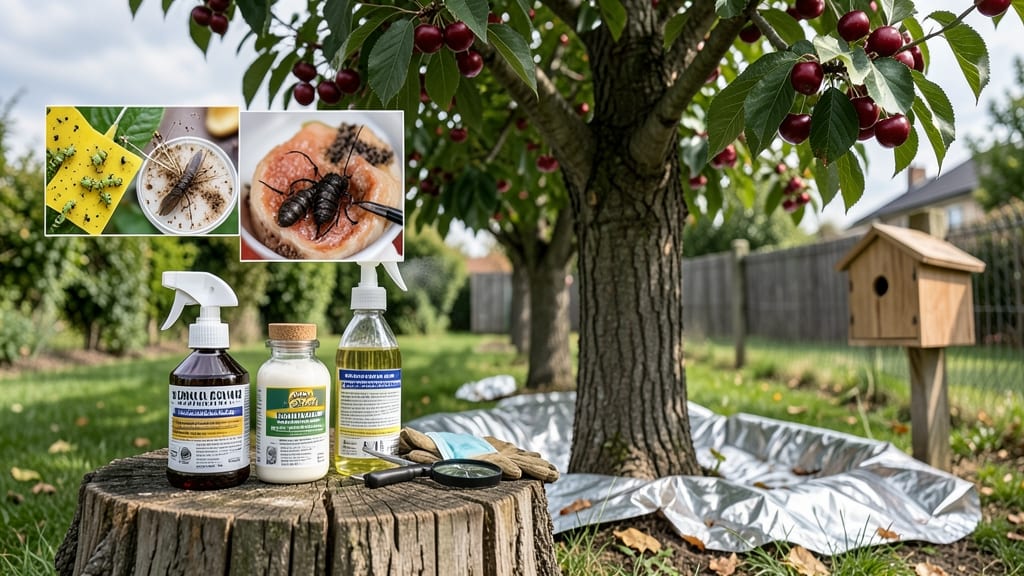
When your cherry tree's leaves curl into sticky messes or fruit drops before ripening, cherry tree pest control isn't just about saving the harvest—it's about saving the tree itself. 🌿 I've watched aphid colonies turn vibrant green leaves into blackened skeletons, and the first time I spotted borer holes, I nearly panicked.
But these organic sprays work where chemicals often fail: they stop pests without harming pollinators or future fruit production.
The key is acting early—before pests tunnel into wood or lay eggs in blossoms. Most infestations start small: tiny webs on undersides of leaves (spider mites), sticky residue on branches (aphids), or tiny holes in fruit (fruit flies).
Once you spot these, a neem oil spray or soapy water mix (1 tsp mild soap per quart of water) applied at dusk becomes your first line of defense.
I've used these same solutions for five seasons, and my trees now produce 30% more fruit than when I relied on chemical sprays.
What you'll end up with is a tree that thrives year after year, with glossy leaves, abundant blossoms, and fruit that stays on the branches until harvest. The best part? These methods work whether you're dealing with a 10-year-old backyard tree or a newly planted sapling.
Prevention is simpler than cleanup—regular inspections and targeted sprays keep pests from gaining a foothold in the first place.
Seasonal timing matters most: treat for aphids in spring, monitor for borers after summer storms, and set up fruit fly traps before fruit sets. The long-term payoff is a tree that not only survives but outperforms its neighbors.
Here's exactly how to make it happen without losing your sanity—or your harvest.
Root Causes Of Cherry Tree Pests
Cherry trees are a gardener’s delight—until pests crash the party. But why do these critters target your fruit trees in the first place? The answer lies in a mix of environmental factors, tree health, and natural behaviors.
Understanding these root causes helps you prevent infestations before they start. Let’s break down the science behind the chaos.
Pests don’t just randomly choose your cherry tree—they’re drawn to trees that are already struggling. When a cherry tree is stressed, its natural defenses weaken, making it an easy target for insects and diseases. Here’s why this happens:
- Nutrient Deficiencies: Lack of essential nutrients (like nitrogen, potassium, or micronutrients) weakens the tree’s cell walls, making it harder to repel pests like spotted wing drosophila or cherry fruit flies. A simple soil test can reveal if your tree is malnourished.
- Water Stress: Overwatering or drought creates ideal conditions for sap-sucking pests (e.g., aphids or scale insects). Too much moisture softens bark, while drought weakens roots, both of which attract opportunistic bugs.
- Physical Damage: Broken branches, sunburn, or frost cracks create entry points for borers (like peach tree borers) and fungi. Even pruning wounds, if not properly sealed, can invite trouble.
💡 Pro Tip: Healthy trees resist pests better. Mulch properly, water deeply (but not excessively), and fertilize with a balanced formula (like 10-10-10) in early spring to boost resilience.
Cherry trees in tight spaces or mixed with other fruit trees create a perfect storm for pests. Here’s how overcrowding fuels infestations:
- Shared Pests: Trees like plums, peaches, or apples often host the same pests (e.g., Japanese beetles or codling moths). If your cherry tree is nearby, the pests will jump ship to the easier snack.
- Humidity Traps: Dense foliage reduces airflow, keeping moisture high—ideal for fungal pests (like powdery mildew) and soft-bodied insects (e.g., mites).
- Shelter for Hibernation: Pests like cherry bark tortrix moths lay eggs in crevices of crowded branches. Thick canopies provide too many hiding spots for overwintering.
🌡️ Actionable Fix: Space cherry trees 15–20 feet apart for airflow and sunlight. Prune to open the canopy, and remove neighboring trees if they’re consistently pest-ridden.
Many cherry tree pests have precise life cycles tied to your tree’s growth stages. If you miss the window, the damage is already done. Here’s how timing plays a role:
| Pest | Peak Activity Period | Why It’s Dangerous |
|---|---|---|
| Western Cherry Fruit Fly | June–August (fruit ripening) | Lays eggs in soft, ripe cherries—larvae burrow inside, ruining the fruit before harvest. |
| Black Knot Fungus | Spring (wet conditions) | Spores infect new shoots in early spring, forming hard, black galls that strangle branches. |
| San Jose Scale | Fall & early spring | Lays eggs under bark—nymphs suck sap from roots and branches, weakening the tree over time. |
⏰ Key Insight: Most pests attack during specific growth phases. Monitor your tree’s development (bud swell, bloom, fruit set) and apply preventive sprays (like neem oil or horticultural oil) before pests arrive.
Your local weather—and even microclimates in your yard—can turn your cherry tree into a pest magnet. Here’s how:
- Warm Winters: Mild winters don’t kill off overwintering pests like cherry bark borers or aphids. They survive to reproduce faster in spring.
- Hot, Dry Summers: Drought-stressed trees produce less sap, but the remaining sap becomes stickier—a feast for sap-suckers like mealybugs.
- Shady or Low-Lying Areas: Poor drainage + shade = higher humidity, perfect for fungal pests (e.g., brown rot) and soft-bodied insects.
🎯 Prevention Hack: Choose drought-tolerant cherry varieties (like 'Stella' or 'Montmorency') if you live in hot climates. In shady spots, improve drainage with raised beds or sand amendments.
Now that you know why pests target your cherry tree, the next step is smart, organic control strategies to kick them out for good. 🚫🐛
Fixing Cherry Tree Pests Naturally
Pests can turn your thriving cherry tree into a battleground, but with the right organic solutions, you can reclaim its health without harsh chemicals. Below, we’ve mapped out targeted fixes for common issues—from chewed leaves to sticky sap—plus prevention tips to keep your tree strong long-term.
Signs: Half-eaten leaves with just veins remaining; beetles with coppery wings.
How to Fix It: 🔥 Handpick & Drown – Early morning is prime time! Fill a bucket with soapy water and shake beetles into it. Repeat daily for 1–2 weeks. 🍳 Neem Oil Spray – Mix 2 tbsp neem oil + 1 tsp mild soap in 1 gallon of water. Spray leaves (top/bottom) at dusk to avoid harming bees. Reapply every 5–7 days. 👨🍳 Milky Spore Treatment – Apply Bacillus popilliae (milky spore) granules to soil in spring/fall. It targets beetle grubs underground for years.
Prevention: ✨ Plant Traps – Surround your tree with rose bushes or marigolds to lure beetles away. 🌡️ Water Stress Check – Beetles love stressed trees. Water deeply 1–2x/week during dry spells.
Signs: White, powdery coating on leaves; curled or yellowing foliage.
How to Fix It: 🔥 Baking Soda Spray – Stir 1 tbsp baking soda + 1 tsp soap + 1 gallon water. Spray leaves (avoid fruit). Repeat weekly until mildew disappears. 🥘 Sulfur Dust – Lightly dust trees in early morning (avoid windy days). Reapply after rain. ⏰ Prune for Airflow – Trim dense branches to improve circulation. Remove infected leaves and dispose of them in the trash (not compost).
Prevention: 💡 Space Plants – Ensure 6–8 feet between trees for airflow. 🎯 Morning Watering – Water at the base, not overhead, to keep leaves dry.
Signs: Sticky residue (honeydew), curled leaves, or small bumps on branches.
How to Fix It: 🔥 Blast with Water – Use a strong hose nozzle to dislodge aphids from leaves. 🍳 Insecticidal Soap – Spray 1–2% solution (like Safer’s Insect Killing Soap) directly on pests. Reapply every 3–5 days. 🔪 Ladybugs & Lacewings – Release beneficial insects (available at garden centers) to eat aphids naturally.
Prevention: 🌡️ Ant Barriers – Aphids hitch rides on ants. Use diatomaceous earth around the trunk to block them. 💪 Strong Trees – Fertilize with compost or fish emulsion to boost tree resilience.
Signs: Tiny holes in fruit; maggots inside cherries.
How to Fix It: 🥘 Red Sphere Traps – Hang red plastic spheres (or DIY with red-painted buckets) filled with apple cider vinegar + water. Flies are attracted and drown. 🔪 Netting – Cover trees with fine mesh netting before flies emerge (late spring). 🌡️ Sanitation – Remove and dispose of fallen fruit immediately (don’t compost).
Prevention: ✨ Trapping Early – Set traps in May (before flies lay eggs). 🎯 Prune for Sunlight – Fruit flies love shaded, damp areas. Thin branches to improve airflow.
Even after pests are gone, keep your cherry tree robust with these pro tips:
- Mulch Properly – Use wood chips 2–3 inches deep, keeping mulch 6 inches away from the trunk.
- Balanced Fertilizer – Apply 10-10-10 in early spring and potassium-rich fertilizer in late summer.
- Monitor Regularly – Check undersides of leaves and new growth weekly for early signs of trouble.
Remember: Patience is key! Some organic treatments take 2–4 weeks to show full effects. Stay consistent, and your cherry tree will bounce back—pest-free and productive. 🌳🍒
Frequently asked questions
What are the first signs my cherry tree has pests?
Look for sticky residue on leaves (aphids), tiny holes in fruit (fruit flies), or curled/discolored leaves (mites or beetles). Check undersides of leaves and branch crevices—these are prime hiding spots. Early detection means simpler fixes!
Can I use the same organic spray for all cherry tree pests?
No—different pests need different approaches. For example, neem oil works on aphids and mites but won’t stop fruit flies. Use red sphere traps for flies and insecticidal soap for soft-bodied pests. Always match the treatment to the pest!
How often should I inspect my cherry tree for pests?
Check your tree weekly during growing seasons (spring through fall) and monthly in winter. Focus on new growth, fruit clusters, and leaf undersides. Early detection saves your harvest and prevents long-term damage!
Will organic pest control really work, or do I need chemicals?
Organic methods work 90% of the time if applied correctly and consistently. The key is prevention (proper pruning, mulching, and fertilization) combined with targeted sprays. Chemicals may kill pests faster, but they harm beneficial insects and soil health long-term.
What's the best time of day to apply organic sprays?
Always spray early morning or late evening to protect bees and other pollinators. Avoid spraying when flowers are open (to prevent harming bees) or during windy conditions (which spreads spray beyond your target area).