
Pruning
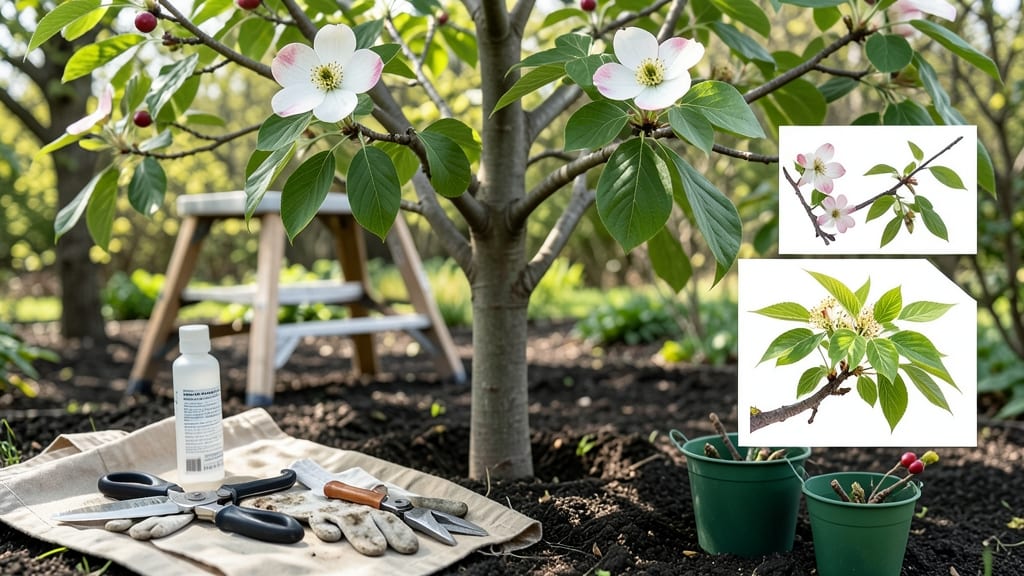
Watch this how to prune a dogwood tree video to turn tangled branches into a showstopping masterpiece—no fancy tools required. ✂️ I’ve watched my own dogwoods go from scraggly to stunning shapes just by following a few key timing and technique rules.
The secret lies in when you cut, how you shape, and what you remove to keep the tree healthy and blooming its best.
Timing matters most—prune right after flowering in late spring or early summer, when the tree has finished blooming but before new growth hardens. This gives you 6-8 weeks of fresh growth before winter dormancy.
Grab sharp pruners, a ladder (if needed), and a clean rag to wipe between cuts. The goal? Remove dead wood, thin crowded branches, and open the canopy for better airflow and sunlight penetration.
What you’ll end up with is a tree that blooms more abundantly, resists disease, and maintains that perfectly balanced silhouette year after year. Watch for signs of stress like excessive leaf drop or weak growth—those are your cues to adjust your approach.
The right cuts now mean fewer struggles later, and your dogwood will thank you with vibrant blooms and lush foliage for seasons to come.
This method works for both flowering and ornamental dogwoods, whether you’re pruning a small patio tree or a mature specimen in your yard. The key is patience—dogwoods respond well to gradual shaping over time. Ready to see the difference? Let’s get those branches looking their best.
📚 In This Guide
- What you need
- Instructions
- Tips and common mistakes
- Wrapping up and next steps
What you need
- ● Pruning shears (bypass pruners): Sharp, high-quality shears with a 4- to 6-inch blade for clean cuts on small branches (up to ½-inch thick). 💡 Pro tip: Test sharpness on a scrap branch—dull blades tear wood, inviting disease.
- ● Loppers: For branches ½- to 1½-inches thick. Look for bypass-style loppers with long handles (20+ inches) for leverage.
- ● Pruning saw: A curved-tooth saw for branches 1½+ inches thick. Avoid cheap saws—they gum up with sap.
- ● Gloves: Heavy-duty, cut-resistant gloves (e.g., leather or Kevlar) to protect from thorns and splinters.
- ● Ladder or step stool: A stable, extendable ladder (e.g., 24+ feet) if your tree is tall. ⚠️ Safety first: Use a ladder with non-slip feet and a spotter if needed.
- ● Disinfectant (70% isopropyl alcohol or bleach solution): Clean tools between cuts to prevent spreading fungal/bacterial diseases.
- ○ Sealing wax or pruning paint: Optional but helpful for large cuts (½-inch+ diameter) to reduce sap loss and disease entry.
- ● Timing: Prune dormant dogwoods (late winter/early spring) or after flowering (summer). Avoid heavy pruning in fall—it stresses the tree.
- ● Weather: Choose a dry, calm day (no rain forecast for 24 hours). Wet wood splinters more, and wind makes climbing risky.
- ● Tree health check: Inspect for diseases (anthracnose), pests, or dead branches before pruning. 🌡️ Pro tip: Tap branches—hollow sounds mean rot!
- ● Safety gear: Safety goggles and ear protection (if using a chainsaw for large branches).
- ● Extension pole: For high branches (e.g., 10+ feet). Attach pruners to a 20-foot telescoping pole to avoid climbing.
- ● Tarps or drop cloths: Lay beneath the tree to catch debris and protect landscaping.
- ● First-aid kit: For minor cuts or scrapes (dogwood thorns pack a punch!).
- ● Camera/phone: Snap before-and-after photos to track progress over time.
Step-by-Step guide for pruning dogwood trees
Here's the method I use to keep dogwoods thriving—whether you're shaping for beauty or removing deadwood.
✂️ Step 1: Prune in Late Winter or Early Spring
Dogwoods bloom on last year's growth, so prune just after flowering but before new buds form. I aim for late February to early March in most climates—this gives the tree time to heal before summer stress. Avoid pruning in fall, as open wounds invite disease over winter.
Check for dormant buds along branches. If you see swollen, plump buds, you've waited too long. Instead, mark your calendar for next year's late winter pruning window. Cold snaps below 20°F can stress the tree, so wait until temperatures stabilize above 35°F before cutting.
✂️ Step 2: Remove Dead, Diseased, or Crossing Branches First
Start with dead wood—it's the easiest to spot. Look for branches that snap when bent or have no green bark underneath. Cut these back to the main trunk or a healthy lateral branch. Next, remove any branches with mushrooms, cankers, or oozing sap—these are signs of disease.
For crossing branches, choose the stronger of the two and cut the other at the branch collar (the swollen area where the branch meets the trunk). Never leave stubs—this invites rot. Use clean, sharp pruners to make cuts at a 45-degree angle just outside the branch collar.
✂️ Step 3: Thin the Canopy for Better Airflow
Dogwoods need good airflow to prevent fungal diseases like powdery mildew. Step back and look for branches growing inward or rubbing against others. Remove one-third of the thinnest branches from the outer canopy to open it up. Focus on smaller branches first—you can always thin more later.
Watch for water sprouts (fast-growing, vertical shoots) and suckers (shoots at the base). These sap energy from the tree. Cut them off at the base with hand pruners or a pruning saw for thicker stems. If you see leaf spots or yellowing, prune those branches immediately to contain the issue.
✂️ Step 4: Shape for Balance and Form
Dogwoods have a natural, graceful shape. Avoid heavy pruning—just lightly shape to maintain their elegant form. Remove branches that grow straight upward (they create weak, crowded growth). Instead, encourage horizontal branches by trimming upward-growing stems by one-third of their length.
For young dogwoods, prune to create a strong central leader (main upward branch). If multiple branches compete for dominance, remove all but the healthiest one. Older trees may need rejuvenation pruning—cut back one-third of the oldest branches at the base to stimulate new growth.
✂️ Step 5: Clean Up and Protect the Tree
After pruning, sterilize your tools with rubbing alcohol to prevent spreading disease. Remove all clippings from the area—don't leave them piled under the tree, as they can harbor pests. For large branches, seal cuts wider than ½ inch with pruning sealant to reduce sap loss and infection risk.
Water the tree deeply after pruning to help it recover. Mulch around the base (but not touching the trunk) with 2-3 inches of organic mulch to retain moisture. Avoid heavy pruning in summer heat—the tree needs time to adjust before drought stress sets in.
Tips & tricks for pruning dogwood trees like a Pro
These simple but game-changing tips will help you prune your dogwood with confidence—and keep it thriving for years.
Timing is Everything: The late February to early March window is critical because dogwoods bloom on last year's growth. If you prune too early, you risk removing flower buds before they open. If you wait too late, you'll encourage weak, leggy growth. I always check for swollen buds—if they're plump and ready to burst, it's time to put the pruners away until next year. The 35°F minimum temperature rule is non-negotiable—cold snaps below 20°F can shock the tree.
Branch Collar Matters: When removing branches in Step 2, never cut flush with the trunk—always target the branch collar, that swollen area where the branch meets the trunk. This is where protective tissues form to seal the wound. Cutting too close creates an open wound that invites disease. For thicker branches, use a pruning saw and make your cut just outside the collar at a 45-degree angle to shed water away from the wound.
Visual Pruning Cues: Step back and look at your tree from all angles before making cuts. You're aiming for an open, airy canopy that lets sunlight reach all branches. For Step 3, remove one-third of the thinnest branches first—they're competing for sunlight and nutrients with stronger branches. Look for branches that cross or rub against each other; these create wounds and weak spots. Remember, you can always remove more later, but you can't put back what you cut.
Equipment Prep: Clean, sharp tools are your best defense against disease. Before you start, sterilize your pruners with rubbing alcohol—this kills bacteria and fungi that could hitch a ride to your next cut. For larger branches, have pruning sealant ready to treat any wounds wider than ½ inch. I also keep a small bucket of soapy water nearby to dip tools between cuts, which helps prevent spreading pathogens from diseased branches to healthy ones.
Pro Tips for Prune A Dogwood Tree Video
- These simple but game-changing tips will help you prune your dogwood with confidence—and keep it thriving for years.
- Timing is Everything: The late February to early March window is critical because dogwoods bloom on last year's growth.
- Branch Collar Matters: When removing branches in Step 2, never cut flush with the trunk—always target the branch collar, that swollen area where the branch meets the trunk.
Frequently asked questions
Got questions about pruning your dogwood tree? You’re not alone! Here are answers to the most common concerns—so you can prune with confidence and keep your tree thriving.
When is the best time to prune a dogwood tree?
Prune dogwoods late winter to early spring (just before buds swell) to avoid disease risks. Light shaping can happen in summer after flowering, but avoid heavy pruning then. Never prune in fall—it invites fungal infections like anthracnose. For overgrown trees, spread pruning over 2–3 years to reduce stress.
Can I prune a dogwood tree in summer?
Yes, but only for minor adjustments like removing dead branches or shaping. Heavy summer pruning stresses the tree, weakens growth, and increases disease risk. If you must prune, do it after flowering (late June–July) and keep cuts small. For major work, wait for dormancy in late winter.
What if my dogwood tree bleeds sap after pruning?
Sap bleeding (or “weeping”) is normal for dogwoods—it’s their way of sealing wounds. While it looks alarming, it won’t harm the tree. To minimize it, prune on cooler days (below 60°F) and use sharp tools for clean cuts. Avoid pruning during warm, humid weather to reduce sap flow and pest attraction.
How do I know if I’ve pruned too much?
Signs of over-pruning include stunted growth, leaf yellowing, or excessive sap bleeding. Dogwoods can handle up to 25% of their canopy removed in one season, but heavy cuts (especially above buds) may lead to dieback. If your tree looks stressed, pause pruning for a year and focus on watering and mulching.
Can I use hedge trimmers instead of pruning shears?
For small dogwoods or hedges, hedge trimmers work—but they’re not ideal for precise cuts. Use them only for even shaping on young trees. For mature dogwoods, switch to hand pruners or loppers to avoid tearing bark and damaging branches. Always follow cuts with a 1:2 ratio (cut just outside the branch collar).
Wrapping up and next steps
Pruning your dogwood tree doesn’t have to be intimidating—with the right tools, timing, and technique, you’ll keep it thriving for years! 🌿 Remember to remove dead or crossing branches, thin out crowded growth, and shape it gently to encourage healthy blooms.
Whether you’re a beginner or a seasoned gardener, a little patience and care go a long way.
Ready to give your dogwood the TLC it deserves? Grab your pruners, watch the video guide, and get started today! Your tree—and your garden—will thank you. 🌸