
How To
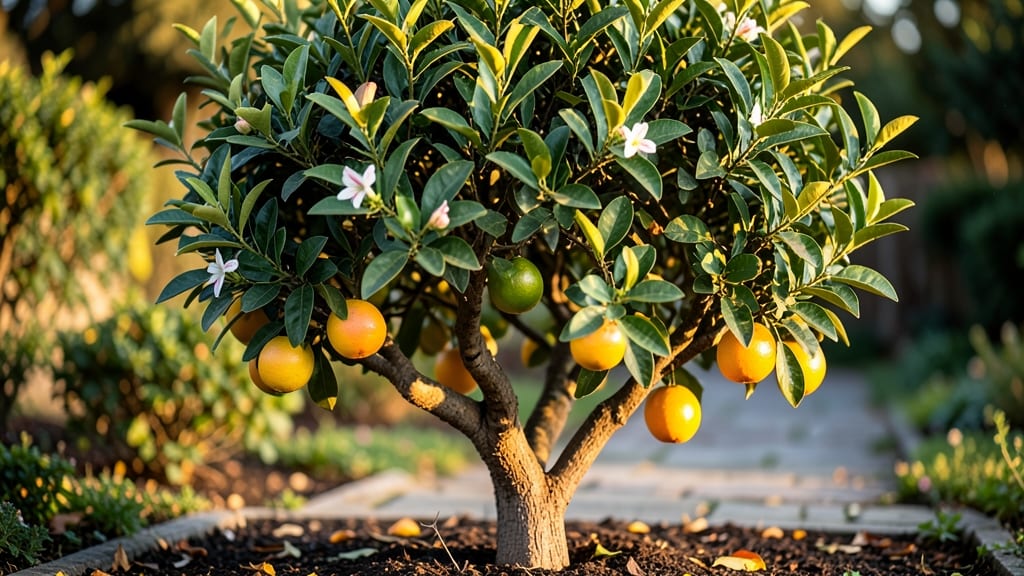
How tall does a grapefruit tree grow? At maturity, it typically reaches heights between 15 and 30 feet, depending on the variety and growing conditions—so your space planning matters more than you might think.
Picture this: You’ve spent months nurturing your 🍊 grapefruit tree, only to realize it’s outgrown your backyard or patio. The good news? Dwarf varieties stay under 12 feet, while standard types can reach skyscraper-like proportions. Knowing the difference upfront saves headaches later.
Climate plays a role, too. In USDA Zone 9b, where grapefruit thrive, standard trees grow taller due to ideal warmth, while container-grown trees stay shorter. Pruning can also trim height by 30% if you act early.
Below, I break down the height ranges for both dwarf and standard varieties, how to choose the right one for your space, and pruning tips to keep your tree manageable—no matter how ambitious it gets.


Standard grapefruit tree heights: space requirements and growth patterns
If you're dreaming of fresh, homegrown grapefruits but worry about space, standard grapefruit trees (Citrus × paradisi) can reach 15 to 25 feet tall at maturity—sometimes even 30 feet in ideal conditions.
These trees grow quickly, with 3 to 5 feet of height gain per year in their first few years. Their impressive vertical growth means they need plenty of room to thrive, especially in warm, sunny climates like USDA Zones 9b and above.
Understanding their growth patterns helps you plan your garden layout or container setup. Standard varieties like 'Ruby Red' or 'Duncan' are popular choices for backyard orchards, but they require 15 to 20 feet of clearance from structures, power lines, and other trees.
Without proper spacing, branches can become tangled or damaged, reducing fruit production and overall health.
Climate plays a huge role in how tall your grapefruit tree will grow. In hot, humid subtropical regions, these trees grow faster and taller, while cooler climates may slow their growth. Soil quality also matters—well-draining, slightly acidic soil (pH 6.0–7.0) encourages strong root development, which supports vertical expansion.
Poor soil can stunt growth or lead to weak branches that struggle to support the tree’s weight.
Here’s a quick breakdown of what to expect with standard grapefruit trees:
| Growth Stage | Height Range | Growth Rate | Key Considerations |
|---|---|---|---|
| Year 1 | 3–5 feet | Rapid growth | Focus on root establishment |
| Year 2–3 | 6–10 feet | 2–3 feet per year | Prune to shape canopy |
| Year 4–5 | 10–15 feet | 1–2 feet per year | Begin harvesting fruit |
| Mature (5+ years) | 15–25+ feet | Slower growth | Regular pruning required |
To manage the height of a standard grapefruit tree, pruning is essential. I recommend pruning in late winter or early spring before new growth begins. Remove dead, diseased, or crossing branches first, then thin out the canopy to improve airflow and sunlight penetration.
Aim to keep the tree’s center open to prevent fungal issues and encourage fruit production. Never remove more than 25% of the tree’s foliage in a single pruning session to avoid stressing the plant.
If your space is limited, you can prune aggressively to keep the tree shorter, but expect a trade-off in fruit yield. For example, a heavily pruned standard grapefruit tree might stay around 12 to 15 feet tall, but it will produce fewer grapefruits than an unpruned tree.
Always use sterilized pruning tools to prevent the spread of diseases like citrus canker, which can weaken the tree and stunt its growth.
Another way to control height is by training the tree on a stake or trellis during its early years. This method works best for younger trees and helps direct their growth upward or outward, depending on your space constraints.
Just be sure to secure the tree properly to avoid damage from wind or heavy fruit loads. Over time, this technique can reduce the tree’s overall height by 20–30% while still allowing it to produce fruit.
For gardeners in container setups, standard grapefruit trees can still grow tall, but their root growth will be restricted. Choose a large container (at least 24 inches in diameter) with drainage holes and use a well-draining potting mix to prevent root rot.
Even with containers, these trees can reach 10 to 15 feet tall, so plan accordingly. Regular repotting every 2–3 years will help maintain soil fertility and support continued growth.
Finally, remember that patience is key when growing grapefruit trees. It can take 3 to 5 years for a standard tree to bear fruit, and their full height potential may not be reached until they’re 10 years old.
During this time, focus on providing consistent care—watering deeply 2–3 times per week, fertilizing with a citrus-specific blend, and protecting the tree from pests like aphids or citrus leaf miners.
With the right conditions, your grapefruit tree will reward you with years of fresh, homegrown fruit and a stunning addition to your landscape.
Dwarf grapefruit trees: ideal heights for small spaces and containers
If you dream of growing grapefruit but lack the space for a towering standard tree, dwarf varieties offer the perfect solution. These compact citrus trees reach just 6 to 12 feet at maturity—ideal for patios, balconies, or urban gardens.
Unlike their standard counterparts, which can soar to 20–30 feet, dwarf grapefruit trees thrive in containers while still producing juicy, sweet fruit.
Choosing the right dwarf variety depends on your climate and container size. Popular options like 'Foster' or 'Mexican' grapefruit stay under 10 feet and adapt well to pots. With proper care, these trees can live for decades, making them a long-term investment for small spaces.
The key difference? Root restriction in containers slows growth but requires extra attention to soil and watering.
Comparison Table: Dwarf vs. Standard Grapefruit Trees
For container growth, select a well-draining potting mix with added perlite or sand to prevent root rot. Use a pot at least 15 gallons for mature dwarf trees, and upgrade to 25 gallons for varieties like 'Ruby Red'.
Place containers in full sun (6+ hours daily) and water deeply when the top inch of soil feels dry. Dwarf trees need consistent moisture but hate soggy roots.
One advantage of dwarf grapefruit trees is their earlier fruiting. While standard trees may take 5–7 years to bear fruit, dwarfs often produce in 2–3 years with proper care. However, expect smaller harvests—typically 10–20 fruits per year compared to 50+ from a full-sized tree.
To maximize yield, prune lightly after harvest to encourage new growth while maintaining the tree’s compact shape.
If your space is limited but you crave fresh grapefruit, dwarf varieties deliver big rewards in small packages. Just remember: containers dry out faster, so monitor soil moisture closely and fertilize lightly during the growing season.
With the right variety and care, you’ll enjoy homegrown citrus without sacrificing yard space! 🪴