
Light Requirements
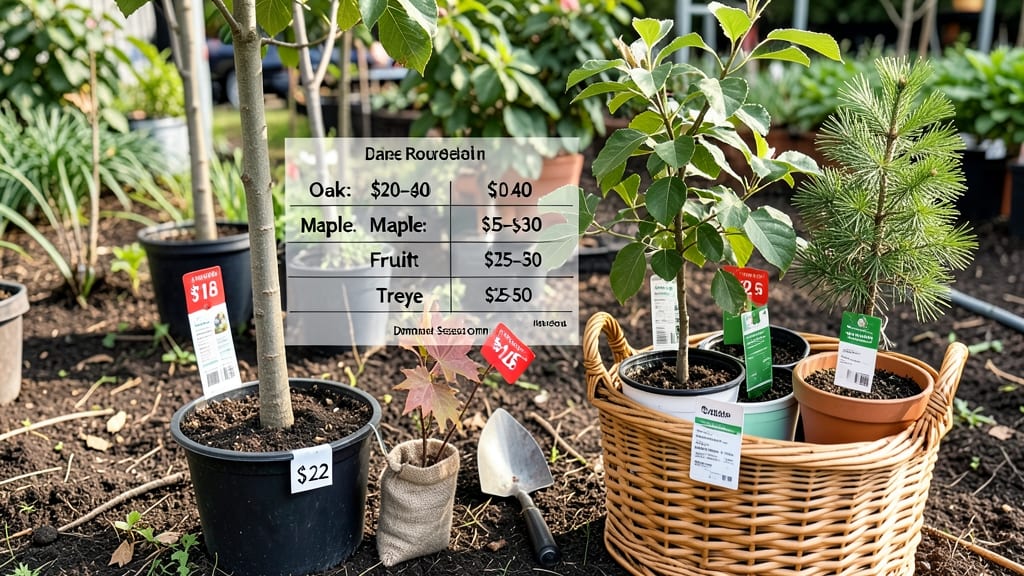
Buying tree saplings costs between $10 and $100 on average, with native hardwoods like oak or maple typically priced between $25 and $75. Exotic varieties or fruit trees can push prices above $150, while bulk purchases or seasonal sales often reduce costs significantly.
Pricing for young trees varies widely based on species, size, and where you shop. 🌳 For example, common shade trees like dogwoods or serviceberries usually fall in the mid-range ($20-$50), while rare or slow-growing species can cost twice that.
I always recommend checking local conservation programs or university extension offices—they often offer discounted native saplings for habitat restoration projects.
Another key factor is rootstock quality. Bare-root saplings (without soil) are cheaper but require careful handling, while container-grown trees cost more upfront but establish faster. 💛 If you're planting multiple trees, ask nurseries about bulk discounts—they sometimes waive fees for orders of 10+ saplings, especially during off-season sales.
💡 In This Article
- Factors Influencing Tree Sapling Prices
- Best Places to Buy Affordable Tree Saplings
Factors influencing tree sapling prices
Species rarity drives a significant portion of pricing variations. Native hardwoods like white oak or sugar maple, which are in high demand for landscaping and forestry, typically cost $25-$75 each due to their established nursery cultivation processes.
These trees require 3-5 years of careful growing under controlled conditions before reaching sapling size, adding to production costs. In contrast, exotic species like Japanese maples or rare fruit varieties can exceed $150 because they're harder to propagate and maintain, often requiring specialized greenhouse environments.
The rootstock quality directly impacts price tags. Container-grown saplings—those with intact root balls—cost more ($30-$100) because they're easier to transplant and establish faster than bare-root options ($10-$40).
The container size matters too: a 3-gallon pot sapling will cost 20-50% more than a 1-gallon equivalent, as it represents an additional year of growth. Nurseries also factor in disease resistance and genetic improvements, which can add $5-$20 to premium varieties.
Nursery reputation plays a hidden but critical role in pricing. Reputable, certified nurseries charge more because they guarantee healthy stock with proper certification (like USDA-approved disease-free status).
I've seen certified white pines cost $40-$60 compared to $20-$30 for uncertified ones—yet the difference in long-term survival and growth can justify the premium.
Regional availability creates another pricing layer: saplings native to your area are cheaper because they don't require special growing conditions, while tropical or drought-resistant species may cost 30-100% more.
Seasonal timing offers surprising price fluctuations. Spring and fall are peak seasons when nurseries mark up prices by 10-30% due to high demand. But winter sales—especially in December—can drop prices by 20-40% as nurseries clear inventory.
The best deals often come from wholesale lots (minimum 10-20 saplings) where prices per unit drop to $5-$15, though you'll need storage space for bulk purchases. Timing your purchase right can save hundreds on large orders.
Consider these key pricing tiers when comparing options:
- Budget options: Common species ($10-$25) like willow or birch from local farms or community plant sales
- Mid-range: Popular landscaping trees ($25-$75) from big-box stores or regional nurseries
- Premium: Rare or specialty trees ($100-$300+) from arboretum sales or online botanical suppliers
What most people overlook is how shipping costs can add $10-$50 for online orders, sometimes making local purchases more economical despite higher per-unit prices.
Always ask about plant health guarantees—some nurseries offer 30-90 day replacements if your sapling fails to thrive, which adds value beyond the initial price tag. 🌱