
Trees
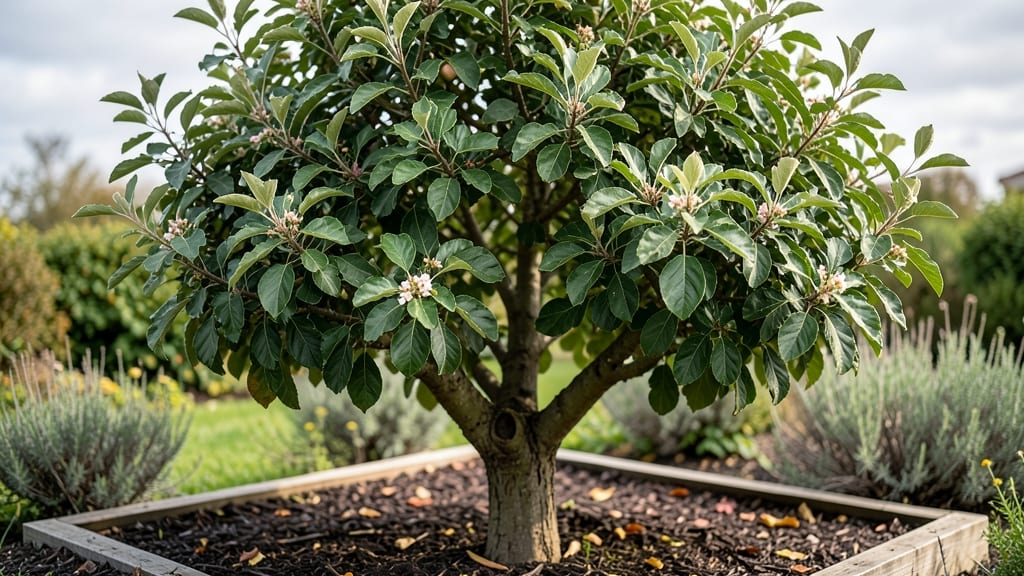
Granny Smith apple tree leaves aren’t just pretty—they’re nature’s pest deterrent. 🌿 I’ve watched those glossy green leaves fend off aphids and mites like a shield, but even the toughest foliage needs help when yellowing, spots, or curling show up.
The secret isn’t just reacting—it’s reading the leaves like a map to what your tree really needs.
Start by checking the undersides of leaves for tiny webs or sticky residue (that’s spider mites or aphids), or inspect stems for sawdust-like frass (leafrollers). Yellowing often means overwatering or nutrient deficiencies—especially nitrogen—while black spots could signal fungal issues like apple scab.
The good news? Most problems fix with pruning, neem oil sprays, or copper fungicides, plus a little seasonal TLC to keep leaves thriving year-round.
📚 In This Guide
- What you need
- Instructions
- Tips and common mistakes
- Wrapping up and next steps
What you need
- ● Fresh or dried Granny Smith apple tree leaves: Collect at least 1–2 cups (dried) or 3–4 cups (fresh) for a standard spray. More leaves = stronger solution!
- ● Water: 1 gallon (for sprays) or as needed for mulch/compost.
- ● Large pot or bucket: A 5-gallon capacity with a lid for steeping leaves.
- ● Strainer or cheesecloth: To filter out leaf debris.
- ● Spray bottle or garden sprayer: A 1–2 gallon capacity for even distribution.
- ○ Gloves (optional but recommended): Protect your hands from leaf sap or rough edges.
- ● Pruning shears: For harvesting leaves safely from the tree.
- ● Food processor or blender: Speeds up leaf breakdown for mulch or compost tea.
- ○ Essential oils (optional): Add 5–10 drops of peppermint or neem oil to boost pest-repellent effects.
- ● Labeling tags: Mark your spray or compost mix to track freshness.
- ● Sieve or mesh bag: For drying leaves efficiently (if making dried leaf powder).
How to use Granny Smith apple tree leaves for natural pest control
Here's how to harness the natural pest-repelling power of Granny Smith leaves—no chemicals, just organic defense.
🌿 Step 1: Harvest Leaves at Peak Effectiveness
Collect fresh, healthy Granny Smith leaves in late summer when their pest-repelling compounds are strongest. Avoid leaves with holes, spots, or signs of disease—those won’t work as effectively. I like to harvest just before pruning, when the tree is still lush but before pests become overwhelming.
Cut leaves with clean pruners or pinch them off at the stem. You’ll need about 1 cup of chopped leaves per gallon of water for a strong infusion. Store extras in a paper bag in the fridge for up to 5 days—plastic traps moisture and causes mold.
💧 Step 2: Create a Pest-Repellent Spray
Fill a clean container with 1 gallon of water and add the harvested leaves. Let the mixture steep in direct sunlight for 24 hours—this boosts the potency of the natural compounds. I use a glass jar with a lid, but any non-reactive container works.
After steeping, strain the leaves through a fine-mesh sieve or cheesecloth. The liquid should be a pale green color. For extra strength, add 1 tablespoon of neem oil (optional but effective against soft-bodied pests like aphids). Store the spray in a labeled spray bottle in a cool, dark place for up to 2 weeks.
☀️ Step 3: Apply Spray at Critical Times
Use the spray in the early morning or late afternoon when temperatures are below 85°F—heat can burn foliage. Focus on the undersides of leaves, where many pests hide. Reapply every 5-7 days or after rain, as the spray breaks down quickly.
For stubborn infestations, combine with 1 teaspoon of mild liquid soap (like castile soap) per gallon. This helps the spray adhere better and smothers soft-bodied insects. Test on a small area first—some plants are sensitive to soap residues.
✂️ Step 4: Enhance Soil Health with Leaf Mulch
Instead of discarding used leaves, chop them finely and mix them into the soil around your plants. This releases nutrients slowly and deters pests like slugs and cutworms. Spread a ½-inch layer around the base of plants, keeping it 2 inches away from the trunk to prevent rot.
For container gardens, blend dried leaves into the top inch of soil. The aromatic compounds continue repelling pests even after decomposition. This method works best in spring and fall, when pests are most active but temperatures are moderate.
🌱 Step 5: Rotate Applications for Long-Term Defense
Pests adapt quickly, so alternate Granny Smith sprays with other natural remedies like garlic or chili pepper sprays every 2-3 weeks. I keep a spray schedule in my garden journal—this prevents resistance and keeps pests guessing.
Monitor your plants closely after each application. If you notice new pest activity, increase frequency to every 3-4 days until the problem subsides. The key is consistency—Granny Smith leaves work best as a preventative, not a cure.
Tips & tricks for maximizing Granny Smith leaf pest control
These practical insights will help you get the most out of your organic pest defense system—no wasted leaves or missed opportunities.
Timing Secret: The 24-hour steeping time in direct sunlight isn't just about infusion—it's about photosynthesis working for you. Place your container where leaves will get full sun exposure, but rotate it every few hours to prevent hot spots. If your weather forecast calls for rain during the steeping period, move the container indoors to a sunny windowsill to maintain the process. The pale green color you're aiming for develops during this sunlight exposure, indicating the active compounds are fully activated.
Leaf Selection Tip: Focus on harvesting leaves from the lower third of the tree first—they tend to have higher concentrations of pest-repelling compounds. Avoid any leaves that show signs of yellowing or curling, as these may indicate stress or disease that could compromise your spray's effectiveness. I've found that leaves from the outer canopy often have the strongest aroma, which correlates with their pest-repelling power. Store harvested leaves in a paper bag rather than plastic to maintain their natural integrity and prevent mold formation.
Application Strategy: When applying your spray, work in the early morning hours when temperatures are below 85°F and humidity is naturally higher. This helps the spray adhere better to plant surfaces and reduces the risk of leaf burn. Use a fine mist setting on your spray bottle to ensure thorough coverage, especially on the undersides of leaves where many pests hide. For large gardens, consider using a pump sprayer for more even distribution—just dilute your concentrated spray with equal parts water first.
Soil Integration: When using leaves as mulch, chop them finely to maximize surface area for nutrient release. The ½-inch layer recommendation is ideal for most plants, but for container gardens, you can blend dried leaves directly into the top inch of soil. This method works particularly well in spring and fall when pests are most active but temperatures remain moderate. The aromatic compounds continue to deter pests even after decomposition, making this a dual-purpose solution for both pest control and soil enrichment.
Pro Tips for Granny Smith Apple Tree Leaves
- These practical insights will help you get the most out of your organic pest defense system—no wasted leaves or missed opportunities.
- Timing Secret: The 24-hour steeping time in direct sunlight isn't just about infusion—it's about photosynthesis working for you.
- Leaf Selection Tip: Focus on harvesting leaves from the lower third of the tree first—they tend to have higher concentrations of pest-repelling compounds.
Frequently asked questions
Got questions about using Granny Smith apple tree leaves to keep pests at bay? Here are some of the most common ones—plus quick, practical answers to help you make the most of this natural garden hack!
Why do Granny Smith apple tree leaves work so well against pests?
Granny Smith apple tree leaves contain quercetin and other compounds that repel pests like aphids, mites, and even some beetles. Their strong scent and slightly bitter taste act as a natural deterrent, making them a favorite in organic gardening. Plus, they’re easy to find—just harvest excess leaves from your tree!
When is the best time to harvest Granny Smith leaves for pest control?
Harvest leaves in late spring or early summer when they’re fully mature but before they start yellowing. Avoid leaves that look diseased or damaged, as they may not be as effective. Store them in a dry, shaded place or dry them for later use—just crush a few and sprinkle around plants for instant pest protection!
Can I use Granny Smith leaves if my tree has been treated with pesticides?
If your tree has been sprayed with synthetic pesticides, wait at least 3–6 months before harvesting leaves for pest control. Residues can reduce their effectiveness and may harm the plants you’re trying to protect. Opt for organic trees or grow your own Granny Smith sapling for the safest, most potent leaves!
What’s a good alternative if I don’t have a Granny Smith tree?
No Granny Smith tree? No problem! Other apple varieties (like Fuji or Gala) work too, or try leaves from mint, basil, or lavender plants. Even neem leaves or chives are great pest repellents. Just crush and apply them fresh for the strongest effect—nature’s bug spray in a pinch!
Why aren’t my Granny Smith leaves working against a specific pest?
Some pests (like slugs or caterpillars) may ignore Granny Smith leaves because they’re not deterred by scent alone. For tough critters, combine leaves with diatomaceous earth or garlic spray. Also, reapply leaves after rain or every few weeks for consistent protection—pests adapt fast!
Still stumped? Drop your question in the comments—we’re happy to help you turn those leaves into a pest-free paradise!
Wrapping up and next steps
Granny Smith apple tree leaves aren’t just for show—they’re a natural, chemical-free way to protect your garden from pests while promoting a thriving, organic ecosystem. 🍃 Whether you’re using them as mulch, tea, or compost, their pest-repellent properties make them a gardener’s secret weapon.
With minimal effort, you can reduce reliance on synthetic pesticides and foster healthier plants.
Ready to put these leaves to work? Start small—try brewing a batch of Granny Smith leaf tea or sprinkle dried leaves around your garden this weekend. Your plants (and the planet) will thank you!