
Pruning
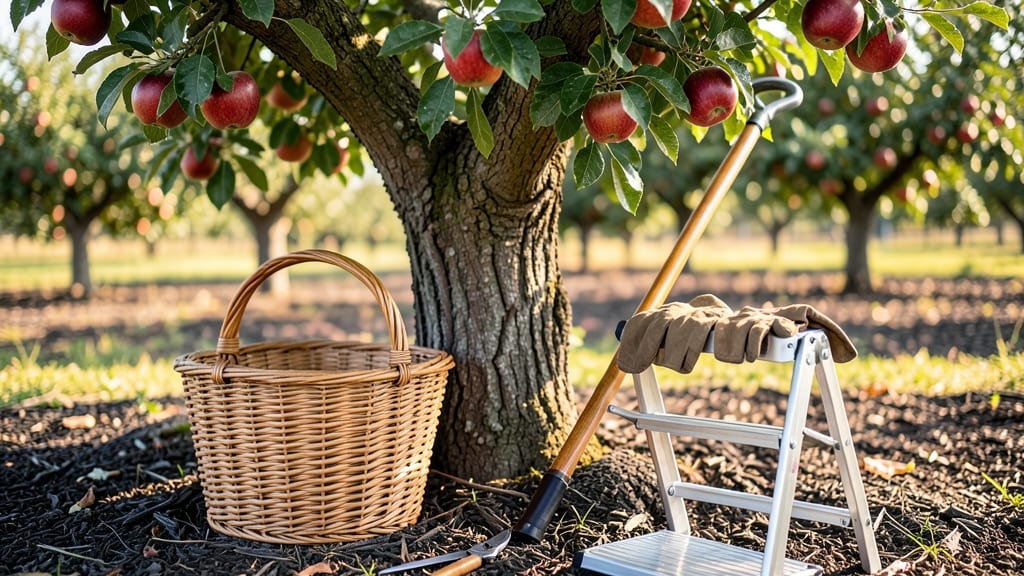
Picking fruit from your tree at the perfect moment transforms a simple harvest into a feast that lasts all year. 🌿 The difference between meal-sized fruit and grocery-store mushy pulp comes down to knowing exactly when to pick—and how to handle it afterward.
My first peach harvest ended up as bird food because I didn't recognize the ripeness signs, but now I've got a foolproof system that keeps fruit fresh for months.
Start by learning the unique ripeness cues for each tree: apples give slightly when gently twisted, peaches yield to thumb pressure, and oranges release easily from the branch. Hand-picking works for most fruit, but larger harvests benefit from pruning shears or a sturdy picking pole—just avoid damaging the tree's bark.
Timing matters too: morning harvests stay fresher longer, and picking in dry weather prevents rot.
What you end up with is fruit that stores beautifully—apples last months in a cool, dark place, citrus stays vibrant in the fridge, and stone fruits freeze perfectly for smoothies.
The secret is gentle handling: use a basket with soft sides, avoid bruising, and leave some fruit on the tree for wildlife. My neighbors now ask for my harvest tips every fall after seeing their fruit spoil before they could enjoy it.
This works for backyard orchards, container-grown trees, and even apartment balconies with dwarf varieties. The key is paying attention to the tree's signals and treating each harvest like a chance to extend the growing season. Let's get those baskets ready!
📚 In This Guide
- What you need
- Instructions
- Tips and common mistakes
- Wrapping up and next steps
What you need
- ● Pruning shears – Sharp, bypass-style (for clean cuts), 8-10 inches long (e.g., Felco F-2 or Corona). Quantity: 1 per person.
- ● Loppers – Heavy-duty, 20-24 inches long (for thicker branches). Quantity: 1 per 2-3 people.
- ● Pruning saw – 7-10 inches, with a curved blade (for large branches). Quantity: 1 per team.
- ● Gloves – Garden-grade, cut-resistant (e.g., Mechanix or heavy-duty leather). Quantity: 1 pair per person.
- ● Ladder or step stool – Sturdy, non-slip, 8+ feet tall (for tall trees). Quantity: As needed.
- ● Buckets or harvest bins – 5-10 gallon capacity, with handles (for easy transport). Quantity: 2-4 per person.
- ● Harvesting bags or mesh sacks – Breathable fabric (to prevent bruising). Quantity: 1-2 per person.
- ● Disinfectant (70% isopropyl alcohol or bleach solution) – To sterilize tools between cuts. Quantity: Small spray bottle.
- ○ Sharpie or pruning sealant – For marking cuts or sealing wounds (optional but helpful).
- ● Extension pole pruners – For high branches without a ladder.
- ● Knee pads or stools – For comfort during long harvests.
- ● Harvesting knife – For delicate fruits like figs or persimmons.
- ● Sun protection – Hat, sunscreen, and long sleeves (especially for summer picking).
- ● Cooling containers or ice packs – To keep berries/fruit fresh post-harvest.
Step-by-Step guide to year-round fruit tree picking
Here's how I keep my orchard productive through every season—no wasted fruit, no missed harvests.
🌱 Step 1: Know Your Tree's Peak Seasons and Early Signs
Each fruit tree has a distinct harvest window, and timing matters more than you'd think. Apples, pears, and peaches typically ripen in late summer to fall, while citrus and berries have their own rhythms. Watch for color changes—apples go from green to their mature hue, peaches soften slightly when gently squeezed, and stone fruits develop a subtle blush.
I always check the tree's natural cues first: a slight give when you press the fruit, a shift in color, and even the way it detaches from the branch with minimal tugging. If you're unsure, cut one open—if it's sweet and juicy, the others are close behind. Mark your calendar when you see the first ripe fruit appear, as this signals the main harvest window is near.
☀️ Step 2: Harvest at the Right Time for Maximum Flavor and Storage
Don't wait until the fruit falls on its own—that's a sure sign it's past its prime. The ideal time is when the fruit is fully colored but still firm. For apples and pears, this might mean a few days before they're ready to eat fresh; they'll ripen further off the tree. Stone fruits like peaches and plums should yield slightly to gentle pressure, and their skin may develop a slight sheen.
Harvest in the morning when temperatures are cooler—fruit stays fresher longer. Use pruning shears or a small saw for branches that are too thick to snap by hand. Always leave the stem attached (about a quarter-inch) to extend shelf life. I like to place a clean cloth or bucket beneath the tree to catch the harvest and prevent bruising from dropped fruit.
💧 Step 3: Handle and Store Fruit Properly to Extend Freshness
Once picked, handle fruit with care—bruises and cuts shorten storage life dramatically. Sort immediately into categories: those ready to eat, those that need a few days to ripen, and any that are damaged. Store ripe fruit in a cool, dark place (like a root cellar or unheated garage) where temperatures stay between 32-40°F. Apples and pears can last for weeks this way, while stone fruits are best enjoyed within a few days.
For fruit that needs to ripen, place it in a paper bag with a banana or apple—these fruits release ethylene gas, which speeds up the process. Check daily and move to the fridge once ripe. Never wash fruit until you're ready to eat it; moisture speeds up spoilage. I use wooden crates for storage because they allow airflow while keeping fruit organized and easy to access.
⏰ Step 4: Plan for Year-Round Picking with Seasonal Strategies
Not all fruit ripens at once, so I stagger my harvests by planting varieties with different maturity dates. Early-season apples like 'McIntosh' give way to 'Honeycrisp' in late summer, while 'Fuji' holds until fall. Citrus trees produce fruit year-round in warm climates, but even in cooler areas, they'll keep bearing if protected from frost. I also prune strategically in late winter to encourage new growth that will bear fruit in the next season.
For trees that go dormant in winter, I harvest any remaining fruit before the first frost and store it properly. Some varieties, like pears, actually improve in flavor after a few weeks of cold storage. In late winter, I inspect trees for any lingering fruit that might have escaped the main harvest—these are often smaller but still usable for jams, sauces, or cooking. A quick shake of the branches will reveal any stragglers.
🌿 Step 5: Maintain Your Tree Between Harvests for Next Year's Bounty
After the main harvest, don't neglect your tree. Rake up and compost fallen leaves and fruit to prevent pests and diseases from overwintering. Apply a 2-3 inch layer of mulch around the base (but not touching the trunk) to retain moisture and regulate soil temperature. This also suppresses weeds, which compete with your tree for nutrients.
In late winter or early spring, prune to remove dead or diseased branches and open the canopy for better airflow. This reduces humidity in the tree, which helps prevent fungal issues. I also fertilize lightly at this time, using a balanced 10-10-10 formula, to give the tree a boost for the upcoming growing season. Regular watering—about 1 inch per week—keeps roots healthy and ensures next year's fruit will be just as abundant.
Tips & tricks for perfect fruit tree picking
These simple strategies will help you maximize your harvest and keep your fruit fresh for months.
Timing is Everything: I can't stress enough how critical it is to harvest at the right moment. For stone fruits like peaches and plums, look for that slight give when you press gently—it should feel like pressing a ripe avocado. For apples and pears, the color change is your best indicator, but don't wait until they're ready to eat fresh. These fruits continue ripening after picking, so harvest when they're about 80% ripe for optimal storage life. I always make a habit of checking my trees every other day during peak season to catch that perfect window.
Storage Wisdom: The 32-40°F temperature range mentioned in Step 3 is non-negotiable for long-term storage. I've learned this the hard way—keeping apples or pears too warm speeds up spoilage dramatically. For short-term storage (up to a week), your standard fridge will work fine, but for that cold storage magic, consider investing in a simple root cellar or even a well-insulated garage space. If you don't have that option, a cool basement with good airflow works surprisingly well. Just remember: the cooler and darker, the longer your fruit will last.
Seasonal Strategy: When planning your year-round harvest, think about succession planting if you have the space. While you can't change the natural ripening times of established trees, you can create a more continuous harvest by planting varieties with staggered maturity dates. For example, pair early-season 'McIntosh' apples with mid-season 'Honeycrisp' and late-season 'Fuji'. This way, you're never without fresh fruit for more than a few weeks. I also keep a harvest journal to track when each variety typically ripens in my climate—it's become my most valuable orchard tool.
Post-Harvest Care: That quarter-inch stem you leave attached in Step 2 isn't just about aesthetics—it's a game-changer for storage. The stem helps slow moisture loss, which keeps fruit fresher longer. After harvest, I always give my fruit a quick inspection and sort them immediately. Any bruised or damaged fruit goes straight to cooking or processing (think sauces, jams, or baking). This prevents the good fruit from spoiling faster due to ethylene gas released by damaged specimens. A quick rinse right before eating preserves freshness better than washing immediately after harvest.
Pro Tips for Fruit Tree Picking
- These simple strategies will help you maximize your harvest and keep your fruit fresh for months.
- Timing is Everything: I can't stress enough how critical it is to harvest at the right moment. For stone fruits like ...
- Storage Wisdom: The 32-40°F temperature range mentioned in Step 3 is non-negotiable for long-term storage. I've learn...
Frequently asked questions
Got questions about fruit tree picking? You’re not alone! Here are some of the most common queries—plus quick, actionable answers to keep your harvest thriving.
When is the best time to pick fruit from trees?
The ideal time depends on the fruit: apples and pears are ready when they easily detach from the tree, peaches and nectarines ripen when they yield slightly to gentle pressure, and citrus should be firm but fragrant. Check your tree’s specific variety for exact timing—usually late summer to fall for most temperate climates!
Can I pick fruit too early or too late?
Yes! Picking too early means underripe fruit (often hard, sour, or mealy), while waiting too long risks overripe produce (mushy, spoiled, or attracting pests). For storage fruits like apples, harvest slightly firm; for eating ripe like cherries, wait until fully colored and fragrant. When in doubt, consult a local extension office for variety-specific guidelines.
How do I pick fruit without damaging the tree?
Use a gentle twist or snip with pruning shears for stubborn fruit—never pull hard! For delicate branches, support them with one hand while harvesting. Avoid climbing unless necessary; instead, use a sturdy ladder or picking pole. Pro tip: Wear gloves to protect your hands from thorns or sap, and pick on a dry day to reduce bruising.
What should I do if my fruit isn’t ripening on the tree?
Several factors could be at play: insufficient sunlight, overwatering, or nutrient deficiencies (like lack of nitrogen or potassium). Check for pests/diseases too! Try thinning fruit to reduce competition for resources, ensure 6–8 hours of sunlight daily, and amend soil with compost. If the issue persists, test soil pH or consult a local arborist.
Are there any tools I don’t need for fruit picking?
Skip the heavy-duty chainsaw—unless you’re harvesting massive fruit like watermelons (which aren’t tree-borne!). You likely don’t need: harvest baskets (a bucket or bag works), specialized pruners (sharp bypass pruners suffice), or chemical ripening agents (let fruit ripen naturally!). Focus on basics: gloves, shears, and a ladder if needed.
Wrapping up and next steps
There you have it—your ultimate guide to fruit tree picking and keeping your orchard thriving year-round! 🌳 With the right tools, timing, and techniques, you can turn pruning into a rewarding ritual that boosts both yield and tree health.
Whether you're a seasoned gardener or just starting, every snip is a step toward a bountiful harvest.
Ready to put your new skills to the test? Start small—pick one tree this season and track your progress. Before you know it, you’ll be enjoying fresh fruit straight from your backyard, and maybe even sharing the surplus with neighbors! Happy pruning—and happy picking! 🍏✨