
Pruning
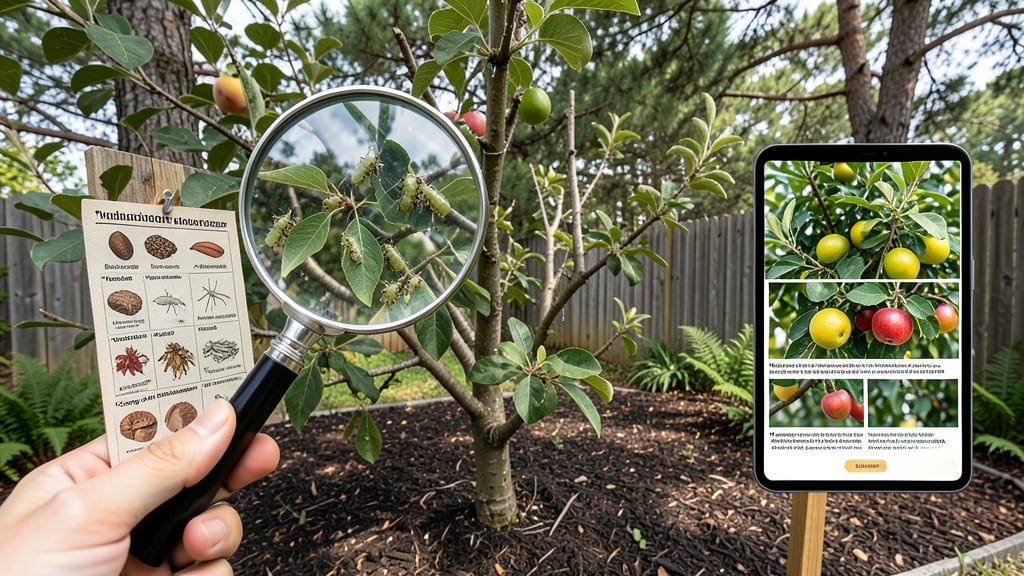
Spotting those tiny holes in your peach leaves or sticky residue on apple branches can turn a sunny afternoon into a gardener's nightmare. 🌿 Fruit tree pest identification isn't about memorizing Latin names—it's about learning what damage looks like so you can act fast before your harvest suffers.
I've spent years tracking down these culprits, from the telltale webbing of spider mites to the sawdust-like frass of borers, and I'm sharing the visual clues that save fruit trees every season.
The key is matching symptoms to suspects: chewed leaves? Likely caterpillars or beetles. Sticky sap? Aphids or scale. Tiny white specks? Probably mites. Grab a magnifying glass and inspect the undersides of leaves, new growth, and bark crevices—those are where pests hide.
Most infestations start small, so catching them early means you'll be pruning a few branches instead of losing your whole tree.
What you'll discover is a pattern: pests leave distinct signatures. Borers tunnel under bark, leaving D-shaped exit holes; leaf miners create winding trails between leaf layers.
Once you recognize these visual red flags, you'll know whether to blast water on aphids, introduce beneficial insects, or call in reinforcements for stubborn cases. The good news? Most fruit tree pests have natural predators already in your yard.
This isn't about panic—it's about empowerment. With these identification skills, you'll stop guessing and start solving. The next time you see suspicious damage, you'll know exactly who's responsible and how to respond before it becomes a full-blown crisis. Let's get those trees healthy again.
📚 In This Guide
- What you need
- Instructions
- Tips and common mistakes
- Wrapping up and next steps
What you need
- ● Hand lens or magnifying glass (10x magnification recommended) – 💡 Critical for spotting tiny eggs, larvae, or early-stage damage.
- ● Pruning shears or sharp scissors – For collecting samples of damaged leaves, fruit, or bark.
- ● Gloves (nitrile or rubber) – Protects hands from sap, pests, and irritants.
- ● Notebook & pencil – To record observations, dates, and pest details.
- ● Digital camera or smartphone – Capture close-up images of pests, damage, and symptoms for reference.
- ● Ruler or measuring tape – Helps document the size of holes, spots, or larvae.
- ● Plastic bags or containers (5+ gallon-sized) – For transporting samples to inspect later.
- ● Insect net or aspirator – For safely capturing live pests for ID.
- ● Field guide or pest ID app (e.g., iNaturalist, PictureThis) – Instant comparisons to known pests.
- ● UV flashlight – Reveals hidden pests or webbing in low light.
- ● Spray bottle with soapy water – For rinsing off sap or debris before inspection.
- ● Label markers – To tag samples with dates/locations.
- ● Access to the fruit tree during morning hours (pests are most active and visible).
- ● Knowledge of the tree’s species and typical pests (e.g., apple codling moth, peach leaf curl).
- ● Sunny, dry weather – 🌡️ Avoid inspecting after rain, as pests may be hidden or washed away.
How to spot and identify common fruit tree pests
Pests don't announce themselves—they leave clues. Learn to read these visual signs before damage spreads.
🌿 Step 1: Examine Leaf Surfaces for Spots and Discoloration
Start with the leaves. Flip them over and check the undersides first—many pests hide there. Look for tiny yellow or brown spots that grow larger over time. These often signal fungal infections triggered by pest activity, like mites or aphids. I always check for sticky residue on leaves too—that's honeydew, a telltale sign of sap-sucking insects like aphids or scale.
If you see white, cottony patches, that's likely mealybugs. For black sooty mold growing on the spots, you're dealing with an aphid or scale infestation. Here's the thing—these signs appear gradually, so check trees weekly during growing season to catch problems early. Use a hand lens if you're new to this; it reveals details you'd miss with the naked eye.
🐛 Step 2: Search for Holes, Chewed Edges, and Missing Bites
Now move to the leaves themselves. Look for irregular holes or chewed edges—these are classic signs of caterpillars, beetles, or leaf miners. I always start at the outer canopy and work inward, since pests often start at the edges and move toward the center. For leaf miners, you'll see blister-like trails or transparent tunnels inside the leaf.
If you find notches along leaf edges, that's usually a sawfly or leafcutter bee. For large, ragged holes, suspect Japanese beetles or tent caterpillars. Pro tip: Check the ground below the tree—you'll often find frass (insect droppings) or shed skins that confirm your suspicions. Collect a few samples in a baggie for later ID if needed.
🪰 Step 3: Inspect Stems and Bark for Borer Holes and Sawdust
Get up close to the trunk and branches. Look for small, round holes about 1/8 inch wide—these are exit holes from wood-boring beetles like emerald ash borer or bark beetles. Run your fingers along the bark and feel for rough, raised tunnels under the surface. If you see sawdust-like frass around the base of the tree, that's a sure sign of borers.
For young trees, check the root flare too—some borers target the lower trunk near the soil line. If the bark feels soft or spongy when pressed, the tree may already be compromised. Here's what I do: I tap the trunk gently with a stick—if I hear a hollow sound, that's a red flag for internal damage. Note the location of any holes with a marker so you can monitor them over time.
🍎 Step 4: Check Fruit for Punctures and Gall Formation
Now examine the fruit itself. Look for tiny punctures or shallow dimples—these are often feeding sites for fruit flies, curculio weevils, or plum curculio. If you see small, hard galls on the fruit surface, that's likely fruit tree leafroller or codling moth activity. For apples and pears, check for rust-colored spots that indicate apple scab or cedar apple rust, often spread by pests.
If the fruit feels soft or mushy when pressed, it might be infested with maggots (common with stone fruits). I always slice open suspect fruit to check for larvae—it's the only way to confirm. For citrus trees, watch for scaly bark and sticky residue on fruit, which signals citrus psyllids. Remember, the earlier you catch these signs, the easier it is to treat the problem before it spreads.
⏰ Step 5: Monitor for Secondary Signs Like Webbing and Droppings
Finally, scan for silken webs in the tree canopy—these are a dead giveaway for tent caterpillars or spider mites. If you see black, tar-like droppings on leaves or fruit, that's aphid honeydew again. For scale insects, look for small, bumpy growths on branches that look like tiny shells.
Here's my final check: I shake a few branches over a white sheet of paper. If tiny insects fall out, that confirms an infestation. I also time my inspections—early morning or late afternoon when pests are most active. Keep a pest journal with dates and locations of signs; patterns help you predict and prevent future outbreaks.
Tips & tricks for fruit tree pest identification
These practical insights will help you become a pest-spotting pro—no more guessing what's attacking your trees.
Leaf Inspection Strategy: In Step 1, when checking for spots, focus on the youngest leaves first—pests often target these because they're tender and nutrient-rich. I also recommend using a white tray beneath the tree to catch falling insects or frass that might not be visible on the ground. This simple trick reveals hidden clues you'd miss otherwise.
Hole Identification Nuance: During Step 2, pay special attention to the shape of leaf damage. Japanese beetles create half-moon notches along leaf edges, while sawfly larvae leave notched, parallel cuts. For leaf miners, look for serpentine trails—if they're brown and crispy, the larvae have already pupated. This distinction helps you target treatments more effectively.
Bark Examination Technique: When inspecting stems in Step 3, use your fingernails to scrape bark gently—this reveals hidden tunnels that might not be visible to the naked eye. For young trees, check the root flare area (where roots meet trunk) first, as this is a common entry point for borers. I keep a small magnifying glass handy for close-up inspections of these subtle signs.
Fruit Inspection Pro Tip: In Step 4, if you find punctures without visible larvae, the pest may have already moved on—but the damage is still there. For stone fruits, cut open suspect fruit lengthwise to check for maggots; they often hide along the pit. I always carry a small knife and plastic bag to collect samples for positive identification.
Pro Tips for Fruit Tree Pests Identification
- These practical insights will help you become a pest-spotting pro—no more guessing what's attacking your trees.
- Leaf Inspection Strategy: In Step 1, when checking for spots, focus on the youngest leaves first—pests often target these because they're tender and nutrient-rich.
- Hole Identification Nuance: During Step 2, pay special attention to the shape of leaf damage.
Frequently asked questions
Got questions about spotting, treating, or preventing fruit tree pests? You’re not alone!
Here are some of the most common concerns—plus quick, actionable answers to keep your trees thriving.
How do I tell if my fruit tree has pests vs. natural damage?
Pest damage often has distinctive patterns like chewed leaves with ragged edges (caterpillars), tiny holes in fruit (fruit flies), or sticky residue (honeydew) (aphids). Natural damage (e.g., wind, hail) usually lacks these telltale signs. Check our visual guide for side-by-side comparisons!
When is the best time to treat fruit tree pests?
Timing is key! Treat early spring (before buds bloom) for overwintering pests like scale or mites. For summer pests (e.g., Japanese beetles), act at first sight—waiting lets infestations spiral. Fall is ideal for cleaning up debris to prevent next year’s pests. Pro tip: Neem oil works best in evening when bees aren’t active.
Are there organic ways to identify and control pests without chemicals?
Start with physical checks (shake leaves over a bucket to spot pests). Use yellow sticky traps for flying insects or row covers for early-season pests. DIY sprays like soapy water (1 tsp dish soap + 1 quart water) or garlic/chili pepper spray deter soft-bodied bugs. Learn more about plant-based repellents!
My fruit has holes—will it still be safe to eat?
It depends! Superficial holes (e.g., from fruit flies) may not affect safety but can invite rot. Deep holes or mold (from borers/fungi) mean toss it. When in doubt: Wash fruit thoroughly and inspect for slimy textures or foul smells. Store damaged fruit separately to prevent spreading spoilage.
I treated my tree last year, but pests are back—what now?
Pests build resistance! Rotate treatments (e.g., switch from chemical to organic methods). Check for missed hotspots (e.g., under bark, in crevices). Prevent recurrence by:
- Pruning for airflow (pests love dense foliage)
- Encouraging beneficial insects (ladybugs, lacewings)
- Mulching with wood chips to disrupt pest life cycles
Wrapping up and next steps
Identifying pests in your fruit trees doesn’t have to be overwhelming! By recognizing spots, holes, and chewed leaves, you’ve taken the first step toward protecting your harvest. Whether it’s aphids, borers, or mites, early detection means healthier trees and tastier fruit. 🌱
Now that you’re armed with knowledge, take action! Start by inspecting your trees regularly and applying the right treatments—organic or chemical—based on what you’ve learned. Your green thumb is closer than ever to a thriving orchard! 🍏💚