
Pruning
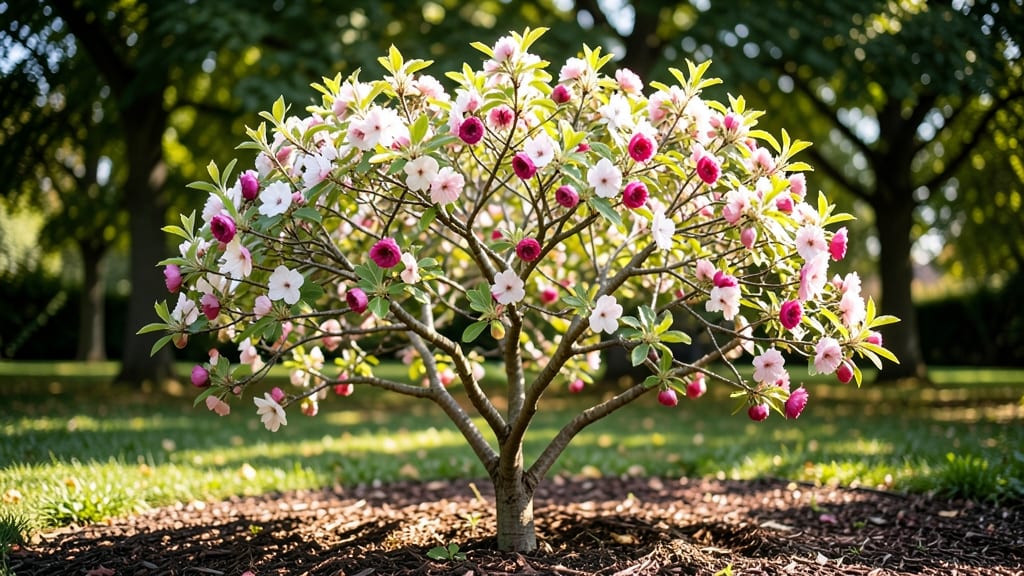
Winter is the perfect time to shape your flowering crabapple tree for next year's showstopping blooms. ✂️ Dormant season pruning removes dead wood, opens up the canopy, and sets the stage for vibrant spring flowers—without disturbing the tree's energy reserves.
The key is timing: prune after the first hard freeze but before bud break, typically between late winter and early spring. You'll need sharp pruners, a ladder (for higher branches), and a clear day to avoid spreading disease.
Focus on removing crossing branches, water sprouts, and any dead or diseased wood first. What you'll end up with is a tree that bursts into pink or white blossoms in spring, with fewer crowded branches and better air circulation.
The pruning also reveals the tree's natural structure, making it easier to spot future problem areas. For extra winter interest, leave some berries if they're disease-free—they add color and attract birds. Just avoid heavy pruning in late winter if your region has unpredictable freezes.
📚 In This Guide
- What you need
- Instructions
- Tips and common mistakes
- Wrapping up and next steps
What you need
- ● Pruning shears (bypass or anvil type) – Choose sharp, high-quality shears (4-6 inches) for clean cuts on small branches.
- ● Loppers – For branches ½ to 1½ inches thick (look for bypass-style for precision).
- ● Pruning saw – A curved-tooth saw for thick branches (1½+ inches)—avoid dull blades to prevent tearing.
- ● Gloves (cut-resistant) – Protect your hands from thorns and rough bark (look for gardening or pruning gloves with reinforced palms).
- ● Disinfectant (70% isopropyl alcohol or bleach solution) – Clean tools between cuts to prevent disease spread (1 part bleach to 9 parts water).
- ● Rag or paper towels – For wiping tools and hands.
- ● Ladder (if needed) – A stable, extendable ladder (or step stool) for reaching higher branches—never stand on the tree!
- ● Trash bags or bucket – For collecting pruned branches and debris.
- ○ Marking twine or flags – Optional but helpful for tagging branches to remove (use bright-colored twine for visibility).
- ● Hand pruners with a crimping seal – Reduces sap bleeding on cuts (great for crabapples!).
- ● Tree wound paint – Controversial but useful for large cuts—use sparingly if desired (follow USDA guidelines).
- ● Safety glasses – Protects eyes from debris, especially if using a saw.
- ● Knee pads – For comfort if you’ll be kneeling or working on the ground.
- ● Notebook & pen – To sketch a pruning map of your tree’s structure before cutting.
Step-by-Step guide to pruning your flowering crabapple in winter
Winter's the perfect time to shape your tree—here's how to do it right for stunning spring blooms.
✂️ Step 1: Gather the Right Tools and Safety Gear
Start by grabbing your sharp pruning shears (for branches under ½ inch thick) and loppers (for thicker branches). A pruning saw handles any branches larger than 2 inches in diameter. I always wear thick gloves and safety goggles—those branches can snap back unexpectedly.
Check your tools first. Dull blades tear bark instead of making clean cuts, which invites disease. Wipe them down with rubbing alcohol to sterilize them before you begin. Work on a dry day when temperatures are above 40°F—cold, wet wood is harder to cut cleanly and can splinter.
✂️ Step 2: Remove Dead, Diseased, or Damaged Branches First
Scan your tree for branches that are completely brown, hollow, or cracked. These are dead and need removal. Cut these branches back to the nearest healthy bud or branch collar—the swollen area where the branch meets the trunk. This prevents unsightly stubs and helps the tree heal faster.
Look for branches with mushroom growths, oozing sap, or peeling bark. These are signs of disease. Cut these out completely, then sterilize your tools again with rubbing alcohol. Don't leave any diseased wood behind—it can spread to healthy parts of the tree.
🌿 Step 3: Thin Out Crowded Branches for Better Airflow
Next, focus on branches that are rubbing against each other or growing too close together. These compete for sunlight and nutrients, weakening both. Remove about 20-30% of the tree's total branches to open up its center. Start from the inside and work your way out—this improves airflow and reduces the risk of fungal diseases.
When thinning, make your cuts just outside the branch collar. Angle the cut slightly downward to prevent water from pooling on the wound. You'll see a slight swelling where the branch meets the trunk—this is your target. Avoid cutting flush with the trunk, as this can damage the tree's protective layers.
☀️ Step 4: Shape the Tree for Balance and Light Exposure
Step back and assess the tree's overall shape. Look for branches that are growing inward or crossing over others—these should go. Aim to create an open, vase-like shape that allows sunlight to reach the center. Flowering crabapples bloom best when they get plenty of light, so don't be shy about pruning to improve airflow and sunlight penetration.
Focus on removing branches that are growing straight upward. These are called "water sprouts" and take energy away from the tree's structure. Cut them back to a lateral branch or bud that's growing outward. This encourages a more natural, rounded shape and ensures your tree's energy goes toward producing those beautiful spring blooms.
⏰ Step 5: Clean Up and Monitor Your Tree
After pruning, rake up all the debris and dispose of it properly—don't leave it at the base of the tree. This prevents pests and diseases from taking hold. A quick spray of copper fungicide (optional but helpful) can give your tree an extra layer of protection against fungal spores that might be lurking in the pruned branches.
Keep an eye on your tree over the next few weeks. If you see any signs of stress—like wilting leaves or unusual discoloration—it might be reacting to the pruning. Water deeply if the weather turns dry, and avoid fertilizing until new growth appears in spring. Your tree is now set up for a spectacular bloom season!
Tips & tricks for pruning your flowering crabapple in winter
Winter's the perfect time to transform your tree—here's how to avoid common mistakes and get it right the first time.
Tool Prep is Non-Negotiable: I can't stress this enough—sterilizing your tools between cuts in Step 1 prevents disease spread. Use rubbing alcohol on every tool before you begin, especially when moving from diseased branches to healthy ones. Cold wood is harder to cut, so work on days above 40°F for cleaner cuts that heal better. Trust me, this small step saves hours of cleanup later.
Look for Hidden Signs of Disease: In Step 2, don't just focus on obviously dead branches. Scratch the bark on suspicious branches—healthy bark should be green underneath. If you see black streaks or oozing sap, that's a red flag. Cut these branches back to the branch collar and sterilize your tools immediately. I've seen trees recover beautifully when you catch disease early, but neglected spots can turn into permanent damage.
Thinning is an Art, Not a Science: When you're removing 20-30% of branches in Step 3, focus on creating light pathways through the center of the tree. Imagine sunlight streaming through—every branch should let light reach the center. Start with the smallest branches first, as they're easier to remove and make the biggest difference in airflow. This isn't about removing branches randomly; it's about strategic placement for maximum bloom potential.
Shape with Purpose: In Step 4, resist the urge to make your tree perfectly symmetrical. Flowering crabapples naturally grow in a slightly irregular shape, and that's what makes them beautiful. Instead of focusing on perfect balance, aim for an open, vase-like structure. Cut water sprouts back to outward-facing buds to encourage that natural, rounded silhouette. The goal is to make the tree look like it belongs in your landscape, not like it was sculpted.
Pro Tips for Flowering Crabapple Tree In Winter
- Winter's the perfect time to transform your tree—here's how to avoid common mistakes and get it right the first time.
- Tool Prep is Non-Negotiable: I can't stress this enough—sterilizing your tools between cuts in Step 1 prevents disease spread.
- Look for Hidden Signs of Disease: In Step 2, don't just focus on obviously dead branches.
Frequently asked questions
Got questions about keeping your flowering crabapple tree healthy during winter? Here are some common ones—and their answers—to help you prune with confidence!
When is the best time to prune a flowering crabapple tree in winter?
Prune your tree between late winter and early spring (just before buds swell but before blooming). This timing ensures you don’t remove next year’s flowers while avoiding winter stress. Aim for January to February in most climates for optimal results.
Can I prune a flowering crabapple tree if it’s covered in snow or ice?
Wait until the snow melts and the ground thaws before pruning. Wet conditions can make cuts messy, and frozen branches may break unexpectedly. If you must trim in cold weather, do it on a dry, above-freezing day for safety and precision.
What if I accidentally cut off a flower bud instead of a branch?
Don’t panic! Flower buds are small and often overlooked. If you’ve removed a few by mistake, your tree will still bloom—just possibly with slightly fewer flowers. Focus on removing dead, crossing, or overly dense branches to prioritize the tree’s health.
Are there any winter-specific pruning mistakes to avoid?
Yes! Avoid:
- Over-pruning—never remove more than 25% of the tree’s foliage in one season.
- Leaving stubs—always cut back to a bud or branch collar for proper healing.
- Pruning after a hard frost—wait until temps stabilize to prevent shock.
What’s a good alternative if my flowering crabapple tree doesn’t bloom well after pruning?
If blooms are sparse, check for nutrient deficiencies (add compost or fertilizer in early spring) or pests/disease (inspect for signs like holes or discoloration). You could also consider pollinator-friendly companion plants (like early-blooming bulbs) to support pollinators and encourage healthier growth.
Wrapping up and next steps
Winter is the perfect time to give your flowering crabapple tree the care it needs for stunning spring blooms!
By pruning during its dormant season, you’re not just shaping its growth—you’re inviting a future full of vibrant flowers and healthy foliage. 🌸 Whether you’re a seasoned gardener or just starting out, a little effort now will reward you with breathtaking results.
Ready to transform your yard? Grab your tools, follow the steps, and get pruning! Your crabapple tree—and your future spring garden—will thank you.