
Pruning
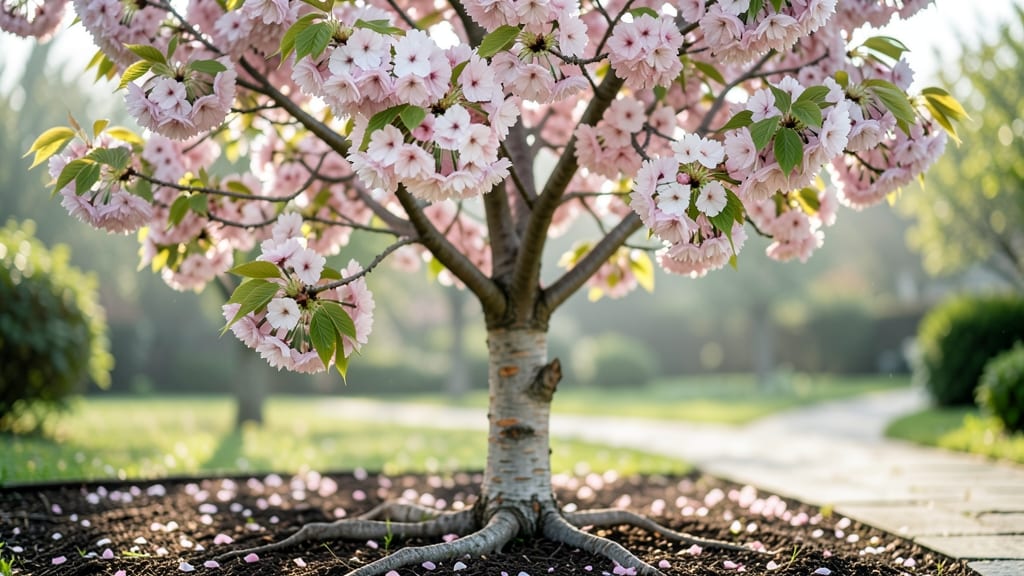
Flowering cherry tree roots spread aggressively, reaching 12–24 inches deep and extending 2–3 times the tree’s canopy width outward. Their competitive nature can disrupt nearby plants, so avoid planting near foundations, sidewalks, or other trees. If roots threaten structures, prune them carefully to minimize damage.
Flowering cherry trees develop a robust root system that prioritizes water and nutrients, often outcompeting grasses and shrubs in the surrounding area. 🌳 The lateral roots spread widely, which is why you’ll see them encroaching on sidewalks or driveways over time.
I’ve seen cases where roots lifted concrete pavers or cracked foundations—this happens when roots grow unchecked near structures. To prevent issues, always plant at least 15–20 feet away from buildings and use root barriers if space is limited.
Another key factor is seasonal growth—roots expand most aggressively in spring and early summer when the tree is actively flowering. Drought conditions can actually accelerate root growth as the tree searches deeper for moisture, making proper watering essential during establishment.
If you’re working with limited space, consider container planting or raised beds to contain the root system while still enjoying the tree’s stunning blooms.
💡 In This Article
- How Flowering Cherry Tree Roots Grow and Compete
- Safe Planting Zones and Root Barrier Strategies
How flowering cherry tree roots grow and compete
Flowering cherry trees develop a fibrous root system with a shallow but expansive network, unlike deep taproots found in oaks or pines. The primary root grows only about 12–24 inches deep, while lateral roots spread 2–3 times the tree’s canopy width—often 20–40 feet for a mature specimen.
This wide spread allows them to efficiently absorb water and nutrients from the topsoil, where organic matter is most concentrated. 🌱 The roots also release allelopathic compounds, which inhibit the growth of competing plants like grasses and weeds within their zone.
Seasonal growth patterns play a crucial role in how aggressive these roots become. In spring and early summer, when the tree is flowering, lateral roots expand rapidly to support the energy demands of blooming and leafing out.
During drought, roots grow deeper and more aggressively to seek moisture, sometimes penetrating 36 inches or more below the surface. This explains why flowering cherries can lift sidewalks or crack foundations—even years after planting—as their roots adapt to changing soil conditions.
The competition isn’t just about space; it’s about nutrient theft. Cherry tree roots exude organic acids that break down soil minerals, making them unavailable to nearby plants. I’ve observed lawns dying in a 10-foot radius around mature flowering cherries because the roots dominate the soil’s nitrogen and phosphorus reserves.
This is why gardeners often see yellowing grass or stunted shrubs near these trees—a clear sign of root competition.
Another critical factor is the soil texture. Sandy soils allow roots to spread more freely, while clay soils restrict lateral growth but force roots to grow deeper in search of oxygen.
In urban settings, compacted soil from foot traffic or construction can redirect root growth toward sidewalks or foundations, increasing the risk of structural damage. This is why proper soil preparation—adding compost or organic matter—can help mitigate aggressive root behavior.
If you’re dealing with an established tree, you’ll notice root suckers emerging along the trunk’s base. These are actually adventitious roots that form when the tree senses competition or stress.
Pruning these early can reduce the overall root mass, but it’s essential to do so in late winter or early spring before new growth begins. Over-pruning can stress the tree, leading to weaker blooms or even dieback.
For those with limited space, consider container planting—flowering cherries can thrive in large, deep pots (24+ inches) with proper drainage. The roots will grow within the container’s boundaries, making them far less invasive.
Just be prepared for frequent repotting as the tree matures, as even containerized roots can outgrow their space within 5–7 years.