
Pruning
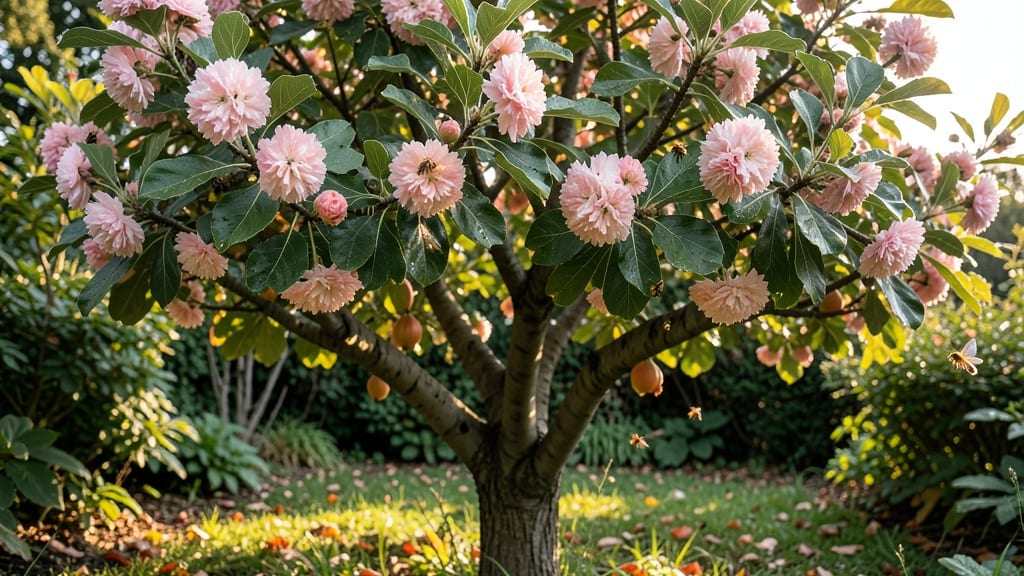
Zone 7 gardeners can enjoy sweet, homegrown figs with these 10 fast-bearing varieties—perfect for early harvests and mild winter conditions. Learn which types thrive best in your climate and when to expect your first fruit.
Celeste Fig Tree for Cold Hardiness
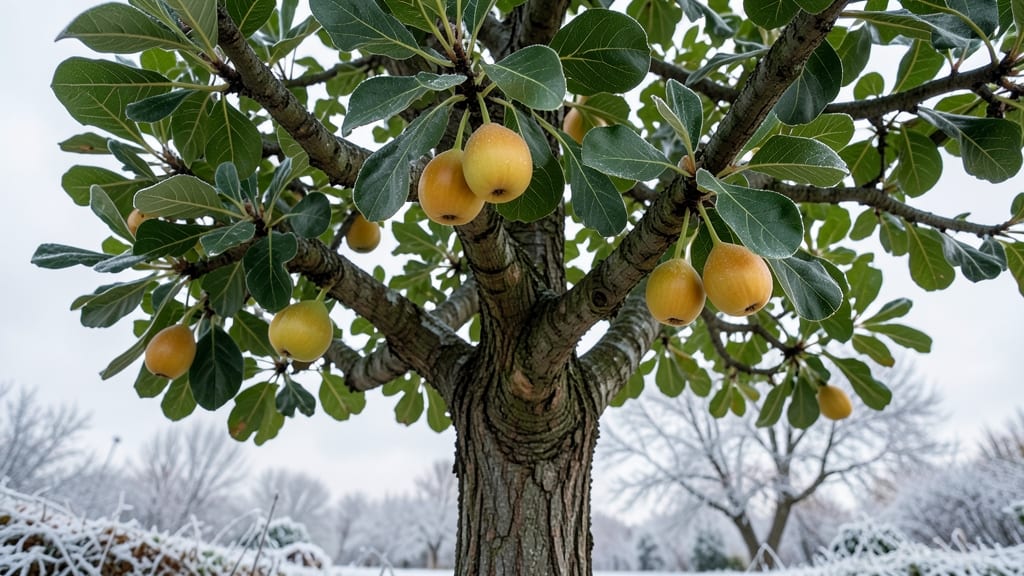
Tired of fig trees struggling through Zone 7 winters? The Celeste fig tree thrives where others fail, producing sweet fruit even after light frosts. This cold-hardy variety is your best bet for reliable harvests with minimal fuss.
With a 15-20°F tolerance, Celeste survives occasional Zone 7 frosts without heavy winter protection. Plant in well-draining soil with 6-8 hours of sun daily for optimal fruit production. Young trees benefit from a simple mulch layer to regulate soil temperature.
Perfect for beginners, Celeste delivers consistent yields with minimal care—ideal for gardeners who want homegrown figs without the hassle of winter wraps. 🌱
Brown Turkey Fig Tree for Heavy Yields
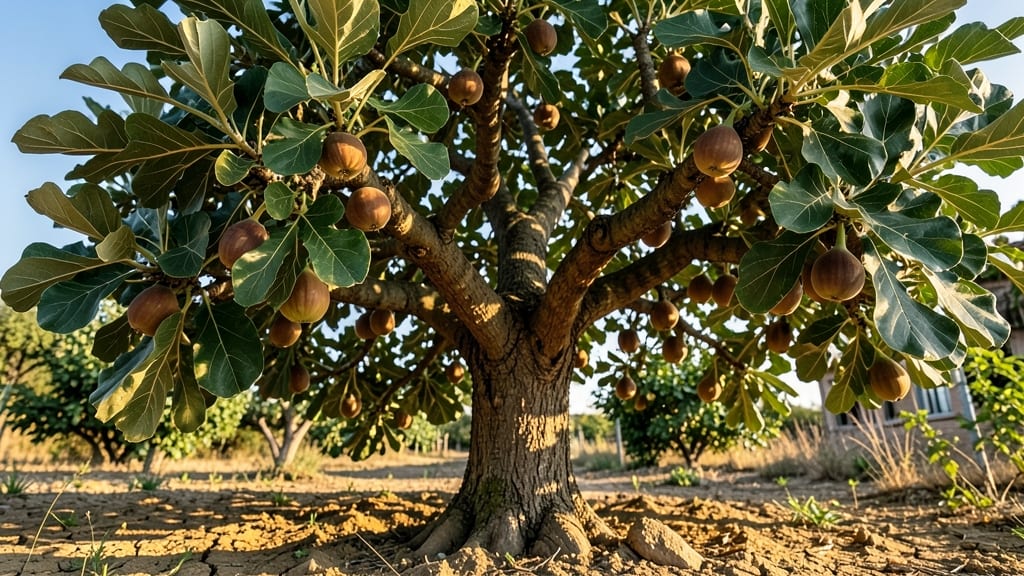
If you're craving a fig tree that delivers consistent, abundant harvests without the fuss, the Brown Turkey variety is your best bet for Zone 7’s hot summers. This classic American fig thrives in heat and drought, making it a standout performer for gardeners who want reliable yields with minimal effort.
Expect large, sweet figs—often weighing over an ounce each—that ripen from late summer through fall, perfect for fresh snacking or drying. The drought-tolerant roots also make it ideal for water-conscious gardeners, while its fast growth means you’ll see fruit in just 2-3 years. Plant it in full sun with well-draining soil, and watch it reward you with heavy, continuous harvests year after year.
This variety is especially great for home cooks, homesteaders, or anyone who loves fresh fruit—it’s a workhorse that keeps giving. 🌻
Little Miss Figgy for Compact Growth
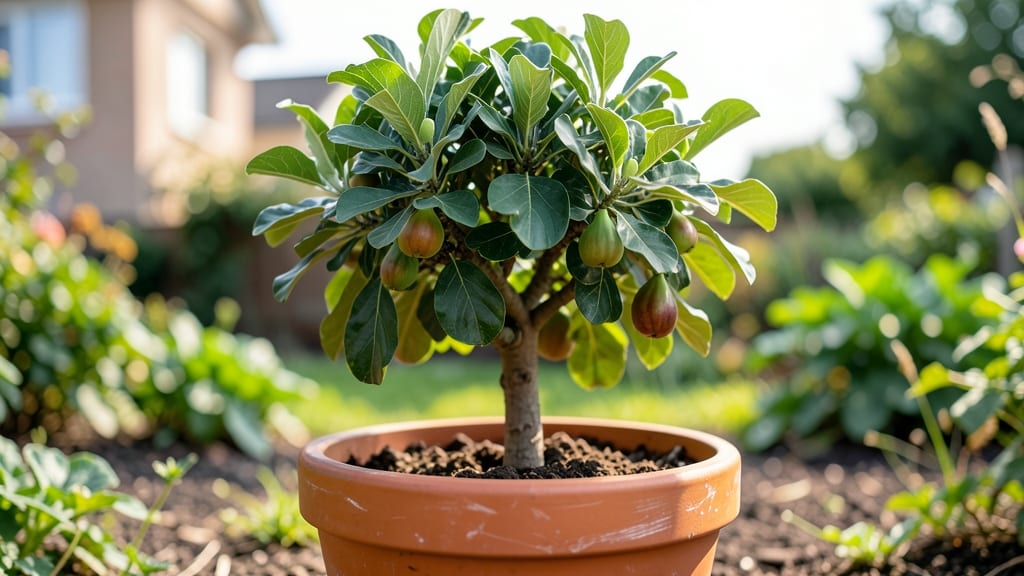
If your garden space is limited but you crave fresh figs, Little Miss Figgy is the perfect solution. This dwarf variety grows just 3-4 feet tall, making it ideal for containers, balconies, or small yards while still producing sweet, homegrown fruit.
Unlike larger fig trees, Little Miss Figgy bears fruit in just 1-2 years with minimal care—thrive in full sun (6+ hours daily) and well-draining soil. Its compact size means no pruning headaches, and it’s just as productive as its full-sized cousins. Perfect for urban gardeners or those with limited outdoor space!
This variety proves that big flavor doesn’t require big space—ideal for beginners or anyone short on yard real estate. 🌱
Desert King Fig Tree for Early Harvests
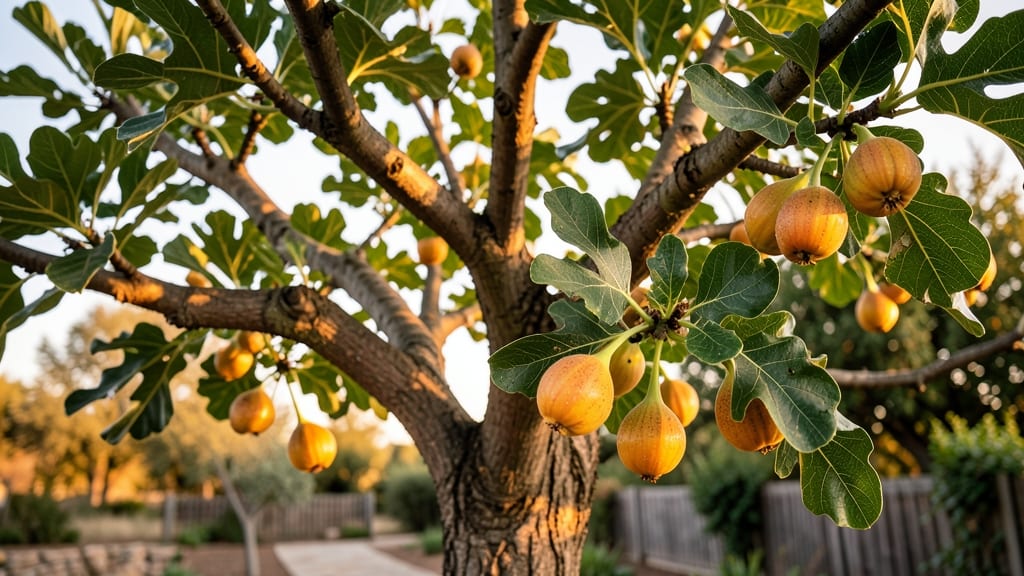
If you're craving fresh figs before summer even settles in, the Desert King fig tree is your secret weapon. Unlike other varieties that wait until late summer, this fast grower delivers sweet, golden-orange figs as early as July in Zone 7, giving you a head start on harvests.
This variety thrives in full sun (6+ hours daily) and tolerates dry spells once established, making it ideal for low-maintenance gardeners. The minimal pest issues mean fewer worries about fig wasps or leaf spot—just focus on enjoying your early bounty. Plant in well-draining soil and watch it mature quickly, often bearing fruit within 2-3 years of planting.
Perfect for gardeners who want fast rewards without the fuss, the Desert King is especially great for small yards or container growing. 🌻
Violette de Bordeaux Fig Tree for Unique Color
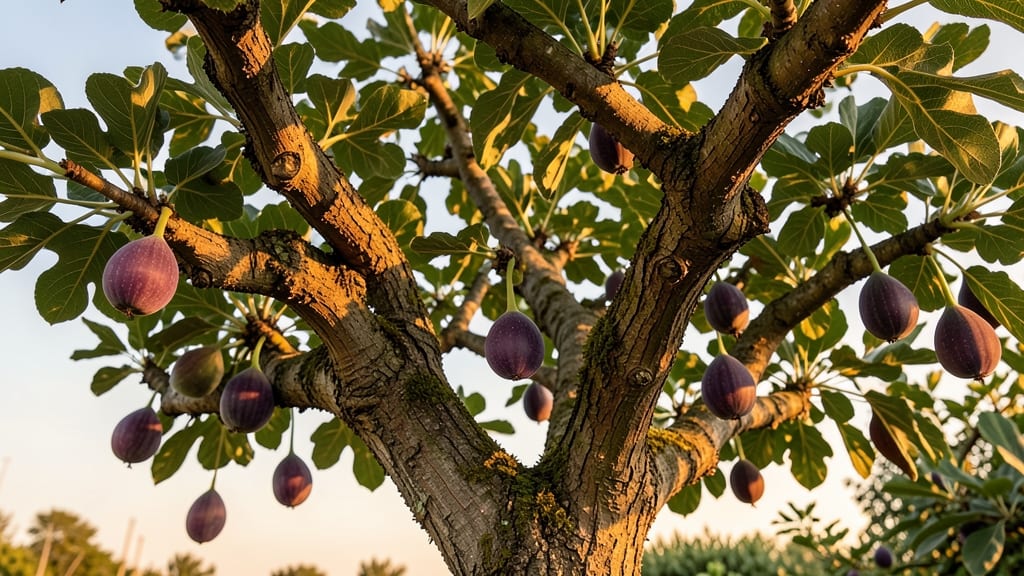
Want a fig tree that doubles as a conversation piece? The Violette de Bordeaux delivers with its stunning purple-skinned figs—a rare and visually striking variety that thrives beautifully in Zone 7. These figs aren’t just showstoppers; they offer a rich, honey-like flavor that elevates gourmet dishes or fresh snacking.
This variety requires full sun (6-8 hours daily) and well-draining soil to prevent rot, but its drought tolerance makes it low-maintenance once established. The deep purple hue of the fruit contrasts beautifully with its glossy green leaves, making it ideal for ornamental gardens. Prune lightly in late winter to encourage air circulation and fruit production.
Perfect for gardeners who love both beauty and flavor, the Violette de Bordeaux adds a touch of elegance to any landscape while rewarding you with delicious harvests. 🌻
Osborn Prolific Fig Tree for Disease Resistance
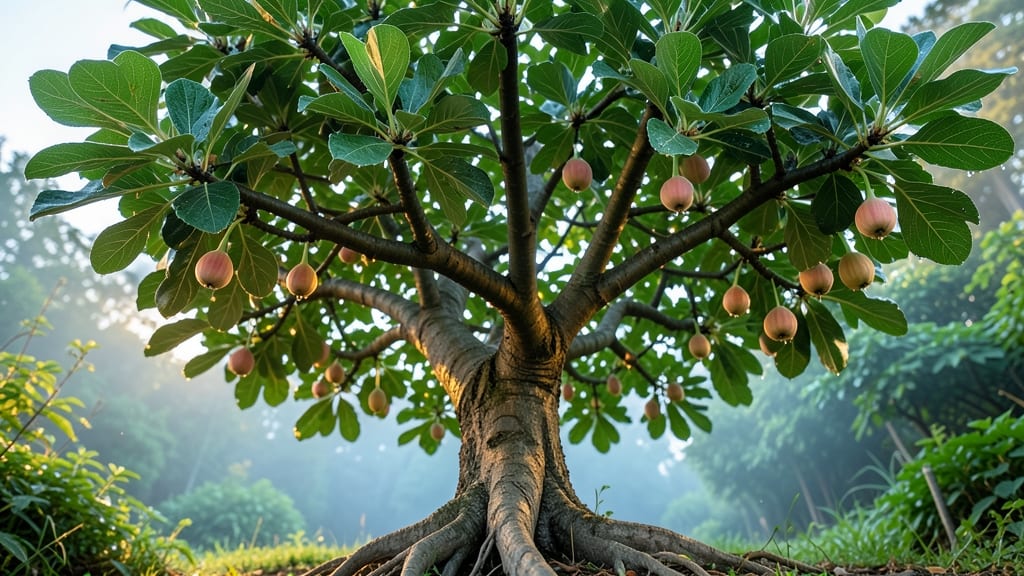
If you’ve struggled with fig trees succumbing to humidity-related diseases in Zone 7, the Osborn Prolific variety is your solution. This hardy fig thrives in damp summers while resisting common fungal issues like root rot and leaf spot, making it a low-maintenance powerhouse for fruit production.
Known for its disease-resistant foliage and prolific fruit set, this variety produces large, sweet figs with minimal care—ideal for gardeners who want reliability over fussiness. Plant it in well-draining soil with full sun (6+ hours daily) and prune lightly after harvest to encourage next year’s crop. Its self-pollinating nature means no need for cross-pollination, simplifying the process even further.
Perfect for gardeners in humid climates or those prone to plant diseases, this fig delivers abundant harvests with less stress. 🌱
Black Mission Fig Tree for Drying
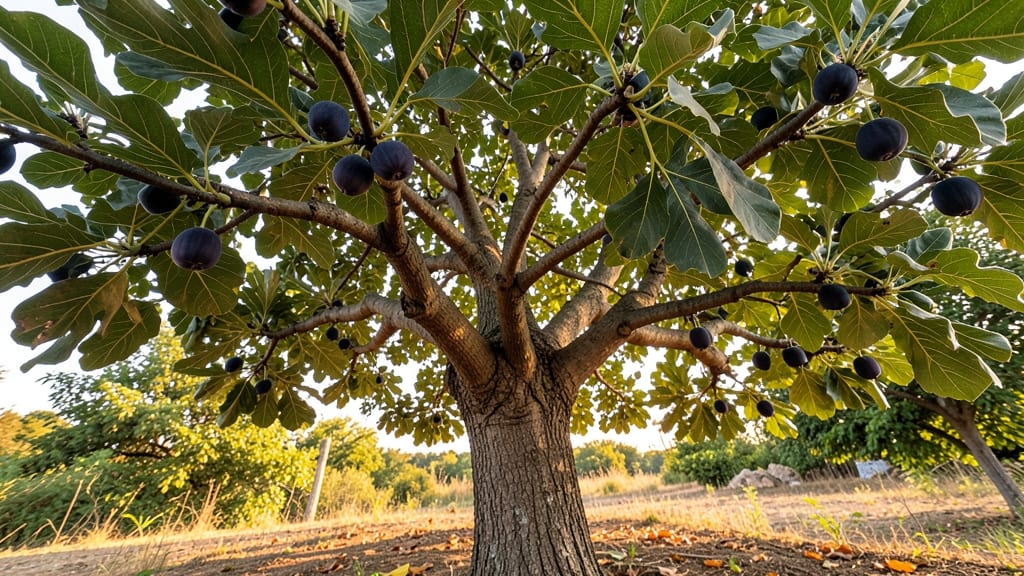
If you love the idea of homegrown figs but struggle with inconsistent harvests, the Black Mission fig tree delivers reliable, deep-flavored fruit that excels for both fresh eating and drying. This classic variety thrives in Zone 7’s heat while requiring minimal water once established, making it a low-maintenance superstar for drought-prone gardens.
The sweet, honey-like flavor intensifies when dried, creating a perfect snack or baking ingredient. Plant in full sun with well-draining soil and space trees 15-20 feet apart to allow for their eventual 15-foot height. Prune lightly in late winter to remove dead wood and open the canopy for better airflow and fruit exposure.
This variety is especially rewarding for gardeners who want long-term fruit production with minimal fuss. Once mature, it produces abundant crops that store well for months, making it a staple for any serious fig enthusiast. 🌻
Chicago Hardy Fig Tree for Urban Gardens
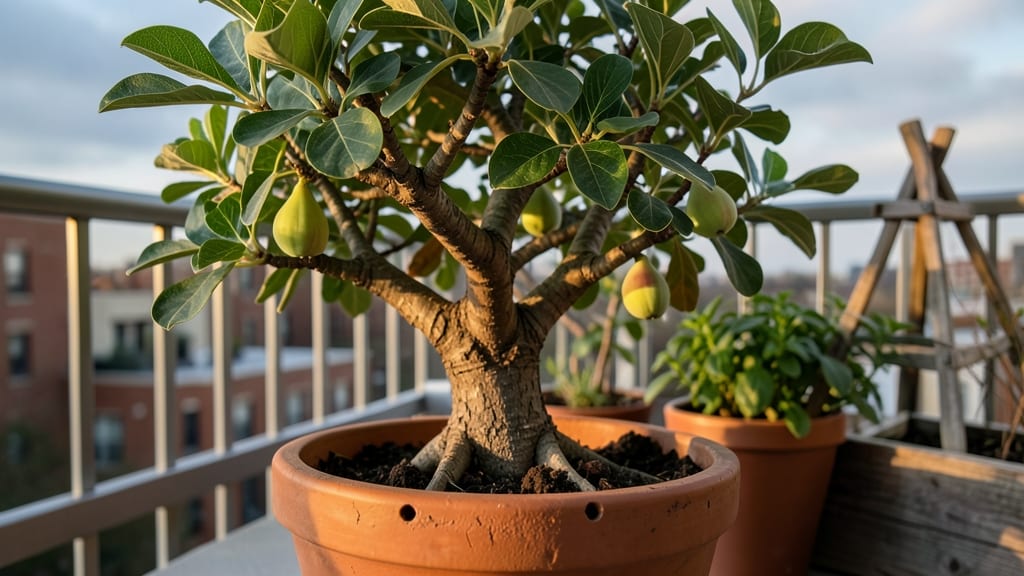
If you’re dreaming of homegrown figs but lack space or worry about Zone 7’s winters, the Chicago Hardy fig tree is your solution. This cold-tolerant variety thrives in containers or small urban yards, making it perfect for balconies, patios, or tight garden plots.
Unlike traditional figs, Chicago Hardy can handle brief temperatures down to 10°F, though young trees benefit from winter wraps or mulch. Plant in well-draining soil with 6+ hours of sun and water deeply once established—its roots are surprisingly drought-resistant. Expect sweet, medium-sized figs by late summer, with minimal pest issues compared to other varieties.
This fig is ideal for city dwellers, renters, or beginners who want reliable fruit without the fuss of large garden beds. Just move pots indoors or to a sheltered spot during harsh winters for stress-free growing. 🌱
Alma Fig Tree for Dual Harvests
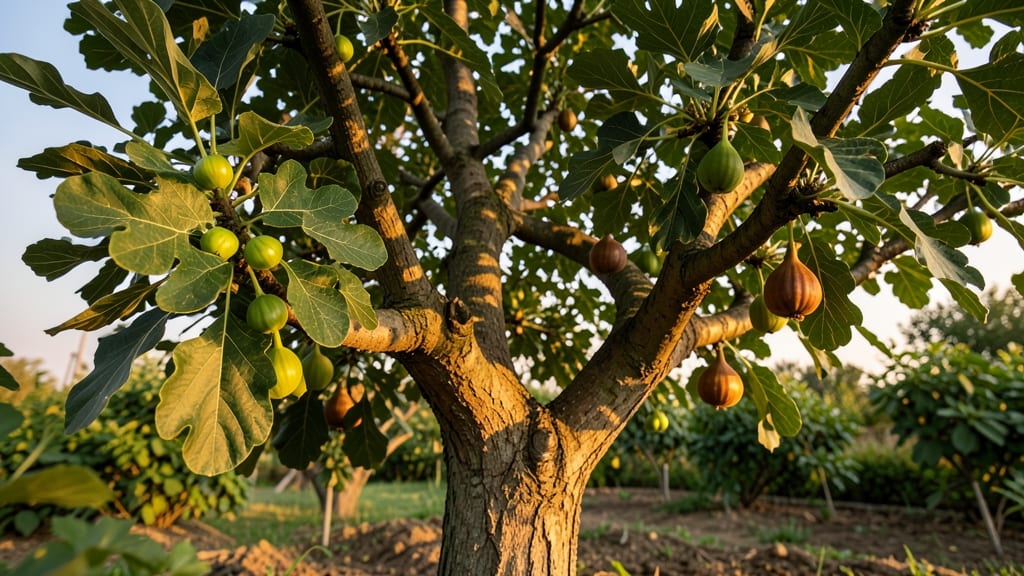
Tired of single-season harvests? The Alma fig tree delivers a double harvest—small, sweet green figs in summer followed by larger, rich brown figs in fall. This unique variety keeps your fruit bowl stocked for months without extra effort.
Plant in full sun with well-draining soil, and expect your first crop within 2-3 years. The tree handles Zone 7’s humidity well but benefits from winter mulch to protect roots. Prune lightly after harvests to encourage next season’s fruit production.
Perfect for gardeners who want extended fresh figs without replanting—ideal for families or those who love sharing homegrown treats. 🌻
Panache Fig Tree for Pollinator-Friendly Gardens

Turn your Zone 7 garden into a buzzing pollinator paradise with the Panache fig tree—a dual-purpose beauty that feeds both you and beneficial insects. This variety’s delicate, pink-tinged flowers act as a magnet for bees and butterflies, while its sweet, amber-hued figs ripen later in the season, offering a late-summer treat.
Plant Panache in well-draining soil with full sun exposure (at least 6 hours daily) for optimal fruit production and pollinator activity. Unlike many figs, it thrives in Zone 7’s heat without needing extra watering once established, making it low-maintenance yet high-impact. The tree’s compact growth habit (reaching 10-15 feet) fits snugly in borders or as a focal point near pollinator-friendly perennials.
Perfect for eco-conscious gardeners, the Panache fig tree transforms your space into a functional food source while supporting local wildlife. 🌟