
Trees
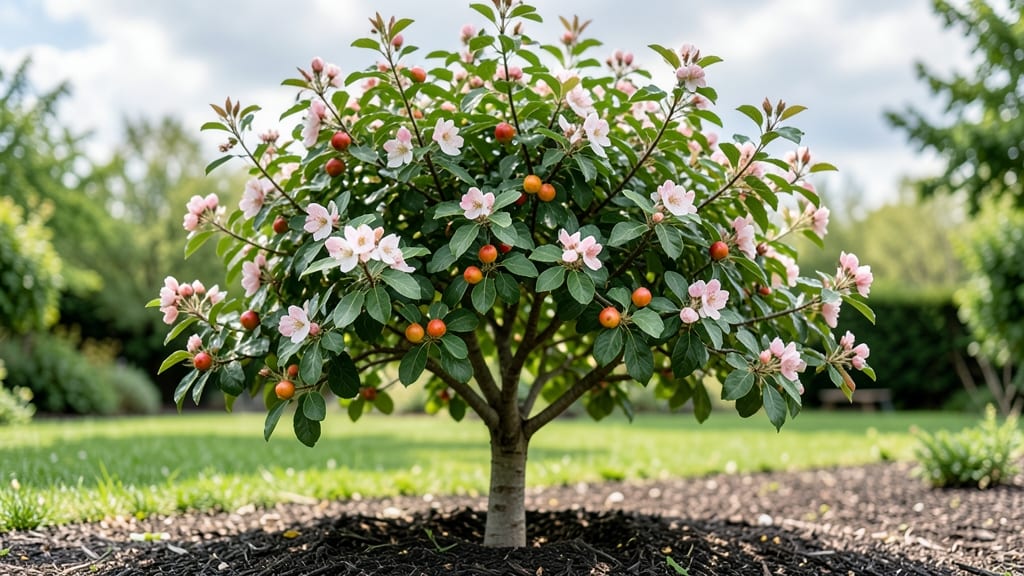
A non-fruit-bearing crabapple tree may struggle with blooming due to immaturity, pollination issues, environmental stress, or improper pruning. To encourage fruit growth, focus on balanced fertilization, full sunlight exposure, and supporting cross-pollination with compatible varieties.
If your non-fruit-bearing crabapple tree isn't producing fruit, the first step is checking its age—most varieties need 3-5 years to mature enough for consistent blooms. 🌳 Environmental factors like poor soil nutrition or extreme temperatures can also disrupt flowering.
I've found that adding a layer of compost in early spring often jumpstarts growth, while ensuring 6+ hours of sunlight daily is critical. Another common issue is lack of pollinators—planting nearby bee-friendly flowers can make a surprising difference.
For established trees, late-winter pruning promotes better bloom production by removing dead wood and opening the canopy. If you notice sparse blooms, consider testing soil pH—crabapples prefer slightly acidic conditions (pH 5.5-6.5). The key is combining proper care with patience; even healthy trees may take 1-2 seasons to respond fully.
💡 In This Article
- Why Your Crabapple Tree Isn’t Producing Fruit
- Step-by-Step Guide to Revitalizing Crabapple Fruit Growth
Why your crabapple tree isn’t producing fruit
Crabapple trees often fail to produce fruit because they haven't reached their mature flowering stage. Most varieties require 3-5 years of growth before establishing a robust bloom cycle. The tree's energy focuses on root and trunk development during these early years, delaying fruit production.
Even after maturity, inconsistent blooming can occur if the tree experiences nutrient deficiencies, particularly nitrogen and phosphorus, which are critical for flower bud formation. 🌸
Pollination failure is another major factor. Crabapple trees often rely on bees and other insects to transfer pollen between flowers. If your tree lacks nearby pollinators or is planted in isolation, fertilization won't occur. Some varieties are self-pollinating, but they still produce 20-30% fewer fruits compared to cross-pollinated trees.
Additionally, environmental stressors like extreme heat waves or prolonged drought can cause flower buds to drop before pollination happens. I've observed that trees in urban areas with poor air quality often struggle with reduced blooming due to pollen viability issues.
Soil quality plays a surprising role in fruit production. Crabapples thrive in well-draining soil with a pH between 5.5-6.5. If your soil is too alkaline (pH above 7.0), the tree may absorb fewer essential nutrients like iron and zinc, which are vital for flower development.
Compacted or waterlogged soil can also restrict root growth, leading to reduced energy reserves for blooming. A simple soil test can reveal these imbalances, allowing you to amend the soil with organic matter or sulfur to lower pH levels.
Pruning mistakes often go unnoticed but can significantly impact fruit production. Removing too many branches during the growing season diverts the tree's energy away from flower bud formation. The best time to prune is in late winter or early spring, before new growth begins.
Over-pruning can also expose the tree to sun scald, where bark is damaged by intense sunlight, further stressing the tree. I recommend removing only 10-15% of the canopy per year to maintain a healthy balance. 🌿
Water stress is another silent killer of fruit production. While crabapple trees are somewhat drought-tolerant, they still need 1-1.5 inches of water weekly during dry spells. Inconsistent watering can cause the tree to prioritize survival over fruit development.
Deep watering—penetrating 12-18 inches into the soil
Finally, disease and pest infestations can sabotage fruit production. Fungal diseases like apple scab or bacterial infections can weaken the tree, reducing its ability to produce flowers. Regular inspections for signs of pests (such as aphids or spider mites) and early treatment with organic sprays can prevent these issues. A healthy tree is far more likely to produce abundant blooms and fruit. 🌺