
Trees
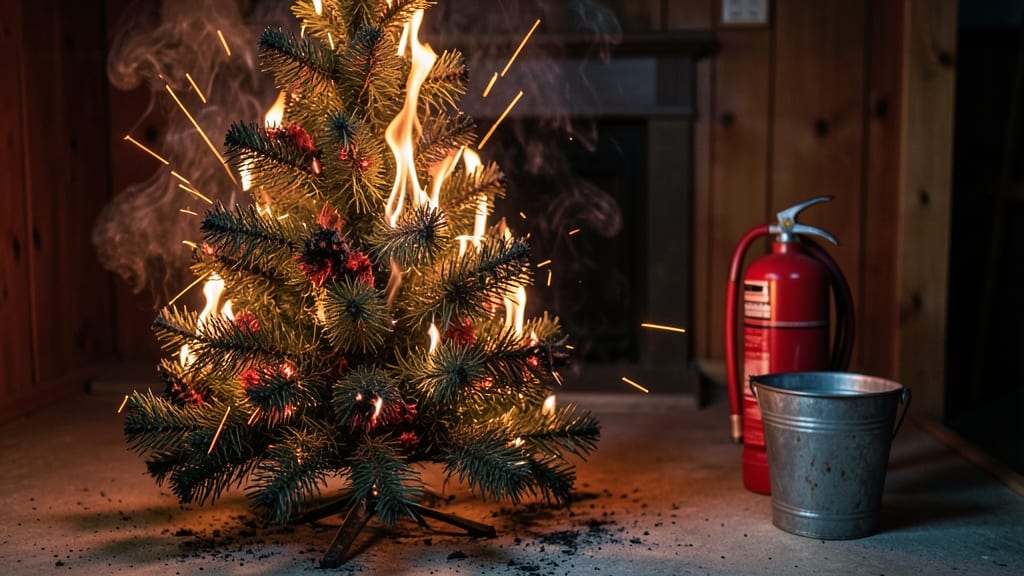
Christmas tree fire videos frequently show blazes triggered by heat sources like candles, space heaters, or malfunctioning lights placed too close to dry needles, which ignite rapidly because of the tree's natural flammable oils and resin.
These dramatic videos reveal how quickly a decorated tree can become fuel for disaster. 🔥 The combination of dry needles, pine resin, and even decorative sprays creates a highly flammable surface that ignites within minutes when exposed to heat sources.
Artificial trees eliminate this risk entirely, but even watered real trees need constant moisture to slow combustion. Many fire investigators point to lighting placement as the #1 cause—keeping strands at least 3 feet from branches makes all the difference.
Real-life cases show that space heaters left running near trees are another common trigger. The heat dries out the needles faster than watering can compensate, turning the tree into tinder.
I always recommend placing heaters at least 6 feet away from any tree surface, and never leaving them unattended during holiday decorating sessions.
💡 In This Article
- Why Christmas Trees Catch Fire So Quickly
- Preventing Christmas Tree Fires: Safety Tips from Real Cases
Why Christmas trees catch fire so quickly
Real Christmas trees are essentially giant bundles of highly flammable materials. The needles contain volatile oils and resins—like turpentine—that vaporize when heated. These compounds have flash points as low as 150°F, meaning they can ignite with minimal heat exposure.
The tree's bark and inner wood act like kindling, creating a perfect fuel source for rapid combustion. Artificial trees, made from PVC or metal, can't replicate this organic flammability, which is why they're considered safer alternatives.
What makes this especially dangerous is how quickly the fire spreads. Dry needles can ignite within 30-60 seconds when exposed to an open flame or hot surface. The resin acts like an accelerant, creating a chemical reaction that releases more heat and fuels the blaze.
In one documented case, a candle placed just 12 inches from a tree's branches caused a full fire in under 2 minutes. The tree's vertical structure also channels heat upward, rapidly engulfing the entire tree.
The moisture content plays a critical role too. Freshly cut trees contain about 35-50% water, but they lose 1% per day through evaporation. After 2 weeks, that water content can drop below 15%—the threshold where the tree becomes highly flammable.
Even properly watered trees can dry out faster when placed near heat sources like fireplaces or radiators, turning them into hidden fire hazards.
Another surprising factor is how decorations contribute. Many artificial snow sprays contain petroleum-based compounds that act as additional accelerants. Metallic ornaments can melt and drip, creating hot spots that ignite dry needles below.
Even the tree's natural oils can react with the heat from string lights, especially if the bulbs exceed 100 watts—a common issue in older light sets that many people still use today.
Fire investigators often point to the "chimney effect" as the final accelerant. As heat rises through the tree's branches, it creates a draft that pulls in more oxygen, increasing combustion speed.
This is why Christmas tree fires spread so aggressively upward—sometimes reaching 10 feet per minute—making them particularly dangerous in enclosed spaces where smoke can quickly fill a room and overwhelm occupants.
Consider this real-world comparison: A freshly cut pine tree with 40% moisture will burn at about 150°F before igniting, while a tree with 10% moisture can catch fire at just 120°F. That's the difference between a candle and a warm lightbulb becoming a fire hazard.
The science shows why even small heat sources can turn a beautiful holiday centerpiece into a catastrophic blaze within minutes.