
Pruning
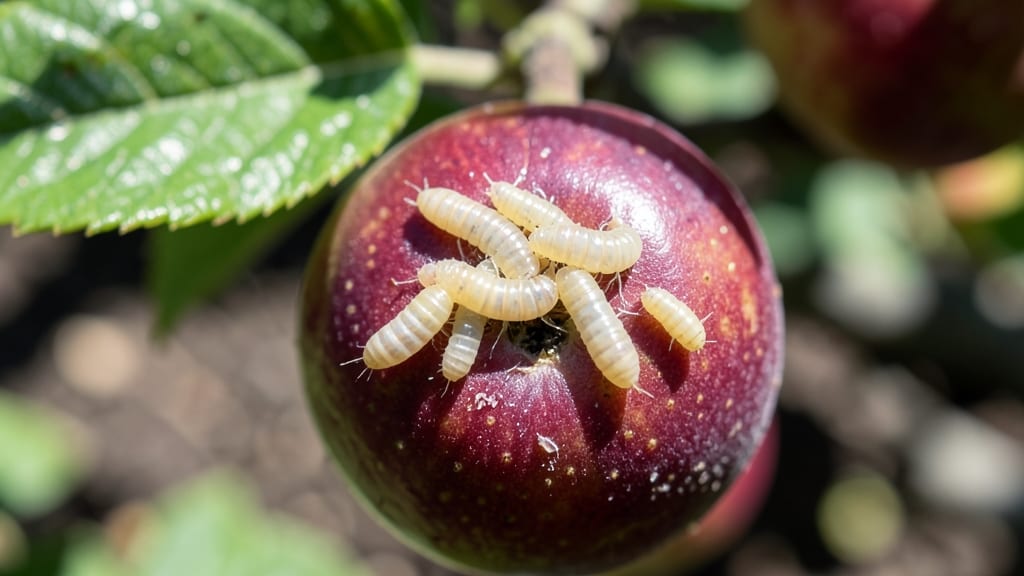
Your cherries are turning to mush before they ripen—and those tiny white grubs are the culprits. 🌿 Cherry tree maggots strike fast, but I’ve learned how to stop them without harsh chemicals.
The key is catching them early, when the damage looks like tiny tunnels in leaves or sawdust-like frass under the bark.
Most people panic and reach for sprays, but the real solution starts with pruning—removing infested branches before the maggots spread. Add neem oil or insecticidal soap in early spring, and wrap young trees in floating row covers to block adult flies. I’ve seen entire harvests saved with this approach.
By mid-summer, your tree will look healthy again—no more wilted fruit or chewed leaves. The secret is consistency: monitor weekly, prune aggressively, and repeat treatments if needed. It’s not just about saving this year’s crop; it’s about breaking the cycle for good.
Works for tart cherries, sweet cherries, and even ornamental varieties. Here’s how to make it happen without chemicals—your future harvest will thank you.
Root Causes Of Fruit Infestation
Understanding why cherry trees become a buffet for maggots starts with their life cycle—and the conditions that make your orchard a prime target. These tiny, destructive pests don’t just appear out of nowhere; they’re drawn to specific vulnerabilities in your trees and environment. Here’s a breakdown of the key triggers:
Cherry fruit flies (Rhagoletis indifferens and Rhagoletis cingulata) are the primary culprits behind maggot infestations. Adult flies lay eggs directly into developing cherries during late spring to early summer, timing their attack with fruit ripening.
Here’s how it works: - Peak Flight Period: Flies emerge when temperatures consistently reach 60–70°F (15–21°C).
Warmer springs mean earlier flights and more generations per season. - Fruit Preference: Overripe, cracked, or wounded cherries are magnet targets—flies use visual cues (like color shifts) and chemical signals (ethanol from fermenting fruit) to locate weak spots. - Multiple Generations: In warm climates, flies may produce two or three generations per year, escalating infestations if left unchecked.
Pro Tip: 🌡️ Monitor fly activity with yellow sticky traps placed at tree canopy level. Replace traps every 2 weeks to track peak emergence.
Healthy trees resist infestations better, but stress opens the door for maggots. Common stressors include: - Nutrient Deficiencies: Low nitrogen or potassium weakens fruit skins, making them easier to penetrate.
Test soil pH—ideal for cherries is 6.0–6.5. - Water Stress: Drought or overwatering disrupts fruit development. Irregular watering leads to uneven ripening, creating "soft spots" flies exploit. - Physical Damage: Hail, bird pecking, or improper pruning create entry points for eggs.
Even sunburnt fruit (common on exposed branches) becomes a magnet.
Actionable Fix: 💡 Prune strategically in late winter to improve airflow and sunlight penetration, reducing stress and fruit vulnerability.
Maggot outbreaks thrive in specific microclimates: - Humidity: High moisture (70%+ relative humidity) keeps eggs moist and speeds larval development. Rainy summers correlate with worse infestations. - Sheltered Areas: Dense foliage or orchards near wooded edges provide shade and humidity, extending fly activity.
Open, sunny orchards dry fruit faster, deterring flies. - Weeds And Debris: Ground cover like grass or leaf litter offers harbor for pupating maggots over winter. Cleanup in fall reduces next year’s fly population.
Pro Tip: ✨ Mulch strategically—use 2–3 inches of wood chips (not thick layers) to suppress weeds while allowing airflow.
Maggots target ripe or nearly ripe cherries because:
- Sugar Content: Ripe fruit has higher sugar levels, attracting flies for egg-laying.
- Firmness: Soft fruit is easier to penetrate. Harvest promptly when cherries reach peak firmness (usually 70–80% color change).
- Delayed Harvests: Leaving fruit on the tree past its prime extends the fly’s feeding window, increasing damage.
Critical Step: ⏰ Stagger harvesting—pick cherries in batches every 3–5 days to remove ripe fruit before flies peak.
Maggots don’t just disappear—they overwinter in the soil as pupae.
If your orchard had maggots last year: - Pupae survive in the top 2 inches of soil until spring. - Adult flies emerge when soil temps hit 50°F (10°C). - Unmanaged orchards can see 80%+ fruit loss in subsequent years.
Long-Term Solution: 🔥 Rotate organic controls (e.g., kaolin clay in spring + beneficial nematodes in fall) to break the cycle.
Healthy ecosystems have natural checks on maggot populations, but monoculture orchards disrupt this balance.
Key predators include: - Parasitic Wasps (Pachycrepoideus vindemmiae): Lay eggs inside maggot larvae, killing them. - Birds: Robins and starlings eat adult flies and larvae. - Ground Beetles: Feed on pupating maggots in the soil.
Boost Biodiversity: 🌿 Plant companion crops (e.g., clover or wildflowers) to attract predator species near your cherry trees.
Practical Fixes for Wormy Fruit
Now that you understand why those pesky larvae are invading your cherries, let’s tackle the problem with effective, organic solutions tailored to each cause. From early intervention to long-term prevention, these methods will help you reclaim your tree’s health—and its delicious harvest.
If you spot small holes, sawdust-like frass, or larvae in your fruit, act fast to minimize damage.
🍳 Remove Infested Fruit Promptly
- When: As soon as you see signs (late spring to early summer).
- How:
- Pick all affected fruit—even if only a few maggots are present.
- Drop them into a sealed bucket of soapy water (1 tbsp dish soap per gallon) to drown the larvae.
- Do not compost infested fruit—this spreads eggs next season!
- Why? Prevents further egg-laying and reduces the larval population before they pupate.
👨🍳 Apply Kaolin Clay Barrier
- When: Early spring (before flies emerge) and again after bloom.
- How:
- Mix kaolin clay (Surround WP) with water (follow label rates).
- Spray thoroughly on tree bark, branches, and fruit—it creates a physical barrier that confuses adult flies and deters egg-laying.
- Reapply after rain or every 2–3 weeks.
- Why? Non-toxic, organic, and blocks oviposition (egg-laying) by making the fruit unappealing to flies.
If maggots are already inside the fruit, target the larvae with these low-toxicity options.
🔪 Spinosad (Organic-Approved)
- When: Late spring to early summer (when larvae are active).
- How:
- Use spinosad (e.g., Captain Jack’s, Fertilome BioSafe)—derived from soil bacteria.
- Spray evenly on fruit and foliage, focusing on sun-exposed areas (flies prefer warm spots).
- Reapply every 7–10 days or after rain.
- Why? Kills larvae without harming bees (apply in early morning or late evening when pollinators are less active).
🌡️ Beneficial Nematodes (For Soil-Dwelling Pupae)
- When: Early spring or fall (targets pupae in the soil).
- How:
- Apply heterorhabditis bacteriophora nematodes (sold as Nemex or Scotts BioSafe).
- Mix with water and drench the soil around the tree’s drip line.
- Water deeply afterward to help nematodes move into the soil.
- Why? These microscopic worms seek out and kill pupating maggots in the ground.
Stop the cycle before it starts with these proactive measures.
💡 Prune for Better Airflow & Sunlight
- When: Late winter (dormant season).
- How:
- Remove dead, crossing, or crowded branches to improve circulation.
- Thin the canopy to reduce humidity (flies thrive in damp, shaded areas).
- Sanitize pruners with rubbing alcohol to avoid spreading disease.
- Why? Less shade = fewer hiding spots for flies and faster drying of fruit (maggots hate dry conditions).
🌿 Mulch & Soil Health
- When: Spring (after pruning).
- How:
- Apply 2–4 inches of organic mulch (wood chips, straw) around the base, keeping it 6 inches away from the trunk.
- Avoid thick layers—this can trap moisture and attract flies.
- Add compost or worm castings to boost tree health (stronger trees resist pests better).
- Why? Healthy soil = stronger trees with thicker skins (harder for flies to penetrate).
🕊️ Encourage Natural Predators
- When: Year-round (but especially spring/summer).
- How:
- Plant companion plants like dill, fennel, or marigolds near the tree to attract parasitic wasps (natural maggot predators).
- Install birdhouses—robins, bluebirds, and starlings love eating cherry fruit flies.
- Avoid broad-spectrum pesticides (they kill beneficial insects too).
- Why? A balanced ecosystem keeps fly populations in check without chemicals.
If your tree is heavily infested, combine multiple tactics for faster results.
| Problem | Solution | Timing |
|---|---|---|
| Fruit already dropping | Handpick all fruit (even uninfested) to starve larvae. | Late summer |
| Adult flies swarming | Use fly traps (red spheres with protein bait) away from the tree. | Spring to fall |
| Pupae in soil | Apply beneficial nematodes + neem oil soil drench (1 tbsp neem per gallon). | Early spring/fall |
| Repeated yearly issues | Replace the tree if it’s old/weak (some varieties are more resistant). | Winter (dormant season) |
Pro Tip: 💡 Rotate methods each season—flies can develop resistance to single treatments over time. Combine barriers (kaolin), predators (birds/wasps), and pesticides (spinosad) for the best defense.
By acting early, consistently, and organically, you’ll outsmart cherry maggots and enjoy plump, worm-free fruit for years to come! 🍒🌿
Frequently asked questions
What do cherry tree maggot damage look like on fruit?
Look for tiny holes in cherries that ooze a clear liquid, or small white grubs inside when you cut open the fruit. You may also see sawdust-like frass (larval droppings) near entry points. Infested fruit often softens prematurely and may drop early from the tree.
Can I still eat cherries with maggots if I remove them?
Yes, but only if you cut out all visible larvae and wash the fruit thoroughly. The remaining fruit is safe to eat, but avoid any with visible damage or holes. For severe infestations, it's better to remove all affected fruit to prevent further spread.
How do I know if my cherry tree has maggots in the soil?
Check for small, white grubs in the top 2 inches of soil around your tree's drip line, especially in spring or fall. You may also notice adult flies hovering near the tree or yellowish pupal cases embedded in the soil surface.
Will neem oil work for cherry maggot control?
Neem oil is effective against maggots when applied as a foliar spray during the larval stage, but it works best as a preventive measure. For existing infestations, combine it with other methods like kaolin clay or spinosad. Apply when temperatures are above 50°F (10°C) for best results.
How long does it take for organic treatments to work?
Most organic treatments like kaolin clay or spinosad show results within 3-7 days of application, while beneficial nematodes may take 2-4 weeks to fully establish in the soil. Consistency is key—reapply according to package instructions for best protection.