Plants
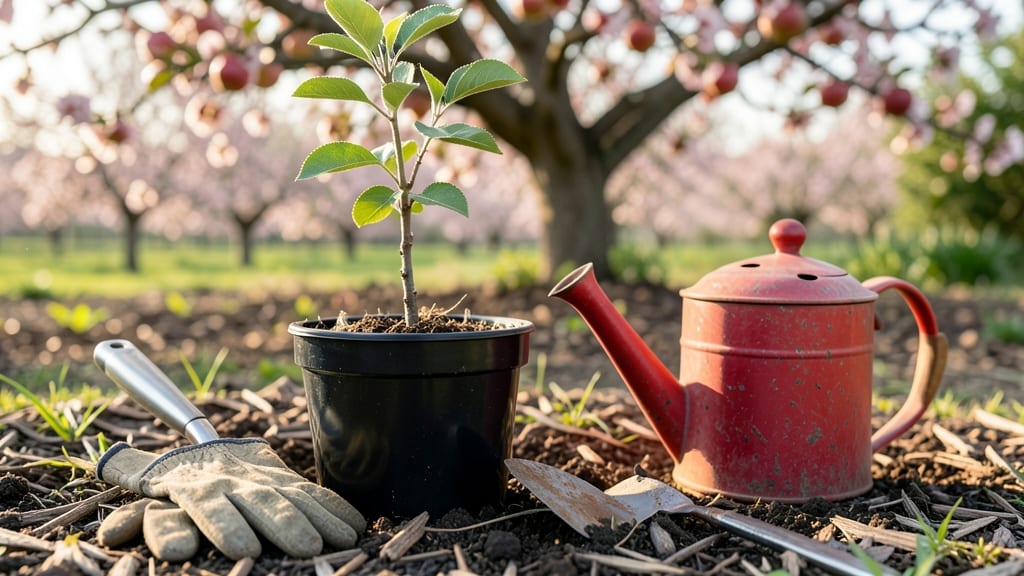
You can plant an apple tree from an apple, but the resulting tree will likely produce wild apples rather than the parent variety, since seed-grown trees require careful seed extraction, cold stratification, and years of growth before bearing fruit. Success depends on seed viability and later grafting for consistent quality.
Growing an apple tree from seed is biologically possible but comes with major limitations. 🌱 The seeds inside store-bought apples are typically from hybrid varieties, meaning the tree you grow won't produce fruit identical to the parent—expect small, tart apples instead of the sweet, familiar ones.
This process also requires patience, as apple seeds need 60-90 days of cold stratification before they'll germinate, followed by years of growth before fruiting. Even then, most homegrown trees yield unpredictable results unless you graft them onto a known rootstock later.
For consistent fruit production, most gardeners skip seed-growing entirely and opt for grafted nursery trees. The grafting process—where a scion (desired variety) is attached to a rootstock—ensures the tree will produce the exact apples you want, just like its parent.
This method is far more reliable for home orchards, though it does require some horticultural skill and timing. If you're determined to try seed-growing, start with organic apples from heirloom varieties for better success rates.
💡 In This Article
- Apple Seed Germination Process and Success Factors
- Grafting Apple Trees for Reliable Fruit Production
Apple seed germination process and success factors
The journey from apple to tree begins inside the fruit itself. Each apple contains 5-10 seeds, and only some will germinate successfully. The key lies in the seed's dormancy period—apple seeds require 60-90 days of cold stratification (40°F or lower) to break their natural dormancy.
This mimics winter conditions, signaling to the seed that spring has arrived. Without this cold treatment, seeds often rot or fail to sprout entirely. 🌱
Once stratified, germination typically takes 2-4 weeks in ideal conditions: well-draining soil with a pH of 6.0-7.0, and temperatures between 60-70°F. The young seedling will grow rapidly, developing its first true leaves within 4-6 weeks. However, here's the catch—seed-grown apple trees are genetically distinct from their parent.
This is because apples are cross-pollinated, and seeds inherit traits from both parent trees, resulting in unpredictable fruit quality. Most homegrown trees produce small, tart apples rather than the sweet, familiar varieties we love.
Soil conditions play a critical role in early growth. Apple seedlings thrive in loose, fertile soil with good drainage—think of a mix that's 60% topsoil, 30% compost, and 10% perlite.
Overwatering is a common mistake; seedlings need 1-2 inches of water per week, but their roots must never sit in soggy soil. Young trees also benefit from partial shade during their first year, as full sun can stress tender new growth.
Without proper care, even viable seeds may produce weak, spindly trees that struggle to survive.
Another factor affecting success is seed viability. Store-bought apples often come from hybrid varieties, and their seeds may have lower germination rates (sometimes as low as 20-30%). For better odds, use seeds from organic, heirloom apples or local crabapples, which tend to have higher viability.
Even then, only about 50% of seeds from a single apple will germinate under perfect conditions. Patience is key—it can take 5-7 years before a seed-grown tree bears fruit, if it does at all.
What most people don't realize is how environmental factors interact during this process. For example, sudden temperature swings or poor soil can trigger fungal infections like black rot, which often kills young seedlings. The solution?
Plant seeds in a controlled environment like a greenhouse or use grow lights to maintain consistent conditions. This extra care increases survival rates from 30% in outdoor plantings to over 70% in controlled settings. 💫
Finally, consider the genetic lottery. Even with perfect care, a seed-grown apple tree might produce fruit that's completely different from the parent—think smaller size, different color, or even a completely different flavor profile. This is why professional orchards never rely on seed propagation.
For consistent results, grafting becomes essential, allowing you to combine the hardy growth of a seedling rootstock with the desirable traits of a known variety.