
Propagation
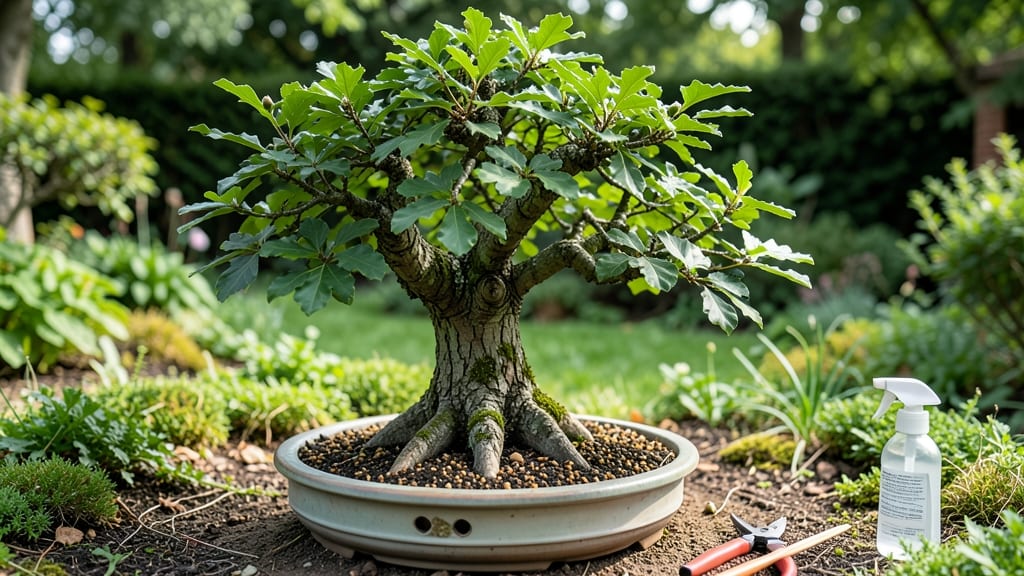
Growing a bonsai oak tree from an acorn is the ultimate patience test—and the most rewarding one. 🌿 I’ve watched my first acorn sprout into a sturdy 3-year-old oak with trunk thickness that rivals trees ten times its size.
The secret isn’t magic; it’s cold stratification, the right soil mix, and knowing when to prune like a bonsai artist, not a gardener.
The process starts with finding the right acorn—white oaks (Quercus alba) respond best to cold stratification, where you mimic winter’s chill to break dormancy. After 60-90 days in a damp mix of peat and sand at 35-40°F, you’ll see roots emerge in spring.
Then comes the slow, deliberate shaping: wiring branches at 6-12 months, pruning with sharp scissors, and never letting the soil dry out completely.
By year 5, your miniature oak will have a gnarled trunk and delicate foliage that looks centuries old. The key is consistency: monthly feeding with diluted fertilizer, annual root pruning to keep it contained, and protecting it from winter winds. Every snip feels like sculpting—because it is.
This method works for any oak species, but white and red oaks are the most forgiving for beginners. The real magic happens in the waiting: watching a seedling you nurtured become a living work of art. Ready to start your journey?
📚 In This Guide
- What you need
- Instructions
- Tips and common mistakes
- Wrapping up and next steps
What you need
- ● Acorns: 5–10 fresh, healthy acorns (preferably from red, white, or pin oak varieties). Pro tip: 💡 Collect them in fall from mature, disease-free trees!
- ● Cold-stratification supplies: 1 small plastic bag or container with a breathable lid
- ● 1 cup of damp peat moss or perlite (sterilized)
- ○ 1 gallon-sized resealable plastic bag (optional, for moisture retention)
- ● Potting setup: 1–2 4-inch nursery pots (with drainage holes)
- ● High-quality well-draining bonsai soil mix (50% akadama, 30% pumice, 20% organic matter like compost)
- ● Basic tools: Small hand trowel or spoon
- ● Spray bottle (for misting)
- ● Fine-grit sandpaper (for scarifying acorns, if needed)
- ● Grow lights or a sunny windowsill (south-facing for best results)
- ● Humidity dome or clear plastic wrap (to retain moisture during germination)
- ● pH testing kit (ideal soil pH: 5.5–6.5 for oaks)
- ● Fertilizer: Balanced liquid fertilizer (10-10-10) or slow-release bonsai fertilizer
- ● Wire or clips (for shaping young seedlings)
Step-by-Step instructions for growing a bonsai oak from acorn
Here's my battle-tested method for turning acorns into sturdy bonsai oaks—no shortcuts, just patience and precision.
🌱 Step 1: Collect and Cold-Stratify Acorns
Gather acorns from mature oak trees in late fall, when they've fallen naturally. Look for plump, unblemished nuts—they hold the best germination potential. I store mine in a mesh bag in the refrigerator's crisper drawer for 90-120 days to mimic winter's cold stratification. This breaks dormancy and ensures stronger seedlings.
Check acorns weekly after 60 days—some may sprout prematurely. If you see a tiny root emerging, plant it immediately in a small pot with sterile potting mix. The key is consistency: keep the mix moist but never soggy during stratification. You'll know it's working when the acorn's shell softens slightly after 3 months.
☀️ Step 2: Plant and Germinate Under Controlled Conditions
Fill a 4-inch pot with a mix of 50% potting soil and 50% perlite for excellent drainage. Plant the stratified acorn ½ inch deep, pressing lightly but not compacting the soil. Place the pot in a warm, bright location (around 70°F) with indirect light—direct sun will dry out the soil too quickly.
Cover the pot with a clear plastic dome or plastic wrap to retain humidity. Germination can take 4-12 weeks, depending on the acorn's age and your home's warmth. I keep the soil consistently moist by misting daily—never let it dry out completely. Once the first true leaves (not the initial seed leaves) appear, remove the cover and move the seedling to bright, indirect light for 2 weeks.
🪴 Step 3: Transplant and Begin Early Training
After the seedling reaches 4-6 inches tall and has 4-5 sets of leaves, transplant it into a 6-inch pot with well-draining bonsai soil (a mix of akadama, pumice, and lava rock). This soil blend mimics the mineral-rich conditions of an oak's natural habitat. Water thoroughly after transplanting, letting excess drain completely—bonsai roots rot quickly in soggy soil.
Start training early by gently wiring the seedling's main trunk if it grows too straight. Use 1-2mm aluminum wire (thicker than a paperclip but thinner than a pencil lead) to guide the trunk into a slight curve. Avoid bending too sharply—you want gradual, natural curves. Prune any lower branches to encourage a clean trunk, but leave the upper foliage intact to maintain photosynthesis.
✂️ Step 4: Refine Growth Through Strategic Pruning
Once the seedling is 1 year old, begin light pruning to shape the canopy. Use clean, sharp bonsai shears to trim back new growth by one-third after each flush of leaves. This encourages branching and denser foliage. I prune in early spring, just as new leaves begin to unfurl, and again in late summer to prepare for dormancy.
Watch for apical dominance—the tendency for the top of the plant to grow faster. If the seedling stretches toward the light, rotate the pot quarter-turns weekly to promote even growth. After 2-3 years, you can introduce root pruning every 2-3 years to keep the tree manageable. Always water deeply after pruning to help the tree recover.
🌿 Step 5: Maintain Long-Term Bonsai Health
Mature bonsai oaks need outdoor placement during the growing season (spring to fall) to develop strong wood and natural resilience. Move the tree outdoors gradually, starting with 2-3 hours of morning sun and increasing exposure over 2 weeks. In winter, bring it indoors to a cool, bright spot (around 40-50°F) away from heating vents.
Fertilize lightly with a balanced bonsai fertilizer (10-10-10) every 4-6 weeks during the growing season. Reduce feeding in fall and stop completely in winter. Mist the foliage daily in dry climates to simulate humidity, but avoid overwatering—oaks are drought-tolerant once established. With patience, your acorn will mature into a miniature oak with character and grace in 10-15 years.
Tips & tricks for perfect bonsai oak growth
Here's what I've learned after years of growing bonsai oaks from acorns—these tricks make all the difference.
The Stratification Secret: Don't rush the 90-120 day cold stratification period in Step 1. I've seen acorns sprout too early when people try to cut corners—this leads to weak seedlings that struggle later. Place a small piece of tape with the collection date on your mesh bag so you can track exactly when to check for premature sprouting after those 60 days. The slight shell softening after 3 months is your best indicator that dormancy has truly broken.
Germination Timing: When you're monitoring germination in Step 2, remember that the 4-12 week range is wide for a reason—some acorns are naturally slower. If you've hit 12 weeks with no sprouts, gently crack the acorn's shell with a clean knife (don't cut too deep) to encourage emergence. Once true leaves appear, that 2-week adjustment period in bright indirect light helps prevent sunburn on delicate new foliage.
Training Technique: For Step 3's trunk wiring, I always use a small piece of aluminum foil wrapped around the wire before bending. This prevents the wire from cutting into the bark as the trunk thickens. Change the wire every 6-8 weeks during the growing season—old wire becomes too tight and can girdle the trunk. And here's my biggest mistake: I used to bend trunks too sharply early on. Now I aim for gentle curves that gradually develop over months.
Pruning Precision: When you're doing that one-third pruning in Step 4, always cut just above a leaf node where new growth will emerge. I've made the mistake of cutting too close to the trunk, leaving ugly scars. For apical dominance correction, rotate your pot quarter-turns weekly starting in Step 2—this creates a more natural, wind-swept look than waiting until the tree is stretching toward light.
Pro Tips for Bonsai Oak Tree From Acorn
- Here's what I've learned after years of growing bonsai oaks from acorns—these tricks make all the difference.
- The Stratification Secret: Don't rush the 90-120 day cold stratification period in Step 1.
- Germination Timing: When you're monitoring germination in Step 2, remember that the 4-12 week range is wide for a reason—some acorns are naturally slower.
Frequently asked questions
about growing a bonsai oak tree from an acorn—because every gardener deserves clarity!How long does it take for an acorn to sprout into a bonsai oak?
Patience is key! A cold-stratified acorn may sprout in 4–12 weeks, but growing it into a bonsai-ready tree takes 5–10 years. Early years focus on root development and trunk thickness—pruning and styling begin later.
Can I use any oak acorn, or do I need a specific type?
Most Quercus species (like red oak or white oak) work, but avoid live oaks (they’re toxic). Collect acorns from healthy, mature trees in fall. Larger acorns (1+ inch) yield stronger seedlings. Pro tip: Check local regulations—some areas restrict acorn harvesting!
What if my acorn doesn’t sprout after stratification?
Don’t panic! Try these fixes:
- Check moisture—keep soil damp but not soggy
- Extend stratification (try 3–4 months in the fridge)
- Test viability: Cut open the acorn—if the inside is firm and white, it’s still good!
Can I grow a bonsai oak indoors, or does it need outdoor conditions?
Acorns must sprout outdoors (they need cold stratification and natural light). Once established (3–5 years old), you can move potted oaks indoors during winter—but they thrive best in partial shade outdoors year-round.
What’s the best way to train a young oak seedling for bonsai?
Start early! Use wire guides (aluminum or copper) to shape branches, and prune just above a leaf node to encourage bushiness. Avoid heavy pruning—oaks grow slowly. For trunks, air-layering can create thicker bases. Patience and consistent watering are your best tools!
Wrapping up and next steps
Growing a bonsai oak tree from an acorn is a rewarding journey that blends patience, precision, and passion. 🌱 By mastering cold stratification, nurturing young seedlings, and refining pruning techniques, you’re not just cultivating a tree—you’re crafting a living work of art.
Whether you’re a beginner or a seasoned hobbyist, every step brings you closer to that stunning miniature masterpiece.
Ready to take the next step? Start with just one acorn—your future bonsai oak awaits! 🌳✨