
Blooming
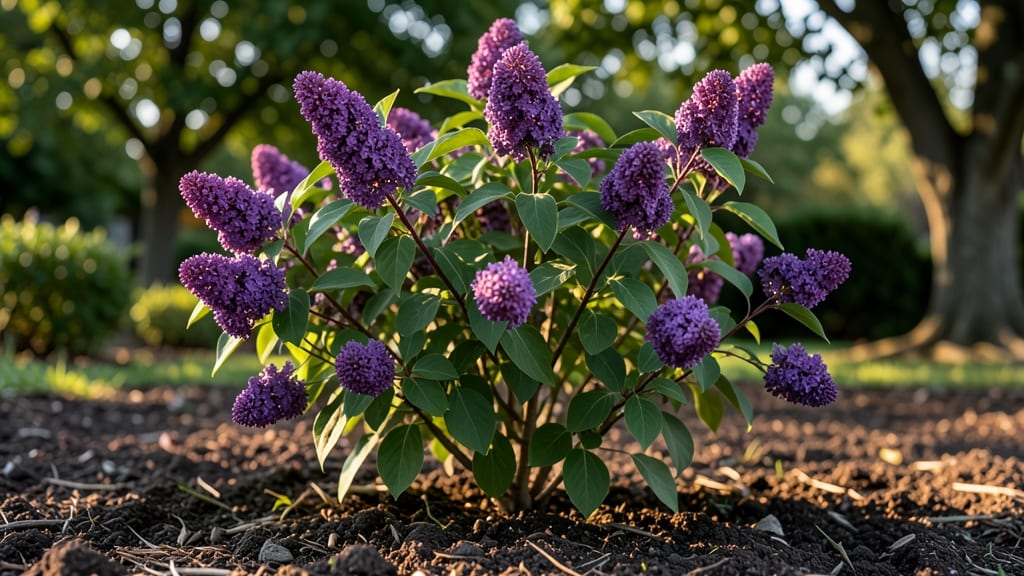
The Bloomerang Dark Purple lilac tree form turns heads with its dramatic vertical shape and deep, velvety blooms that hum with pollinators. 🌿 Unlike traditional lilacs that sprawl, this compact form grows 6-8 feet tall with a narrow, upright habit—perfect for tight spaces where you need height without bulk.
Its dark purple flowers appear in late spring, creating a striking contrast against lighter foliage. The blooms last 2-3 weeks, drawing bees, butterflies, and hummingbirds while adding structure to borders or hedges. In smaller gardens, it thrives as a standalone focal point with minimal pruning.
Pair it with silver foliage plants like lamb’s ear or bright annuals like salvia to extend the season. The glossy green leaves stay attractive even after blooms fade, ensuring year-round interest.
Urban gardens love this variety—it’s low-maintenance, disease-resistant, and fits where traditional shrubs won’t. For best results, plant in full sun with well-draining soil. Prune lightly after flowering to maintain its clean, architectural form. This isn’t just a lilac—it’s a pollinator magnet with year-round presence.
📚 In This Guide
- What you need
- Instructions
- Tips and common mistakes
- Wrapping up and next steps
What you need
- ● Bloomerang Dark Purple Lilac Tree: 1 healthy, 3-5 gallon container-grown tree (aged 2-3 years for best establishment)
- ● Note: Ensure it’s labeled as Syringa meyeri 'Bloomerang' for the signature weeping, dark purple blooms.
- ● Planting Site Essentials: Full sun location (minimum 6+ hours of direct sunlight daily)
- ● Well-draining soil (amend heavy clay with compost or sand if needed)
- ● Space: 8–10 feet wide and 10–15 feet tall at maturity (account for root spread!)
- ● Tools: Shovel or trowel (for digging)
- ● Garden gloves (to protect your hands)
- ● Watering can or hose (with adjustable nozzle)
- ● Mulch (2–3 inches of organic mulch, like shredded bark or wood chips)
- ● Slow-release fertilizer (e.g., 10-10-10 NPK) for first-year growth
- ● Staking kit (if planting in windy areas or heavy soil)
- ● Pruning shears (for shaping after flowering, if desired)
- ● Pollinator-friendly companions: Perennials like coneflowers or bee balm (plant 3–5 feet away)
- ● Ground cover (e.g., creeping thyme) to suppress weeds
How to plant and maintain a Bloomerang dark purple lilac tree form
This striking vertical lilac delivers bold color and pollinator support—here's how to make it thrive.
🌱 Step 1: Select the Perfect Planting Location
Choose a site with full sun exposure (6-8 hours daily) and well-draining soil. The Bloomerang form grows upright, so position it where its dramatic vertical shape can be fully appreciated—like near a patio or walkway. Avoid low spots where water pools, as lilacs hate soggy roots.
Test your soil's drainage by digging a 12-inch hole and filling it with water. If it drains in under an hour, your site is ideal. Amend heavy clay with 2-3 inches of compost mixed into the top 12 inches of soil. This tree form's compact growth means it won't need as much space as standard lilacs, but give it 8-10 feet of clearance for mature height.
🪴 Step 2: Plant at the Correct Depth and Stake for Support
Dig a hole twice as wide as the root ball but no deeper. The top of the root ball should sit 1-2 inches above ground level—this prevents water from pooling around the base. Gently remove the plant from its container and loosen any circling roots with your fingers.
Place the Bloomerang in the center of the hole and backfill with native soil mixed with 1 part compost. Water deeply as you fill to eliminate air pockets, then create a 2-inch high soil berm around the base to direct water away from the trunk. Since this is a tree form, it won't need heavy staking, but insert 2 lightweight stakes at 45-degree angles for initial support, securing with soft ties.
☀️ Step 3: Water Deeply and Mulch Properly
After planting, water thoroughly until moisture reaches 12 inches deep. You'll know it's enough when water runs out the bottom of the hole. For the first 2-3 weeks, keep soil consistently moist—stick your finger 2 inches down and water when dry. Overwatering is the biggest mistake here; lilacs are drought-tolerant once established.
Apply 2-3 inches of mulch (wood chips or shredded bark) around the base, keeping it 3 inches away from the trunk. This conserves moisture and regulates soil temperature. Replenish mulch annually in late winter. The Bloomerang's compact form means it won't need heavy pruning, but remove any crossing branches now to encourage an open center.
✂️ Step 4: Prune for Shape and Bloom Timing
Prune immediately after flowering in late spring to shape the tree and encourage next year's blooms. The Bloomerang form naturally grows in a columnar shape, so focus on removing only 1/3 of last year's growth from the bottom to maintain its vertical accent. Use clean, sharp pruners to make cuts at a 45-degree angle, just above a bud.
Never prune in fall or winter—this tree blooms on old wood, so cutting back then removes next year's flowers. Thin out crowded branches to improve airflow, which reduces disease risk. The dramatic purple blooms appear in late spring, so resist the urge to prune earlier. Watch for new growth at the base—this indicates the tree is establishing well.
🌿 Step 5: Fertilize and Monitor for Pests
Apply a balanced 10-10-10 fertilizer in early spring when new growth appears, using 1/2 pound per 100 square feet. Lilacs generally don't need heavy feeding, but the Bloomerang's compact form may benefit from an extra boost in its first two years. Water deeply after applying to help nutrients reach the roots.
Check for borers or aphids in early summer by inspecting new growth. Treat infestations immediately with neem oil or insecticidal soap. This tree form's dense foliage can hide pests, so pay extra attention to the undersides of leaves. The Bloomerang's dark purple blooms attract pollinators, so avoid broad-spectrum pesticides that harm bees and butterflies.
Tips & tricks for perfect Bloomerang dark purple lilac planting
These pro strategies will help your vertical lilac thrive and deliver stunning blooms year after year.
Site Selection Secret: The 6-8 hours of full sun requirement is non-negotiable for vibrant blooms, but here's the trick: position your tree where it gets morning sun and afternoon shade if your climate gets extremely hot. The Bloomerang's compact form handles heat better than standard lilacs, but afternoon shade prevents leaf scorch. I've seen dramatic color differences between trees in identical soil but with slightly different sun exposure.
Root Ball Rescue: When removing your Bloomerang from its container, you'll often find circling roots that strangle growth. Gently tease these apart with your fingers before planting—this simple step prevents root girdling that can weaken your tree for years. If roots are severely matted, make 2-3 vertical cuts through the root ball with a clean knife to encourage outward growth.
Watering Wisdom: That 12-inch deep watering after planting isn't just about initial moisture—it's about settling the soil and eliminating air pockets that can suffocate roots. For the first 2-3 weeks, I check soil moisture by sticking my finger 2 inches down: if it feels dry at that depth, it's time to water. The 2-inch soil berm you create around the base actually serves two purposes: it directs water away from the trunk AND creates a moisture reservoir during dry spells.
Pruning Precision: The "1/3 of last year's growth" rule in Step 4 is your guide to maintaining that perfect vertical form, but here's what nobody tells you: always prune on a dry day when the tree isn't stressed. Cutting in wet conditions can spread disease through open wounds. Also, make sure your pruners are clean and sharp—dull blades crush stems instead of making clean cuts, which invites infection. The 45-degree angle cut just above a bud ensures new growth emerges in the right direction.
Pro Tips for Bloomerang Dark Purple Lilac Tree Form
- These pro strategies will help your vertical lilac thrive and deliver stunning blooms year after year.
- The Bloomerang's compact form handles heat better than standard lilacs, but afternoon shade prevents leaf scorch.
- Root Ball Rescue: When removing your Bloomerang from its container, you'll often find circling roots that strangle growth.
Frequently asked questions
Got questions about the Bloomerang Dark Purple Lilac Tree Form? You’re not alone!
Here are the most common inquiries—plus expert answers—to help you make the best choices for your pollinator garden.
What’s the best time to plant a Bloomerang Dark Purple Lilac Tree Form?
Plant your lilac tree in early spring or fall when temperatures are mild (50–70°F). Avoid extreme heat or frost, as these can stress young roots. If planting in spring, water deeply before the first frost to establish roots before winter dormancy. Pro tip: Amend the soil with compost for better nutrient uptake!
Does this tree attract pollinators like bees and butterflies?
The Dark Purple blooms are a magnet for bees, butterflies, and hummingbirds, especially in early spring when pollinators need nectar. Its vertical form also makes it a standout in pollinator-friendly gardens. Pair it with native perennials like coneflowers or milkweed for a powerhouse ecosystem!
How cold-hardy is the Bloomerang Dark Purple Lilac Tree Form?
This variety thrives in USDA Zones 3–7, making it ideal for northern climates. It handles winter well but may drop buds in harsh freezes (below -20°F). For extra protection, mulch the base in late fall. Fun fact: Lilacs are deciduous, so their bare branches in winter add structural interest!
Can I grow this tree in containers, or does it need to be planted in the ground?
The Bloomerang variety grows 12–15 feet tall, so it’s best planted in the ground for stability. However, dwarf lilac cultivars (like ‘Miss Canada’) can thrive in large containers (20+ gallons) with well-draining soil. If container-grown, move it indoors or to a sheltered spot in winter if your zone drops below 5.
What should I do if my lilac tree isn’t blooming?
Lilacs need full sun (6+ hours/day) and pruning after flowering to encourage new blooms. If yours skips blooms, check for:
- Sunlight: Move to a sunnier spot if shaded.
- Pruning: Trim old wood in late summer/fall to stimulate growth.
- Soil: Test for nutrient deficiencies (add compost or balanced fertilizer).
- Age: Young trees (under 3 years) may need patience!
Wrapping up and next steps
The Bloomerang Dark Purple Lilac Tree isn’t just a stunning addition to your garden—it’s a pollinator powerhouse that brings drama, fragrance, and vertical interest to any landscape. With its unique weeping form and deep purple blooms, it transforms ordinary spaces into vibrant hubs for bees, butterflies, and hummingbirds.
Whether you’re a seasoned gardener or just starting out, this tree offers low-maintenance beauty that keeps giving year after year.
Ready to elevate your garden? Start by sketching your design—place it where its cascading branches can shine, and pair it with complementary plants for maximum impact. Your pollinator paradise awaits! 🌸🐝