
Pruning
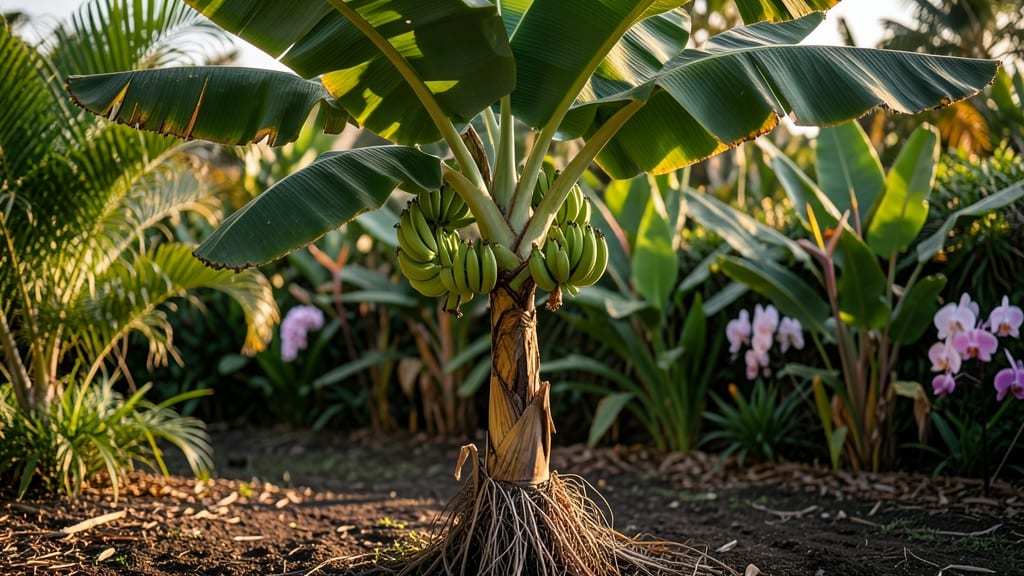
A banana tree in your yard isn’t just a bold statement—it’s a 3-year privacy screen that smells like sunshine and tastes like vacation. 🌿 I planted mine last spring, and already the broad, glossy leaves block nosy neighbors while casting dappled shade perfect for afternoon lounging.
The key isn’t just picking the right variety (like the dwarf Cavendish) but placing it where it thrives year-round.
Sunlight and space are non-negotiable: these trees need 6+ hours of direct sun and at least 10 feet of width to spread their dramatic foliage.
My yard’s south-facing corner was ideal, but if you’ve got shade, opt for the hardier Musa basjoo—it tolerates cooler temps and still grows tall enough to make a statement. The soil? Rich, well-draining loam with a splash of compost—think of it as a spa day for your banana’s roots.
By year three, you’ll have a 12-foot-tall living wall that hums with tropical energy, complete with edible (though small) bananas if you’re lucky. Pair it with bamboo or bird-of-paradise for a full jungle vibe, or keep it simple with mulch and a few succulents at the base.
The best part? It grows faster than most privacy hedges, so you’ll be sipping lemonade under your own leafy canopy sooner than you think.
Just remember: banana trees aren’t frost-friendly, so if you’re in Zone 7 or colder, treat it as an annual or bring it indoors for winter. The trade-off? A yard that feels like a resort, even in your own backyard. Ready to plant the seeds of paradise?
📚 In This Guide
- What you need
- Instructions
- Tips and common mistakes
- Wrapping up and next steps
What you need
- ● Banana tree plant: 1 healthy sapling (Dwarf Cavendish or Lady Finger varieties are ideal for yards).
- ● Well-draining soil: 5+ cubic yards (mix 60% topsoil, 30% compost, 10% perlite or coarse sand).
- ● Organic mulch: 2–3 inches (straw, wood chips, or pine needles to retain moisture).
- ● Slow-release fertilizer: 10-10-10 or banana-specific blend (follow package rates).
- ● Watering can or hose: With a gentle spray nozzle for deep watering.
- ● Shovel or trowel: For digging a hole 2–3x wider than the root ball.
- ● Garden gloves: To protect your hands from thorns and rough soil.
- ○ Pruning shears: Sharp, sterilized shears for trimming dead fronds (optional but helpful).
- ○ Stakes (optional): 2–3 bamboo or wooden stakes + twine to support young trees in windy areas.
- ○ pH testing kit (optional): To ensure soil pH is 5.5–7.0 (bananas love slightly acidic soil!).
- ● A sunny spot with at least 6–8 hours of direct sunlight daily.
- ● Protection from strong winds (plant near a fence or use stakes if needed).
- ● Access to a water source for consistent deep watering (1–2 inches per week).
- ● Patience! Banana trees grow fast, but full privacy takes 3+ years—worth the wait! 🌴
Step-by-Step guide to planting a banana tree for a privacy screen
Here's how I've grown a lush, tropical privacy screen in just three seasons.
🌱 Step 1: Choose the Right Variety and Planting Location
For a yard privacy screen, dwarf banana varieties like 'Dwarf Cavendish' or 'Lady Finger' are ideal—they stay under 10 feet tall while still providing dense foliage. Plant in full sun (at least 6-8 hours daily) where the ground stays consistently warm, as banana roots hate cold soil.
Test your spot's drainage by digging a 12-inch hole and filling it with water. If it doesn't drain within 30 minutes, amend the soil with 3-4 inches of compost and a handful of perlite to improve aeration. Banana trees need well-draining soil to prevent root rot, which can kill them within weeks.
🪴 Step 2: Prepare the Planting Site and Transplant
Dig a hole twice as wide as the banana plant's root ball but only as deep—planting too deep buries the trunk and causes rot. Gently loosen the roots if they're circling in the pot, then place the plant in the hole so the top of the root ball sits 1 inch above ground level. This prevents water from pooling around the stem.
Fill the hole with native soil mixed with 1 cup of balanced 10-10-10 fertilizer, tamping it lightly to remove air pockets. Water deeply until the soil 1 foot down is saturated. Mulch around the base with 2-3 inches of organic mulch (like wood chips) to retain moisture and regulate temperature—just keep it 6 inches away from the trunk to avoid rot.
☀️ Step 3: Water and Fertilize for Rapid Growth
Banana trees need consistent moisture, especially in their first year. Water 2-3 times per week until the soil 6 inches deep feels damp (stick your finger in—it should feel like a wrung-out sponge). Avoid overhead watering after planting, as wet leaves invite fungal diseases like black sigatoka, which can defoliate your tree in weeks.
Fertilize every 4-6 weeks during the growing season (spring through fall) with a potassium-rich fertilizer (like 0-10-10) to encourage strong pseudostem growth. I use 1 tablespoon per foot of plant height each time, working it into the top 2 inches of soil. Stop fertilizing in late fall to let the tree rest before winter.
✂️ Step 4: Prune and Protect for Long-Term Privacy
Remove any yellow or damaged leaves as soon as you spot them—banana trees grow fast, and dead foliage can harbor pests. In late winter (just before new shoots emerge), cut back old pseudostems (the "trunks") to the ground. They won’t regrow, but they’ll make room for 3-4 new shoots per plant, which thickens your screen faster.
Protect young trees from frost with burlap wraps or move potted banana trees indoors if temperatures drop below 32°F. Even a light freeze can blacken leaves, but mature plants (3+ years old) often survive brief cold snaps if their roots are insulated with 6+ inches of mulch. In frost-prone areas, consider planting near a south-facing wall for extra warmth.
⏰ Step 5: Monitor and Expand Your Screen
By year two, your banana tree should reach 6-8 feet tall with a 4-foot-wide canopy. If you planted 4 trees in a row, they’ll start merging by year three, creating a 12-foot-tall, dense privacy barrier. Space them 8-10 feet apart at planting to allow for growth without overcrowding.
Watch for banana weevils (tiny brown beetles) by checking the base of the pseudostem for frass (sawdust-like droppings). If you find them, treat with neem oil or beneficial nematodes—chemical pesticides can harm pollinators and damage the tree. A healthy banana tree will produce harvestable fruit by year three, but focus on foliage for privacy first.
Tips & tricks for perfect banana tree privacy screens
Here's what I wish I'd known before planting my first banana trees for privacy—these tricks save time and headaches.
Variety Selection: The 'Lady Finger' variety grows slightly faster than 'Dwarf Cavendish' in my experience, reaching 8 feet in just two years. If you're in a cooler climate, choose 'Ice Cream' banana—it's the hardiest dwarf variety and tolerates brief dips to 28°F. Always check your local nursery's recommendations for cold tolerance.
Planting Depth: I learned this the hard way after losing two plants to rot—never bury the root ball more than 1 inch below soil level. The top of the root ball should sit just above ground level, not buried. Think of it like planting a pot—you wouldn't bury the top of the pot, would you?
Watering Wisdom: Those 2-3 waterings per week in Step 3 need to be deep waterings. Use your finger to check soil moisture 6 inches down—it should feel like a damp sponge, not a wet towel. I use a soaker hose for the first month to ensure water reaches the roots without wetting the leaves, which prevents black sigatoka.
Fertilizer Timing: The 4-6 week fertilization schedule works perfectly, but here's my secret: I fertilize right after a heavy rain or deep watering. This prevents fertilizer burn by giving the roots time to absorb nutrients before they concentrate in the soil. Also, switch to a 0-0-60 fertilizer in late summer to boost potassium for winter hardiness.
Pro Tips for Banana Tree In Yard
- Here's what I wish I'd known before planting my first banana trees for privacy—these tricks save time and headaches.
- Variety Selection: The 'Lady Finger' variety grows slightly faster than 'Dwarf Cavendish' in my experience, reaching 8 feet in just two years.
- Planting Depth: I learned this the hard way after losing two plants to rot—never bury the root ball more than 1 inch below soil level.
Frequently asked questions
Got questions about growing a banana tree in your yard? Here are some of the most common ones—and their answers—to help you get started on your tropical privacy screen!
How long does it take for a banana tree to grow tall enough for privacy?
A banana tree can grow surprisingly fast—expect 6 to 12 feet in its first year, with mature trees reaching 15 to 20 feet in just 2–3 years. With proper care (sunlight, water, and fertilizer), you’ll have that lush, tropical privacy screen sooner than you think!
Are banana trees hard to maintain in a yard?
Not at all! While they thrive in warm climates, banana trees are low-maintenance if planted correctly. They need well-draining soil, regular watering (but no soggy roots!), and occasional pruning of dead fronds. Cold snaps? Mulch helps protect the roots. Most varieties are also pest-resistant!
Can I grow a banana tree in a cooler climate?
Yes, but with a few tweaks! Choose cold-hardy varieties like the Red Dacca or Ice Cream banana. Plant in a sheltered spot, mulch heavily in winter, and consider container growing for extra mobility. Just avoid frost—banana trees hate freezing temps!
Will a banana tree produce fruit in my yard?
If pollinated (often by birds or wind), your tree can yield dozens of bananas per season. For best results, plant two trees for cross-pollination. Just note: Homegrown bananas are smaller and seedier than store-bought, but they’re sweeter and more flavorful!
How do I prune a banana tree for privacy?
Pruning keeps your banana tree healthy and dense. Remove dead or yellowing fronds at the base, and trim back any overgrowth to encourage new growth. Avoid cutting into the pseudostem (the "trunk"). For a fuller look, prune lightly in early spring. Pro tip: Wear gloves—those fronds are sharp!
What’s a good alternative if I can’t grow a banana tree?
If banana trees aren’t feasible, consider fast-growing privacy plants like bamboo (for density), palm trees (for tropical vibes), or even lemon trees (for fruit + shade). For colder climates, try ornamental grasses or bamboo hedges—they’re just as lush!
Wrapping up and next steps
Growing a banana tree in your yard isn’t just about adding a touch of the tropics—it’s a rewarding project that delivers privacy, shade, and beauty in just a few years! With the right soil, sunlight, and care, you’ll enjoy lush foliage and even delicious fruit. 🌿✨
Ready to transform your space? Start by planting your banana tree this season and watch it thrive with patience and attention. Next up: mark your calendar for pruning in late winter—it’s the key to keeping your tree healthy and productive!