
Pests
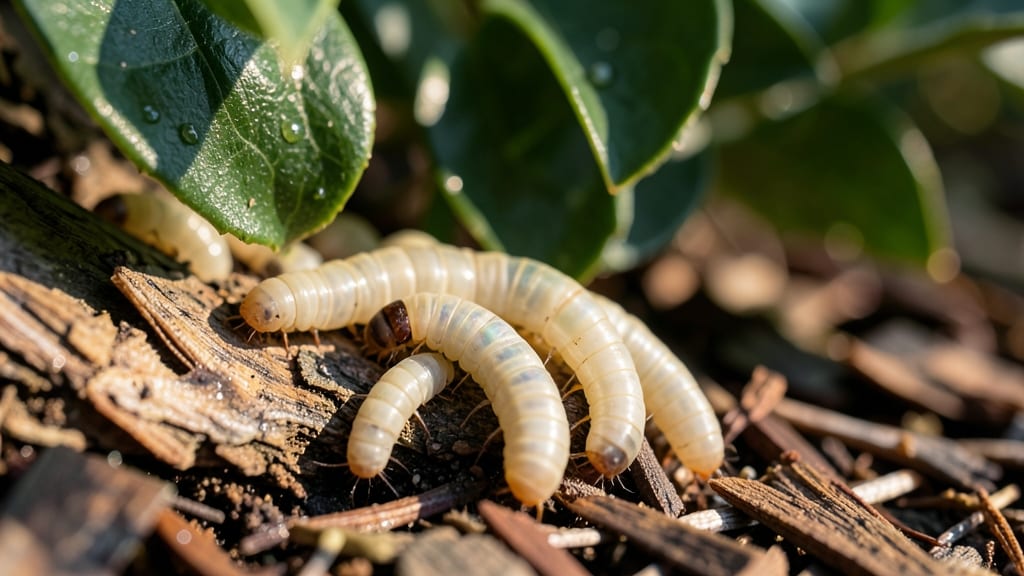
Your avocado tree’s fruit is riddled with holes from avocado tree worms, and you’re staring at a ruined harvest. 🌱 The culprits—avocado seed moths, root weevils, or borers—can turn a thriving tree into a sad skeleton if you don’t act fast.
The good news? Organic solutions exist, and early action saves your crop.
These pests thrive when trees are stressed—poor soil, overwatering, or weak branches make them easy targets. I’ve battled them in my own grove, and the key is catching them before they tunnel deep.
Look for tiny holes in fruit, sawdust-like frass near the trunk, or wilting leaves that won’t bounce back.
You’ll reclaim your tree with simple fixes: neem oil sprays, beneficial nematodes for roots, and pruning to remove infested branches. My trees now produce plump, worm-free fruit every season, and the process takes just 30 minutes a week once you know the signs.
Perfect for home gardeners and commercial growers alike—no chemicals needed. Let’s get your tree back to healthy, productive glory.
Root Causes Of Tree Infestations
When it comes to avocado tree worms, understanding the why behind their presence is the first step toward effective, organic control. These pests don’t just appear out of nowhere—they’re drawn to specific conditions that make your tree a prime target.
Below, we break down the key factors that turn your avocado tree into a worm buffet.
Healthy trees are naturally resistant to pests, but when their defenses drop, worms and larvae move in like uninvited guests. Here’s what weakens your tree’s immunity:
- 🌡️ Nutrient Deficiencies Avocado trees need a balanced diet of nitrogen, phosphorus, and potassium to stay strong. A deficiency—especially in nitrogen (which supports leaf growth) or zinc (critical for overall health)—makes the tree more vulnerable. Signs: Yellowing leaves, stunted growth, or brittle branches.
- 💧 Overwatering or Underwatering Worms thrive in trees that are either stressed from drought or drowning in excess moisture. Poor drainage or inconsistent watering creates the perfect conditions for root-damaging larvae to take hold.
- 🍃 Fungal or Bacterial Infections Diseases like root rot or anthracnose create entry points for pests. Fungal infections weaken the tree’s structural integrity, making it easier for worms to burrow into stems and fruit.
Worms aren’t just opportunists—they’re strategic. They’re drawn to trees that offer shelter, food, and easy access. These environmental factors make your avocado tree a magnet:
- 🍃 Dense, Unpruned Foliage Thick canopies trap moisture and provide hiding spots for larvae. Worms like the avocado seed moth or fruit borers prefer shaded, humid conditions where they can lay eggs undetected.
- 🍈 Overripe or Damaged Fruit Ripe avocados are a worm’s dream—soft, sugary, and easy to penetrate. Even minor bruises or cracks from birds or wind create perfect entry points. Pro tip: Harvest fruit promptly and remove fallen or damaged ones to break the cycle.
- 🌿 Mulch Buildup & Debris Thick mulch layers (especially organic matter like leaves or grass clippings) retain moisture and attract soil-dwelling larvae. While mulch is great for soil health, too much can turn your tree’s base into a worm hotel.
Worms have peak seasons, and avocado trees in certain climates are more at risk. Here’s how weather plays a role:
| Season | Why Worms Strike | High-Risk Areas |
|---|---|---|
| 🌞 Warm, Humid Summers | High temperatures (75–90°F) speed up worm reproduction. Larvae hatch faster in moist soil, and fruit ripens quicker—giving worms more opportunities to infest. | Florida, California, Mexico, tropical regions |
| 🌧️ Wet Springs | Excess rainfall softens fruit and soil, making it easier for larvae to burrow. Fungal growth also spikes, weakening tree defenses. | Pacific Northwest, Southeast U.S., Central America |
| 🍂 Late Fall (Before Harvest) | Cool nights and warm days create ideal conditions for fruit borers to lay eggs. Worms target near-ripe avocados, ensuring their larvae have a food source when they hatch. | All avocado-growing regions |
💡 Actionable Insight: If you live in a high-risk climate, monitor your tree weekly during peak seasons and adjust watering to avoid over-saturation.
Sometimes, the problem isn’t nature—it’s us. Unintentional actions can invite worms to the party:
- 🍎 Cross-Contamination from Other Trees If you’ve planted avocado trees near citrus, mango, or guava trees, pests from those trees (like fruit flies or borers) may hop over and target your avocados.
- 🐦 Wildlife (Birds, Rodents, Insects) Birds pecking at fruit can create wounds that worms exploit. Meanwhile, rodents (like rats) may dig near the base, disturbing soil and exposing roots to larvae.
- 🛒 Poorly Stored or Transported Fruit Bringing home infested avocados from stores or markets can introduce worms to your tree. Always inspect fruit before planting seeds or composting scraps.
Quick Fixes for Wormy Trees
Avocado trees are a prized addition to any garden, but when avocado tree worms (like the notorious avocado seed borer or fruit borer) strike, they can turn your lush foliage into a buffet—and your harvest into a loss. The good news?
With the right approach, you can banish these critters organically and keep your tree thriving. Below, we break down cause-specific solutions, from immediate fixes to long-term prevention, so you can act fast and protect your tree without harsh chemicals.
Not all worms are created equal! Before treating, confirm whether you’re dealing with:
- Avocado seed borers (larvae inside fruit/seeds)
- Fruit borers (tunneling into young fruit)
- Root-knot nematodes (microscopic but destructive)
- General leaf-eating caterpillars (visible on foliage)
Quick ID tip: 🔍 Check for:
- Holes in fruit (seed borers)
- Wilting or stunted growth (root issues)
- Chewed leaves (caterpillars)
🔥 Remove infested fruit & debris
Cause: Worms hide in fallen fruit, mulch, or leaf litter, waiting to reinfest. Fix:
- Pick and destroy any fruit with holes, tunnels, or worm signs. Do not compost—seal in a bag and toss.
- Rake up fallen leaves under the tree and dispose of them far from the garden.
- Prune damaged branches (sterilize pruners with rubbing alcohol between cuts).
Pro tip: 💡 Time it right—collect fallen fruit daily during peak worm season (spring/summer) to starve them out.
🍳 Organic sprays for surface pests cause: caterpillars or borers on leaves/fruit. fix: mix 1 tbsp neem oil + 1 tsp dish soap + 1 quart water in a spray bottle.
Apply: - Early morning or late evening (avoid direct sun—it burns leaves). - Focus on undersides of leaves (where eggs are laid). - Reapply every 5–7 days until pests vanish.
Alternative sprays:
- Bacillus thuringiensis (Bt): A natural bacteria that kills caterpillars. Safe for bees! 🐝
- Kaolin clay: Forms a protective film that deters borers (mix 1 tbsp clay + 1 quart water).
⚠️ Warning: Avoid copper sprays—they can harm avocado trees.
👨🍳 Soil treatment for root & seed borers cause: larvae tunneling into roots or seeds. fix: 1. water deeply to encourage beneficial nematodes (like steinernema carpocapsae). 2. apply diatomaceous earth (DE): sprinkle food-grade DE around the base (reapply after rain).
- Use coffee grounds: Mix used grounds into the soil (1 cup per tree)—the caffeine repels borers!
For nematodes:
- Plant marigolds nearby—they secrete nematode-attracting compounds.
- Avoid overwatering (wet soil invites root rot and pests).
🥘 Trap crops & barriers
Cause: Borers are drawn to young fruit. Fix:
- Sacrificial fruit: Hang overripe avocados in a mesh bag near the tree to lure borers away.
- Tree collars: Wrap the trunk with aluminum foil (borers can’t penetrate it) or cardboard coated in petroleum jelly (traps climbing larvae).
Bonus: 🌱 Plant basil or mint around the base—their scent confuses borers.
| Prevention Step | How to Do It | Why It Works |
|---|---|---|
| Sanitation | Clean up all fruit/leaves yearly. | Removes hiding spots for eggs/larvae. |
| Prune for airflow | Thin dense branches to reduce humidity. | Dry conditions deter borers. |
| Mulch wisely | Use straw or wood chips (not fresh bark). | Prevents soil-borne pests from thriving. |
| Beneficial insects | Release ladybugs or parasitic wasps. | They eat worm eggs naturally. |
| Healthy tree = strong defense | Fertilize with citrus-friendly compost (avoid nitrogen spikes). | Weak trees attract more pests. |
If your tree shows sudden wilting, oozing sap, or extensive fruit loss, the infestation may be severe. Consult a local arborist specializing in organic pest control—they can assess whether:
- Systemic treatments (like spinosad-based sprays) are needed.
- Soil fumigation (last resort—use organic steam treatment).
Final thought: 🌿 Patience is key—some organic fixes take 2–4 weeks to show results. Stay consistent, and your avocado tree will bounce back stronger than ever! For extra peace of mind, monitor weekly during peak worm season.
Frequently asked questions
What are the most common types of avocado tree worms?
You’ll most likely encounter avocado seed borers (larvae that tunnel into fruit seeds) and fruit borers (which create holes in young avocados). Root-knot nematodes and leaf-eating caterpillars are also common. Look for tiny holes in fruit, sawdust-like frass near the trunk, or chewed leaves to identify them.
How do I know if my avocado tree has a worm infestation?
Check for holes in fruit, wilting branches, or oozing sap from the trunk. Larvae leave behind frass (sawdust-like droppings) near entry points. If you see birds pecking at your tree, they’re likely after worm-infested fruit. Act fast—early detection saves your harvest!
Can I use chemical pesticides on avocado trees?
While chemical pesticides work, they’re not recommended for organic growers or home gardens. Avocado trees are sensitive to many chemicals, and overuse can harm beneficial insects. Instead, opt for neem oil, Bacillus thuringiensis (Bt), or beneficial nematodes—these target worms without damaging your tree.
How often should I apply organic treatments?
For neem oil sprays, apply every 5–7 days during peak worm season (spring/summer). Diatomaceous earth needs reapplication after rain, while beneficial nematodes work best when soil is moist. Consistency is key—stick to a weekly schedule until pests disappear.
Will pruning help prevent worm infestations?
Prune to improve airflow and remove dense, shaded branches where worms hide. Thin out foliage to reduce humidity—worms love moist, dark spots. Sterilize pruners with rubbing alcohol between cuts to avoid spreading pests.