
Pruning
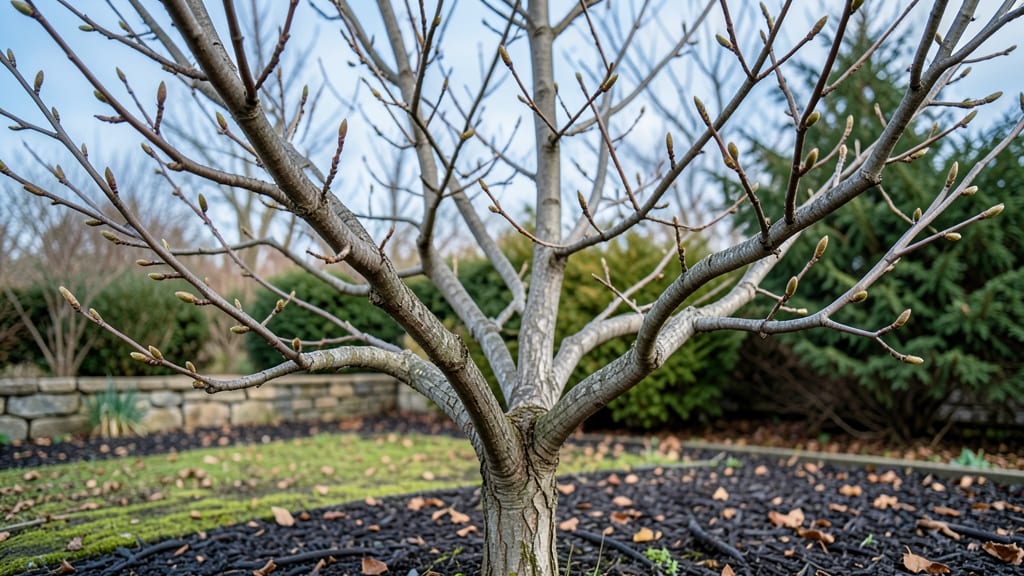
Winter pruning almond trees turns weak branches into a framework for next year’s harvest. ✂️ I’ve watched my own trees go from scraggly to structured after just one dormant-season trim—here’s exactly how to do it right, from timing to technique.
The key is working while the tree is fully dormant but before buds swell—typically January to early February in most climates. Cold hardiness matters: almonds thrive in zones 6-9, but younger trees need extra frost protection (wrap trunks with burlap or use tree guards).
Prune to open the canopy, removing dead wood and crossing branches that rob energy from nut production.
You’ll end up with a tree that’s easier to harvest, less prone to disease, and packed with next year’s potential. The right cuts encourage stronger growth, and the open center lets sunlight reach all the way to the ground—where those future almonds need to shine.
This works for both backyard trees and commercial groves, though container-grown almonds need slightly different timing. Let’s get those pruners sharp and make next season your best yet.
📚 In This Guide
- What you need
- Instructions
- Tips and common mistakes
- Wrapping up and next steps
What you need
- ● Pruning shears – Bypass pruners (for cuts up to ½ inch in diameter). Example: Felco F-2 or Corona Tools Classic.
- ● Loppers – For branches ½ to 1½ inches thick. Example: Fiskars PowerGear or Bahco Forester.
- ● Pruning saw – For thicker branches (1½+ inches). Example: Fiskars X7 or Corona Tools Pruning Saw.
- ● Garden gloves – Heavy-duty, cut-resistant gloves (e.g., Fellex or Warrior) to protect your hands.
- ● Disinfectant solution – 70% isopropyl alcohol or a 10% bleach-water mix (1 part bleach to 9 parts water) to sterilize tools between cuts.
- ● Rag or paper towels – For wiping tools clean.
- ○ Pruning sealant (optional but helpful) – Wound dressing like Tanglefoot Tree Wound Pruning Seal for large cuts (over 2 inches).
- ● Ladder or step stool – If your tree is taller than 6 feet.
- ● Bucket or trash bag – For collecting pruned branches.
- ● Sharpie or permanent marker – To mark branches for future reference (if needed).
- ● Extension pole pruners – For high branches without a ladder.
- ● Safety glasses – To protect eyes from debris.
- ● Tree pruning guide or ruler – To measure branch collars accurately.
- ● Camera or phone – To document your tree’s structure before and after pruning.
- ● Compost bin or mulch – To recycle pruned branches as nutrient-rich compost.
Step-by-Step guide to winter pruning your almond tree
Here's how to shape your tree for next year's bounty—without stressing it in the cold.
✂️ Step 1: Time Your Pruning Precisely
Prune your almond tree during its dormant season, between late winter and early spring—right after the last hard frost but before buds swell. This timing ensures the tree isn’t actively growing, so it won’t bleed sap or invite pests. In most climates, that’s January to February, but check your local frost dates to be safe.
I always wait until the soil temperature stays above 40°F for a few days. You’ll know it’s the right moment when the tree looks completely bare, with no signs of new growth. If you prune too early, you risk exposing tender wood to late frosts; too late, and you’ll encourage early budding, which weakens the tree.
🌿 Step 2: Assess the Tree’s Structure
Start by stepping back to evaluate the tree’s overall shape. Look for dead, diseased, or crossing branches—these are your top priorities. Almond trees naturally grow in an open vase shape, so aim to maintain that airy structure. Remove any branches that rub against each other, as they’ll create wounds and invite rot.
Next, identify suckers—those vigorous shoots growing from the base or along the trunk. These compete with the main branches for energy. Snip them off at the base with clean, sharp pruners. You’ll also spot water sprouts, which are fast-growing but weak. These can be pruned back to a strong lateral branch or removed entirely.
✂️ Step 3: Make Strategic Cuts for Airflow
When pruning branches, always cut just outside the branch collar—the swollen area where the branch meets the trunk. This ensures the tree seals the wound naturally. Use bypass pruners for smaller branches and a pruning saw for thicker ones. Make cuts at a 45-degree angle to prevent water from pooling on the wound.
Focus on thinning out rather than topping. Remove up to 20% of the tree’s canopy to improve airflow and sunlight penetration. Prioritize branches that are crowded, weak, or growing inward. You’ll know you’re doing it right when the tree’s center is open, allowing light to reach the inner branches—this encourages fruit production next season.
🌱 Step 4: Clean Up and Protect the Tree
After pruning, sterilize your tools with rubbing alcohol to prevent spreading disease. Remove all clippings from the base of the tree to reduce pests and fungal risks. If your area has mild winters, consider applying a dormant oil spray to smother overwintering pests like scale or mites.
Finally, mulch around the base with 2-3 inches of organic mulch (like wood chips or straw) to insulate the roots. Keep the mulch 6 inches away from the trunk to avoid rot. Water the tree deeply before the ground freezes to ensure it has moisture for early spring growth. You’ll see the difference next year in stronger branches and a healthier crop.
Tips & tricks for perfect almond tree winter pruning
Here's what nobody tells you about pruning that'll make all the difference for your almond tree's health.
Timing is Everything: The 40°F soil temperature rule is non-negotiable—it's the sweet spot where your tree has enough energy to heal but isn't yet pushing new growth. I've seen trees pruned too early get frost damage on fresh cuts, and trees pruned too late start budding prematurely. Check your local frost dates and confirm the tree is completely dormant before you start. If you're unsure, wait a week longer rather than rushing.
The Branch Collar Secret: When you make that critical cut just outside the branch collar in Step 3, you're not just making a clean cut—you're helping the tree heal naturally. The collar contains healing tissues that prevent decay. I've seen pruning wounds take months to heal when this step was skipped. Use a sharp pruner and make clean cuts at a 45-degree angle to prevent water pooling, which can lead to rot. This is where most pruning mistakes happen.
Visual Cues for Pruning Success: In Step 2, when you're assessing the tree's structure, look for these telltale signs: dead branches will be brittle and snap easily when you bend them, while crossing branches will have calloused areas where they rub together. For suckers and water sprouts, they'll be noticeably thinner than the main branches and grow at odd angles. These visual cues will help you make confident cuts without over-pruning.
Post-Pruning Protection: After you've finished pruning, don't just walk away—your work isn't done. Sterilizing your tools prevents disease spread, and removing clippings reduces pest habitats. I've seen trees develop fungal issues from leaving prunings on the ground. The 2-3 inches of mulch you add creates a protective barrier that regulates soil temperature and retains moisture. This winter care pays off in spring with stronger new growth and better fruit production.
Pro Tips for Almond Tree Winter
- Here's what nobody tells you about pruning that'll make all the difference for your almond tree's health.
- Timing is Everything: The 40°F soil temperature rule is non-negotiable—it's the sweet spot where your tree has enough energy to heal but isn't yet pushing new growth.
- The Branch Collar Secret: When you make that critical cut just outside the branch collar in Step 3, you're not just making a clean cut—you're helping the tree heal naturally.
Frequently asked questions
Got questions about winter pruning your almond tree? You’re not alone!
Here are answers to the most common queries to help you prepare for a thriving harvest next season.
When is the exact best time to prune an almond tree in winter?
The ideal window is late winter—after the coldest months (typically January–February in most U.S. zones) but before buds swell (around 3–4 weeks before last frost). Pruning too early risks frost damage to fresh cuts, while waiting too long delays spring growth. Check your local frost dates for precision!
Can I prune an almond tree if it’s already blooming?
Nope! Pruning during bloom (or even late winter) stresses the tree and can reduce fruit set. Almond trees are dormant-pruning specialists—wait until after flowers fall (usually March) if you missed the late-winter window. Light shaping is okay, but major cuts should wait for dormancy.
What if my almond tree has dead or diseased branches? Should I still wait?
Dead or diseased wood is the exception—remove it anytime, even in winter. Look for branches with no bark, hollow centers, or fungal signs (black spots, oozing sap). Sterilize tools with rubbing alcohol between cuts to prevent spreading issues. Healthy pruning can wait; safety first!
Do I need to prune young almond trees differently than mature ones?
Young trees (under 5 years) focus on structure: remove competing vertical branches and open the center for airflow. Mature trees prioritize fruit production—thin crowded limbs and target water sprouts. Always prune to a bud or branch collar, never leave stubs!
What if I skip winter pruning? Will my almond tree still produce nuts?
It’ll survive, but growth gets unruly—dense canopies block sunlight, increasing disease risk and reducing yield. Skipping pruning also limits air circulation, which can lead to alternaria rot (a common almond tree nemesis). Think of pruning as a health spa for your tree!
Pro Tip: Mark your calendar!
Set a reminder for January–February (or your local dormant period) to avoid the rush. Grab your tools, a ladder, and a buddy—safety and teamwork make pruning way easier!
Wrapping up and next steps
Winter is the perfect time to give your almond tree the care it needs to thrive!
By pruning during dormancy, you’re setting the stage for healthier branches, better fruit production, and stronger resistance to pests and disease. 🌱 With the right tools, timing, and technique, you’ll unlock the secrets to a vibrant, productive tree—so roll up your sleeves and get ready to transform your orchard this season.
Ready to take action? Mark your calendar for late winter (just before bud break) and start planning your pruning session. Your future harvest—and your tree’s long-term health—will thank you! 🌟