
Pruning
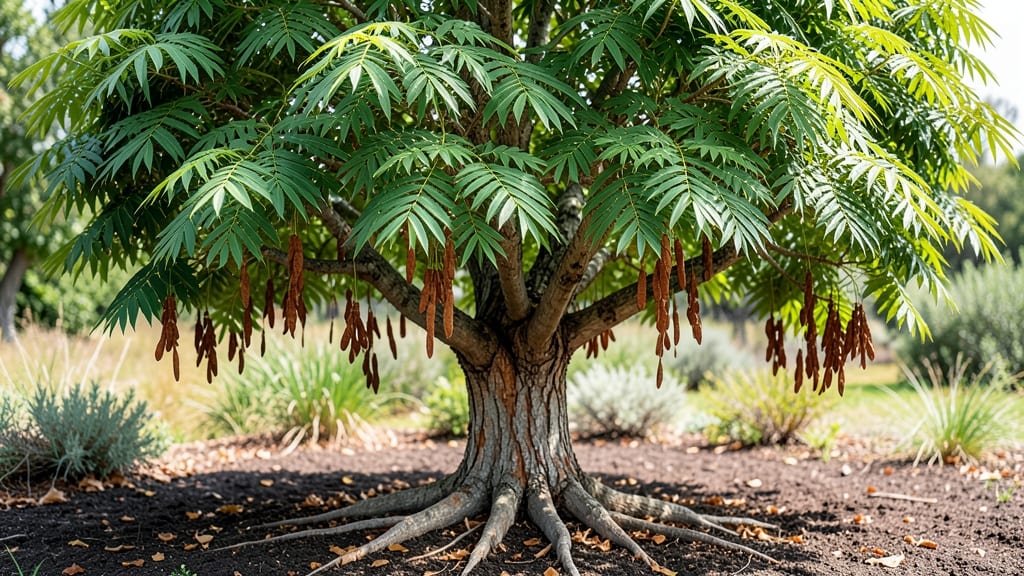
Those Tree of Heaven pods are more than just an eyesore—they're a toxic nuisance that spreads like wildfire. 🌱 I’ve spent years battling this invasive tree, and I’ve learned that the pods are the first warning sign of an ecological takeover.
Left unchecked, they’ll smother your yard and nearby wild areas, releasing chemicals that stunt native plants.
The real danger? Those pods contain toxins that can irritate skin and harm pets if ingested. I’ve seen dogs scratch after rolling in the litter, and the seeds spread everywhere—sidewalks, storm drains, even your neighbor’s garden.
The key to stopping it is acting fast before the tree matures and drops thousands more pods next season.
With the right tools and timing, you can remove the pods—and the tree itself—in 3 simple steps. I’ll show you how to collect them safely, cut back the tree without regrowth, and even replace it with native alternatives that won’t take over.
Your yard (and local ecosystem) will thank you.
This method works for small patches or full-blown infestations, whether you’re dealing with a single tree or a neighborhood spread. No special equipment needed—just elbow grease and the right technique. Let’s get started before next spring’s pods rain down again.
How Invasive Trees Spread
The proliferation of tree of heaven pods—those papery, seed-filled clusters—isn’t just an eyesore; it’s a strategic survival tactic. This aggressive tree, scientifically known as Ailanthus altissima, has evolved to dominate landscapes with relentless efficiency.
Understanding why these pods spread so aggressively is key to controlling them before they take over your yard or neighborhood. Here’s why this tree’s reproductive strategy is so effective—and how it becomes a problem.
The tree of heaven’s pods are lightweight and designed to hitchhike on the wind, scattering seeds up to 100 feet away from the parent plant. But that’s not all—birds, squirrels, and even humans unintentionally aid their spread by carrying seeds on fur, clothing, or equipment.
Once a seed lands in fertile soil, it can germinate quickly, creating a dense thicket that outcompetes native plants.
Why it happens:
- Lightweight pods: The papery, winged seeds (called samaras) are optimized for wind dispersal, much like maple helicopters but more prolific.
- High seed production: A single tree can release 30,000 to 50,000 seeds per year, ensuring genetic diversity and rapid colonization.
- Fast germination: Seeds sprout within 2–4 weeks under ideal conditions, giving them a head start over slower-growing native species.
Actionable insight: If you spot pods on the ground, remove them immediately—don’t compost them. Seal them in a trash bag and dispose of them in a sealed bin to prevent accidental planting.
Before you even notice the pods, the tree of heaven is already waging a biochemical battle against other plants. It secretes allelopathic chemicals (like ailanthone) through its roots and fallen leaves, which suppress the growth of grasses, shrubs, and even young trees nearby.
This creates a "safe zone" where only more tree of heaven seedlings can thrive.
Why it happens:
- Root exudates: The tree releases toxins into the soil that inhibit seedling growth and disrupt microbial activity, making it harder for competitors to establish roots.
- Leaf litter toxicity: Fallen leaves decompose slowly and continue releasing chemicals that stunt plant growth in the surrounding area.
- Shade dominance: Once established, the tree’s dense canopy blocks sunlight, further strangling understory vegetation.
Actionable insight: If you’re dealing with an established tree of heaven, mulch heavily with wood chips or cardboard to smother emerging seedlings and reduce soil toxicity. Avoid leaving leaf litter near desired plants.
While nature plays a huge role, human actions have turned the tree of heaven into an ecological menace. Introduced to the U.S. in the 18th century as an ornamental tree, it was later planted for urban shade, erosion control, and even as a fast-growing timber source.
Unfortunately, its lack of natural predators and adaptability to disturbed soils (like construction sites or vacant lots) gave it free rein to spread.
Why it happens:
- Lack of predators: Unlike native trees, the tree of heaven has no specialized insects or diseases to keep its population in check.
- Urban and rural expansion: Development clears native vegetation, creating open spaces perfect for tree of heaven colonization.
- Unintentional transport: Firewood, nursery sales, and even contaminated soil from construction sites spread seeds to new areas.
Actionable insight:
- ✅ Check firewood: Avoid buying or burning tree of heaven wood—it can carry seeds.
- ✅ Support native alternatives: Plant fast-growing native trees (like silver maple or black locust) that won’t outcompete ecosystems.
- ✅ Report sightings: Notify local extension offices or invasive species programs if you find tree of heaven in wild areas.
Once you grasp how this tree spreads—through wind, chemical warfare, and human help—you’ll see why removal isn’t just about cutting branches. It’s about breaking its lifecycle at every stage.
Next, we’ll cover the three simplest ways to eliminate these pods and stop their spread before they take over your property.
How to Remove and Prevent Spread
Now that you understand why those pesky tree of heaven pods (or Ailanthus altissima seeds) are causing trouble, let’s tackle the problem head-on with practical, step-by-step solutions.
Whether you’re dealing with an infestation in your yard, along a fence line, or near a storm drain, these methods will help you eliminate existing pods, stop new growth, and prevent future headaches.
Below, we’ve broken down fixes by cause—so you can target the root of the issue (literally!) and keep these invasive trees at bay.
---
Problem: Seeds have already dispersed, and new saplings are sprouting everywhere. Fix: Act fast before they take root!
1. 🔥 Collect and Destroy Existing Pods - When: Late summer to early fall (when pods are ripe and brown but before they split open). - How: - Wear gloves (the sap can irritate skin) and a mask (pods release allergens when crushed). - Use a rake, leaf blower, or shop vac to gather pods into a heavy-duty trash bag. - Double-bag them and dispose of them immediately—do not compost (seeds can survive for years!). - Pro Tip: 💡 If pods are already split open, soak them in a bucket of water for 24 hours to weaken the seeds before disposal.
2. 🌱 Pull or Dig Out Young Saplings - When: Spring or early fall (soil is softer). - How: - Hand-pull small seedlings (up to 6 inches tall) by gripping the base of the stem and twisting gently. - For larger saplings, use a dandelion digger or shovel to remove the entire root system (even a tiny root fragment can regrow!). - Check for regrowth every few weeks—tree of heaven is tough and may resprout.
3. 🔪 Cut and Treat Mature Trees (If Necessary) - When: Late winter or early spring (before new growth starts). - How: - Cut the trunk at the base (or hire a professional for large trees). - Apply herbicide to the fresh cut stump (use a glyphosate-based product like Roundup or a copper sulfate solution for organic control). - Alternative: Drill holes into the trunk and inject herbicide (follow product instructions carefully). - Warning: ⚠️ Do not burn or chip tree of heaven wood—it releases toxic compounds and can harm nearby plants.
---
Problem: The tree is still alive and producing more pods. Fix: Systemic control to kill the tree from the inside out.
1. 🌿 Apply Herbicide to the Roots - When: Early spring (before leaves emerge). - How: - Trench method: Dig a 12-inch-deep trench around the tree’s drip line (the edge of its canopy).
Fill it with herbicide granules (like triclopyr or imazapyr) and water thoroughly. - Basal bark method: Mix herbicide with diesel or oil and paint it onto the lower trunk (avoid non-target plants). - Pro Tip: 🌡️ Water the tree regularly for 2–3 weeks after treatment to help the herbicide move through the roots.
2. 🌱 Smother the Tree (Organic Method) - When: Any time (best in late spring/summer when growth is active). - How: - Cover the base of the tree with cardboard or thick plastic, then pile mulch or soil on top (at least 12 inches deep). - Seal out light—this depletes the tree’s energy reserves over 1–2 years. - Best for: Small trees or young saplings (larger trees may require multiple seasons).
3. 🪓 Remove the Tree Completely (Best Long-Term Fix) - When: Late winter (tree is dormant). - How: - Stump grinding is the most effective way to ensure no regrowth. - Alternative: Cut and treat with herbicide (as above), then monitor for suckers (new shoots from the roots). - Pro Tip: ✨ Plant native species (like black walnut, oak, or hickory) in the empty space to crowd out future invaders.
---
Once you’ve dealt with the existing problem, stop it from coming back with these low-maintenance strategies:
- 🌳 Plant Competitive Trees - Tree of heaven hates shade—plant fast-growing natives (like silver maple or eastern red cedar) to outcompete it for sunlight.
- 🪴 Install a Root Barrier - Bury a hard plastic or metal barrier (at least 3 feet deep) around your property to block spreading roots.
- 🔍 Regular Inspections - Check for new saplings twice a year (spring and fall). Pull them early before they grow!
- 🚮 Proper Disposal of Pods - If you must leave pods on-site (e.g., for compost), bury them deeply (at least 12 inches) where nothing will grow.
- 🌿 Encourage Natural Predators - Deer and rabbits sometimes nibble young saplings—avoid pesticides that harm them.
--- Final Reminder: Tree of heaven is aggressive but beatable—consistency is key. Combine physical removal, herbicide treatment, and prevention, and you’ll reclaim your yard in no time! 🚀
Frequently asked questions
Are tree of heaven pods poisonous to pets or children?
The pods contain toxins like ailanthone that can cause skin irritation or allergic reactions if handled without gloves. While not typically deadly, they can trigger rashes or vomiting if ingested. Keep pets and kids away from areas with fallen pods, and always wear gloves when collecting them.
Can I compost tree of heaven pods?
Never compost them! The seeds can survive for years and will sprout in your compost pile, creating new infestations. Instead, double-bag pods in heavy-duty trash bags and dispose of them in sealed outdoor bins to prevent accidental planting.
How do I tell if a young tree is tree of heaven?
Look for compound leaves with 11–41 leaflets arranged in pairs, and a distinctive foul odor (like peanut butter or rotting meat) when crushed. Young trees also have thornless branches with smooth, gray bark that develops diamond-shaped patterns as they mature.
Will cutting down the tree stop the pods?
No—cutting alone won’t stop pods because the tree will regrow from the roots (suckers) or nearby seeds. You must apply herbicide to the stump or grind the stump completely to prevent regrowth. Always collect any remaining pods on the ground too.
Are there natural ways to kill tree of heaven without chemicals?
Yes! For small trees, smothering works well: cover the base with cardboard and mulch (at least 12 inches deep) to block sunlight. For larger trees, drill holes in the trunk and pour vinegar or saltwater (mix 1 part salt to 3 parts water) to kill the tree over time.