
Pruning
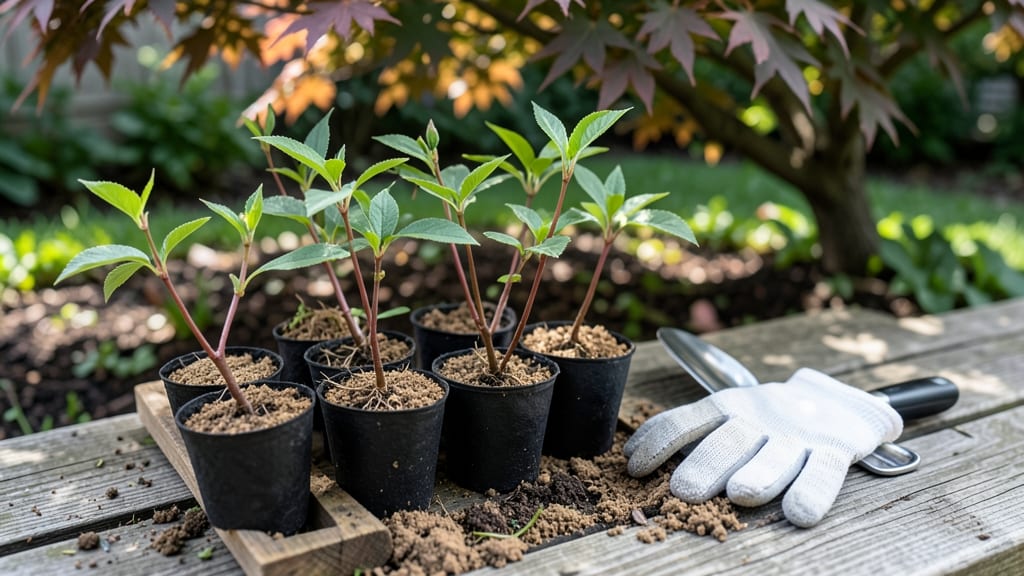
Growing sakura tree seedlings starts with the right soil mix—layered just like the delicate petals they'll produce one day. 🌸 I learned the hard way that regular potting soil leads to weak roots, but this three-layer technique gives them the perfect foundation to thrive.
The secret lies in mimicking their natural forest floor environment, where organic matter, drainage, and aeration work together.
Begin with 2 inches of coarse sand at the bottom for drainage, then add 3 inches of compost mixed with pearlite to keep roots airy. Top with 2 inches of high-quality potting soil—this combo prevents soggy roots while holding enough moisture.
Plant seeds ¼ inch deep and keep them in a warm, humid spot until sprouts appear in 2-4 weeks. Patience here pays off with stronger seedlings that handle transplanting like pros.
Once sprouted, place seedlings in bright, indirect light (no harsh midday sun yet) and water when the top ½ inch of soil feels dry. Overwatering is the #1 killer—yellow leaves mean you're drowning them.
After 6-8 weeks, when they've got 3-4 true leaves, it's time to transplant them into individual pots with the same layered mix. You'll see the difference in their sturdy stems and vibrant green leaves compared to flimsy store-bought starts.
By late spring, these seedlings will be ready for their permanent home in the ground, where they'll grow into trees that bloom with pink clouds every season. The layered soil method isn't just about survival—it's about setting them up for decades of growth.
Keep an eye out for aphids early on, and you'll have sakura trees that outperform anything from a nursery.
📚 In This Guide
- What you need
- Instructions
- Tips and common mistakes
- Wrapping up and next steps
What you need
- ● Sakura tree seedlings: 3–5 healthy, bare-root or potted seedlings (1–2 years old, ~12–18 inches tall).
- ● Well-draining soil mix: 3 parts topsoil, 2 parts perlite or coarse sand, 1 part compost (sterilized). ~5–10 gallons total, depending on pot size.
- ● Containers: 2–3 5–7 gallon pots with drainage holes (or a raised bed if planting outdoors).
- ● Layered soil components: Gritty layer: 1–2 inches of gravel or small rocks (¼–½ inch size).
- ● Moisture-retentive layer: 2–3 inches of peat moss or coconut coir.
- ● Root zone: 4–6 inches of your custom soil mix.
- ● Watering can: With a fine rose nozzle for gentle hydration.
- ● Pruning shears: Sterilized, sharp shears (for trimming roots if needed).
- ○ pH testing kit: Optional but recommended—aim for 5.5–6.5 (sakuras love slightly acidic soil!).
- ● Mulch: Pine bark fines or straw (1–2 inches) to retain moisture.
- ● Slow-release fertilizer: Balanced 10-10-10 (sprinkle lightly on topsoil).
- ● Root stimulator: Mycorrhizal fungi or seaweed extract to boost root growth.
- ● Shade cloth: 30–50% coverage if seedlings are in direct sun (first 2–3 weeks).
- ● Humidity dome: Clear plastic wrap or a mini greenhouse for seedlings.
- ● Label tags: To track varieties (e.g., Prunus serrulata ‘Kanzan’).
How to grow sakura tree seedlings with layered soil for robust growth
Here's the method I've refined over seasons—layered soil boosts root strength and drought resistance from the start.
🌱 Step 1: Prepare the Growing Medium with Three Essential Layers
Start with a sterile seed-starting mix as your base layer, filling the container to 1/3 full. This lightweight medium holds moisture while allowing airflow to prevent fungal issues. Next, add a 1-inch layer of coarse sand or perlite—this creates drainage channels that sakura roots love, preventing waterlogging that can rot tender seedlings.
Top with 1 inch of fine, organic compost (like worm castings). This layer introduces beneficial microbes and slow-release nutrients that sakura seedlings will tap into as roots develop. Press each layer gently with your fingers—just enough to settle it without compacting. The goal is to mimic the natural forest floor where sakura trees thrive.
💧 Step 2: Plant Seeds at the Right Depth and Water Strategically
Place 2-3 seeds per pot (since sakura germination rates vary) at a depth of ¼ inch, spacing them 1 inch apart. Cover them with a thin layer of the seed-starting mix—just enough to obscure them completely. Water immediately with a fine mist until the soil surface looks uniformly damp but not saturated. Overwatering here will bury seeds too deep, delaying germination.
I like to water from the bottom by placing the pot in a shallow tray of lukewarm water for 10 minutes. This ensures even moisture without disturbing the seeds. Afterward, let excess water drain completely—sakura seedlings hate soggy roots. Place the tray in a warm spot (70-75°F) where seeds can germinate in 2-4 weeks. Patience is key here; sakura seeds are slow to sprout.
☀️ Step 3: Provide Indirect Light and Gradual Sun Exposure
Once seedlings emerge, move them to bright, indirect light for the first 2 weeks. Direct sunlight at this stage will scorch delicate leaves. I position my seedlings 3 feet from an east-facing window where they get gentle morning light without harsh afternoon rays. You'll know they're getting enough light when the first true leaves appear bright green and slightly cupped—not pale or stretched.
After 2 weeks, gradually introduce 2-3 hours of morning sun daily, increasing by 1 hour each week. Sakura seedlings need full sun (6+ hours) by the time they're 6 inches tall, but the transition must be slow. Watch for leaves that look dull or crispy—this means you've moved them too quickly. A sheer curtain over the window helps diffuse light during the adjustment period.
🌿 Step 4: Thin Seedlings and Encourage Strong Root Development
When seedlings reach 2-3 inches tall (usually 4-6 weeks after planting), thin to the strongest seedling per pot. Use sharp scissors to snip unwanted stems at soil level—pulling risks damaging roots of remaining plants. The winning seedling should have thick stems, deep green leaves, and no signs of yellowing. This single plant will now have room to develop a robust root system in the layered soil.
At this stage, I switch to bottom-watering to encourage deep root growth. Place the pot in a tray of water for 15 minutes, then let it drain completely. This method forces roots downward through the sand layer, creating a stronger anchor for future transplanting. Fertilize lightly with a diluted fish emulsion (5-5-5) every 4 weeks—sakura seedlings are light feeders, and too much fertilizer burns tender roots.
⏰ Step 5: Harden Off and Prepare for Outdoor Planting
Begin hardening off 4-6 weeks before your last frost date. Start by placing seedlings outside in a sheltered, shaded spot for 1 hour on day one, gradually increasing time by 1 hour daily. After 1 week, introduce 2 hours of morning sun. You'll know they're ready for full sun when they don't wilt and leaves stay firm and vibrant. Sakura seedlings are sensitive to cold drafts, so avoid windy areas during this process.
For transplanting, dig a hole twice as wide as the root ball and slightly deeper. Amend the native soil with 1 part compost to help the layered soil integrate. Water deeply after planting to settle the roots, then mulch with 2 inches of wood chips to retain moisture and regulate soil temperature. The first year is critical—sakura trees establish slowly, so protect young plants from late frosts with frost cloth if needed.
Tips & tricks for perfect sakura tree seedlings
These layered soil secrets will transform your sakura seedlings from delicate sprouts to resilient young trees.
Layer Composition: The three-layer system in Step 1 isn't just about drainage—it's about creating an ideal root environment. The 1/3 seed-starting mix should be fluffy yet moist; if it clumps when squeezed, add a bit more perlite to improve aeration. For the 1-inch sand layer, I recommend perlite over sharp sand because it won't compact over time. The 1-inch compost top should be fine but not powdery—think crumbly like coffee grounds. This stratification mimics sakura's native forest floor where roots encounter different soil textures naturally.
Germination Strategy: Sakura seeds are notorious for slow germination, but the 10-minute bottom-watering technique in Step 2 makes all the difference. Use lukewarm water (around 75°F) to activate enzymes without shocking the seeds. After watering, place pots in a clear plastic bag to create a humid microclimate—this can cut germination time from 4 weeks to as little as 2 weeks. Just remember to remove the bag daily for 10 minutes to prevent mold. Patience is key, but these conditions give your seeds their best chance.
Light Transition: The gradual sun exposure in Step 3 is where most beginners struggle. Start by placing seedlings 3 feet from an east-facing window—this gives gentle morning light without the harsh afternoon sun. After 2 weeks, introduce 2-3 hours of morning sun by moving them closer to the window or using a grow light on a timer. Watch for leaves that develop a dull sheen—this is your warning sign to slow down the transition. I've found that placing a sheer white curtain over the window helps diffuse light while still providing plenty of brightness for photosynthesis.
Thinning Technique: When thinning in Step 4, timing is everything. Wait until seedlings reach 2-3 inches and have developed their first true leaves—this ensures you're not removing plants too early. Use sharp scissors to cut stems at soil level rather than pulling, which can damage the remaining plant's roots. The strongest seedling will show itself through thicker stems and darker green leaves. After thinning, give the remaining plant 15 minutes of bottom-watering to help it recover from the shock and establish deeper roots in the layered soil.
Pro Tips for Sakura Tree Seedlings
- These layered soil secrets will transform your sakura seedlings from delicate sprouts to resilient young trees.
- Layer Composition: The three-layer system in Step 1 isn't just about drainage—it's about creating an ideal root envir...
- Germination Strategy: Sakura seeds are notorious for slow germination, but the 10-minute bottom-watering technique in...
Frequently asked questions
Got questions about nurturing sakura tree seedlings? You’re not alone! Here are answers to the most common queries—from timing to troubleshooting—to help your young trees thrive with confidence.
When is the best time to plant sakura tree seedlings?
Plant sakura tree seedlings in early spring (after the last frost) or late fall (before winter dormancy). Avoid extreme heat or cold, which can stress young roots. If planting in containers, use well-draining soil and keep them in partial shade until established.
How long does it take for sakura seedlings to grow into mature trees?
Sakura trees grow at a moderate pace—expect 5–10 years for full maturity (15–30 feet tall). Patience pays off! Layered soil techniques (like those in this guide) can accelerate root development, but blooms may take 5–7 years post-planting. Prune lightly in early spring to encourage stronger growth.
Can I grow sakura trees from cuttings instead of seedlings?
Yes! While seedlings are easier, you can propagate sakura trees from semi-hardwood cuttings (taken in late summer). Dip the cut end in rooting hormone, plant in moist perlite/sand mix, and cover with a plastic bag to retain humidity. Success rates vary—seedlings are still the most reliable method for beginners.
Why are my sakura seedlings wilting even after watering?
Wilting often signals root stress or overwatering. Check soil moisture—it should be damp but not soggy. Ensure proper drainage (layered soil helps!) and avoid compacted roots. If leaves yellow, it may be nutrient deficiency; fertilize lightly with a balanced 10-10-10 mix in spring.
Do sakura tree seedlings need full sun?
Young seedlings prefer partial shade (4–6 hours of sun daily) to prevent leaf scorch. Mature sakura trees thrive in full sun, but gradual acclimation (like moving pots outdoors over weeks) reduces transplant shock. Mulch around the base to retain moisture and regulate soil temperature.
Wrapping up and next steps
Growing sakura tree seedlings with layered soil isn’t just about aesthetics—it’s a game-changer for root strength and long-term health! 🌱 By mimicking nature’s own soil composition, you’re setting your seedlings up for resilience, vibrant blooms, and a future that’s as stunning as it is sturdy.
Whether you’re a seasoned gardener or a curious beginner, this method proves that small efforts yield big rewards.
Ready to watch your sakura thrive? Grab those seedlings, roll up your sleeves, and give layered soil a try—your future tree (and future spring views!) will thank you. Start small, dream big!