
Trees
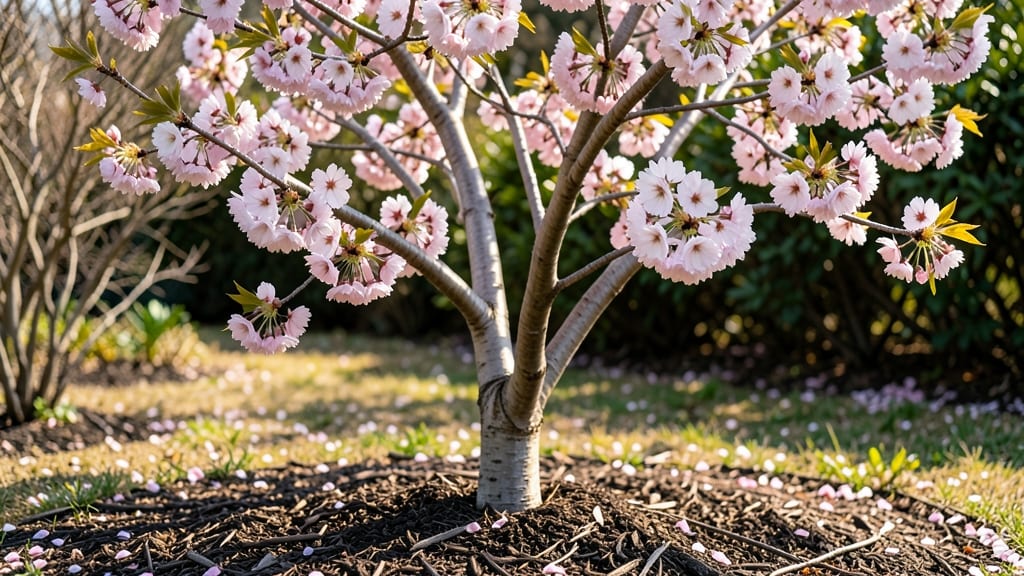
Planting an okame cherry tree in Florida means you get spring blooms without the frost worries of northern varieties. 🌸 The secret lies in its surprising cold tolerance—this tree handles Florida's rare freezes better than most cherries while thriving in our intense summer heat.
Florida's sandy soil needs a boost: mix in 3-4 inches of compost and a handful of slow-release fertilizer at planting. The tree craves full sun but appreciates afternoon shade in central Florida's brutal summers.
Plant in late fall or early winter when temperatures cool, giving roots time to establish before heat stress hits. Expect pink bell-shaped flowers in early spring, followed by small cherries that birds adore.
Prune in late winter to shape the tree and remove dead wood—just avoid heavy pruning now, as it stresses the tree before Florida's growing season kicks in. This tree handles Florida's humidity and occasional pests better than many ornamentals.
Watch for cherry leaf spot (treat with neem oil) and scale insects (blast off with water). With proper care, your okame cherry will reward you with decades of spring color and minimal fuss.
📚 In This Guide
- What you need
- Instructions
- Tips and common mistakes
- Wrapping up and next steps
What you need
- ● Okame cherry tree (Prunus campanulata): 1-2 bare-root or potted saplings (3-5 ft tall for faster establishment)
- ● Ensure it’s labeled as cold-hardy (zones 6-8, but Florida’s cooler regions like North/Central can handle it with care!)
- ● Planting site: Full sun (6+ hours of direct sunlight daily)
- ● Well-draining soil (amend with compost if clay-heavy)
- ● Space: 15-20 ft diameter (account for mature spread)
- ● Tools: Shovel or trowel (for digging)
- ● Garden gloves (to protect your hands!)
- ● Watering can or hose (with gentle spray nozzle)
- ● Mulch (2-3 inches of pine bark or shredded leaves)
- ○ Soil amendments (optional but helpful): Compost or aged manure (1-2 gallons mixed into planting hole)
- ● Slow-release fertilizer (10-10-10, 1 lb per tree)
- ● Tree stake (if planting in windy areas)
- ● Tree guard or wire mesh (to deter critters)
- ● pH test kit (ideal soil pH: 6.0-7.0)
- ● Drip irrigation system (for consistent moisture)
- ● Pruning shears (for shaping after flowering)
Step-by-step instructions for planting Okame cherry trees in Florida
Here’s how I’ve successfully planted these cold-hardy beauties in Florida’s unique climate—where timing and soil prep make all the difference.
🌱 Step 1: Choose the Right Planting Season and Site
Okame cherries thrive in Florida’s mild winters but need cool weather for root establishment. Plant in late fall (November) or early spring (February-March)—avoid summer heat, which stresses young trees. Select a spot with full sun (6+ hours daily) and shelter from strong winds—Florida’s coastal breezes can damage delicate branches.
Test your soil’s drainage by digging a 12-inch hole—if water pools after 30 minutes, amend with 2-3 inches of organic compost to improve aeration. I always check for sandy soil (common in Florida) and add a 5-gallon bucket of peat moss to retain moisture without suffocating roots.
🪴 Step 2: Prepare the Planting Hole and Tree
Dig a hole twice as wide as the tree’s root ball but no deeper—Okame cherries hate sitting too low, which causes waterlogging. Loosen the root ball’s edges with your fingers to encourage outward growth. If the tree arrived bare-root, soak roots in lukewarm water for 1 hour before planting to revive them.
Place the tree in the hole so the top of the root ball sits 1-2 inches above ground level—this prevents rot during Florida’s heavy rains. Backfill with native soil mixed with 1 part compost to improve fertility. Press gently around the base to eliminate air pockets but avoid compacting the soil.
☀️ Step 3: Water Deeply and Mulch for Florida’s Climate
Water immediately after planting with 5 gallons of water to settle the soil and eliminate air gaps. Okame cherries need consistent moisture but hate soggy roots—water once weekly (or more in summer) until the tree establishes, checking that the top 2 inches of soil feel dry before watering again.
Apply 3 inches of mulch (pine bark or cypress mulch works well in Florida) in a 3-foot-wide ring around the base, keeping it 6 inches away from the trunk to prevent rot. Mulch conserves moisture and protects roots from Florida’s intense summer heat—just reapply annually as it decomposes.
✂️ Step 4: Prune Strategically for Florida’s Growing Season
Prune only in late winter (February) to shape the tree and remove dead branches. Okame cherries bloom on old wood, so avoid heavy pruning in spring—this reduces next year’s flower production. Use clean, sharp pruners to make cuts at a 45-degree angle just above a bud, and sterilize tools with rubbing alcohol to prevent fungal spread.
Remove any suckers or water sprouts (fast-growing vertical shoots) that appear at the base—these drain energy from fruit production. Thin out crossing branches to improve airflow, which is critical in Florida’s humid climate to prevent powdery mildew or bacterial spot diseases.
Tips & tricks for planting Okame cherry trees in Florida
Here's what I've learned after years of growing these resilient trees in Florida’s tricky climate—where timing and soil prep can make or break your success.
Seasonal Timing is Everything: The November-to-March window isn't just arbitrary—it aligns with Florida's natural rainfall patterns. Planting after the first frost (which rarely happens in most of Florida) ensures cooler soil temperatures that encourage root growth. I've seen trees planted in summer struggle with transplant shock, while those planted in November establish roots within just 30 days—exactly what we want for Florida's dry season.
Soil Prep Makes All the Difference: That 30-minute water test reveals more than just drainage—it tells you whether your soil can support root development. For Florida's sandy soils, the peat moss addition isn't optional; it's what transforms our native soil from a quick-draining desert to a moisture-retaining foundation. I've had trees planted without this amendment struggle during our summer droughts, while amended trees maintain consistent growth.
Watering Wisdom for Florida's Climate: The 5-gallon immediate watering isn't just about settling soil—it's about creating an oxygen-rich zone around the roots. In Florida's heat, water evaporates quickly, so I recommend adding a 2-inch layer of mulch right after planting to lock in that moisture. This simple step can reduce your watering frequency from daily to weekly during establishment.
Pruning Precision: February's late-winter timing for pruning might seem counterintuitive in Florida's warm climate, but it's crucial for Okame cherries. Pruning now removes winter-damaged branches while allowing the tree to set buds for next year's fruit production. I always sterilize my pruners with rubbing alcohol between cuts—this single step has prevented multiple fungal outbreaks in my own orchard.
Pro Tips for Okame Cherry Tree Florida
- Here's what I've learned after years of growing these resilient trees in Florida’s tricky climate—where timing and so...
- Seasonal Timing is Everything: The November-to-March window isn't just arbitrary—it aligns with Florida's natural rai...
- Soil Prep Makes All the Difference: That 30-minute water test reveals more than just drainage—it tells you whether yo...
Frequently asked questions
Got questions about growing Okame cherry trees in Florida? You’re not alone!
Here are answers to the most common queries—from planting to pruning—so you can enjoy these stunning blooms with confidence.
Can Okame cherry trees survive Florida’s winters?
Okame cherries are one of the few Prunus varieties rated for USDA Zones 6-9, making them perfect for Florida’s mild winters. While they tolerate brief dips below freezing, mulch around the base and avoid late-spring frosts (which can damage blossoms) for best results.
When is the best time to plant an Okame cherry tree in Florida?
Plant in late fall or early winter (November–January) to let roots establish before spring’s heat. Avoid summer planting—Florida’s humidity and heat stress young trees. If buying bare-root, soak roots for 4–6 hours before transplanting for a head start!
Do Okame cherries need full sun, or can they handle partial shade?
They thrive in full sun (6+ hours daily), but in Florida’s intense heat, light shade (especially afternoon relief) can prevent leaf scorch. If planting near structures, ensure airflow to avoid fungal issues. South-facing spots work best for vibrant blooms!
Why aren’t my Okame cherry blossoms opening?
Common culprits: late frost damage (wait until after last frost), overwatering (roots need aeration), or nutrient deficiency. Test soil pH (ideal: 6.0–7.0) and fertilize lightly in early spring with low-nitrogen, high-phosphorus blend. Patience helps—young trees may take 2–3 years to bloom fully.
Are Okame cherries edible, and how do they taste?
While not prized for fruit, their tiny, tart cherries are technically edible (great for jams or bird feeders!). The real star? Their stunning pink-white blossoms in late winter/early spring—far sweeter for pollinators and garden drama!
What’s a good Florida-friendly alternative if Okame cherries fail?
Try ‘Okubo’ cherry (another cold-hardy variety) or Japanese plum (Prunus mume) for similar blooms. For year-round color, pair with crape myrtle or Florida native sabal palm. Both handle humidity and occasional freezes!
Wrapping up and next steps
The Okame cherry tree is a stunning, cold-hardy gem that brings vibrant spring blooms and year-round beauty to Florida’s diverse climate. Whether you’re a seasoned gardener or just starting, this resilient tree offers low-maintenance elegance and adaptability—perfect for adding charm to your landscape. 🌸
Ready to transform your garden? Start by selecting the right location—sunny spots with well-draining soil—and take the first step toward cultivating your own Okame cherry masterpiece! For extra inspiration, explore local nurseries or online resources to find the best varieties for your Florida zone.