
How To
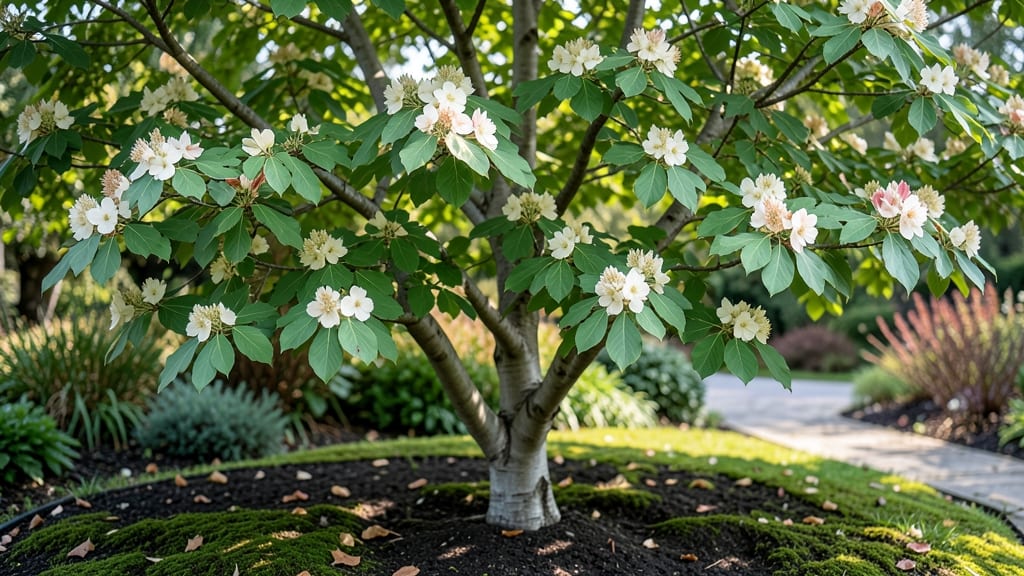
A dogwood tree can grow anywhere from 10 to 35 feet tall, depending on the species and growing conditions — and that range makes all the difference in your yard's design.
Picture this: a delicate 🌳 flowering dogwood casting dappled shade over a garden bench, or a Pacific dogwood stretching skyward as your backyard's centerpiece. The height isn't just about space; it's about the statement your tree will make.
Some varieties stay compact, perfect for small landscapes, while others reach towering heights that rival maples. Whether you're planning a cozy corner or a grand focal point, knowing these heights helps you pick the perfect fit.
Below, we'll break down exact heights by species, how pruning affects growth, and which varieties grow fastest for quick shade solutions.


Dogwood tree height by species: exact mature heights and growth habits
Choosing the right dogwood tree for your landscape starts with understanding their mature sizes. These stunning trees range from compact shrubs to towering shade providers, each offering unique growth habits.
Whether you need a small accent tree or a large focal point, knowing exact dimensions ensures proper spacing and long-term satisfaction.
Dogwood trees grow at different rates depending on species, climate, and care. Some varieties reach their maximum height in 10-15 years, while others take decades.
The spread measurement is equally important—some varieties develop wide canopies, while others stay more upright. Let's explore the most popular species and their precise dimensions.
🌳
| Species | Common Name | Mature Height | Spread | Growth Rate | Best For |
|---|---|---|---|---|---|
| Cornus florida | Flowering Dogwood | 15-25 ft | 20-30 ft | Moderate (1-2 ft/year) | Shade, spring blooms |
| Cornus nuttallii | Pacific Dogwood | 30-40 ft | 25-35 ft | Fast (2-3 ft/year) | Large landscapes |
| Cornus kousa | Kousa Dogwood | 15-25 ft | 15-25 ft | Slow-Moderate (1 ft/year) | Small gardens |
| Cornus alternifolia | Pagoda Dogwood | 12-20 ft | 10-15 ft | Slow (6-12 in/year) | Multi-stemmed shrubs |
| Cornus officinalis | Chinese Dogwood | 10-15 ft | 10-15 ft | Slow (6-12 in/year) | Small spaces |
The Cornus florida (Flowering Dogwood) is the most common variety in North America, reaching 15-25 feet tall with a 20-30 foot spread. Its moderate growth rate makes it ideal for medium-sized yards where you want a balance of shade and blooms.
Plant it 15-20 feet from structures to accommodate its mature spread.
For large landscapes, the Pacific Dogwood (Cornus nuttallii) is a standout, growing 30-40 feet tall with a 25-35 foot spread. This variety grows 2-3 feet per year, making it one of the fastest-growing dogwoods.
Its massive size requires ample space and is best suited for backyard focal points.
The Kousa Dogwood (Cornus kousa) offers a more compact option, reaching 15-25 feet tall with a slightly narrower spread. Its
How pruning affects dogwood tree height: best practices for size control
Pruning your dogwood tree isn't just about shaping its silhouette—it directly influences how tall it grows. With proper techniques, you can maintain a compact 10-foot shrub or encourage a 35-foot shade giant.
The key lies in timing, tools, and understanding your dogwood's natural growth patterns. Let's explore how to control height while keeping your tree healthy and thriving.
Dogwood trees respond best to light pruning during their dormant season, typically late winter or early spring. This approach minimizes stress while allowing you to shape growth for the upcoming season.
Summer pruning is possible but requires more caution to avoid sunburn on exposed bark or encouraging excessive new growth that can weaken the tree.
Before you reach for your pruners, gather the right tools: sharp bypass pruners for small branches, loppers for thicker stems, and a pruning saw for larger limbs.
Always sterilize your tools with rubbing alcohol to prevent spreading disease between cuts. Remember, dogwood wood is brittle—never force cuts or you risk tearing the bark.
⚠️ Height Shock Hazard
Dogwoods can grow up to 35 feet if left unpruned, but aggressive height reduction in one season can shock the tree and stunt future growth. Never remove more than 25% of the canopy in a single pruning session—this includes both height reduction and thinning cuts combined.
For standard varieties, limit height reduction to 1-2 feet per year. Dwarf varieties (8-12 feet) need even gentler pruning—focus on shaping rather than significant height control.
When pruning for height control, always cut just above a bud or branch collar at a 45-degree angle. This promotes faster healing and reduces disease risk. For vertical growth control, target the uppermost branches first, working your way down.
Avoid "heading back" (cutting back to a lateral branch) unless you're encouraging bushier growth—this can lead to weak, leggy growth in dogwoods.
Timing matters most for height control. Winter pruning (December-February) gives you the clearest view of the tree's structure while it's dormant. Spring pruning (March-April) works well for shaping but may encourage more vigorous growth.
Never prune in late summer or fall—this can stimulate tender new growth that won't harden off before winter, making your dogwood vulnerable to cold damage.
Common pruning mistakes that harm dogwood height include over-pruning, improper cut angles, and removing too many branches at once. Another critical error is pruning wounded wood—dogwoods are particularly susceptible to fungal diseases like anthracnose when their bark is damaged.
Always make clean cuts and avoid leaving stubs that can trap moisture and invite pests.
For maximum height control, combine pruning with proper fertilization and watering. Dogwoods need well-draining soil and consistent moisture to grow at their optimal rate. Apply a balanced fertilizer in early spring, then water deeply once a week during the growing season.
This support helps your tree recover from pruning stress while maintaining your desired height.