
Pruning
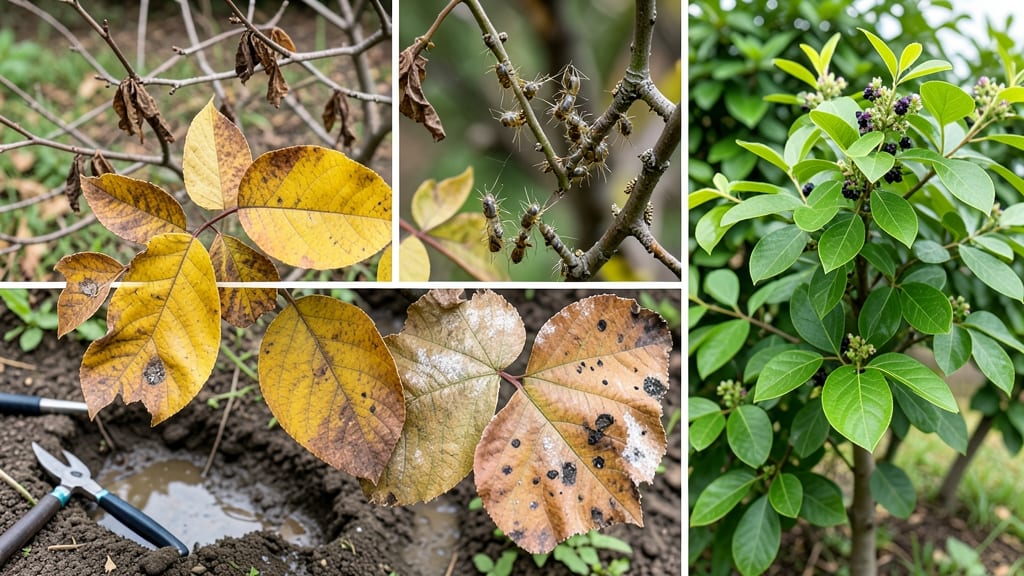
Chinese pistache trees turn into leafy messes when pests and stress take over—here’s how to diagnose and fix the 5 most common problems before they ruin your tree. 🌿 I’ve seen these trees go from striking gold-and-green canopies to sad, skeleton-like branches in just one season, and the fixes are simpler than you’d think.
The biggest culprits? Spider mites hiding on the undersides of leaves, scale insects gluing themselves to branches, and powdery mildew that looks like someone dusted flour everywhere. Drought stress and poor soil drainage also turn your tree into a wilting disaster—especially in hot climates where roots struggle to keep up.
You’ll spot the damage fast: yellowing leaves, sticky residue on branches, or a fine webbing between stems. The good news? Most issues respond to quick treatments—neem oil sprays, proper watering schedules, or a good pruning session to improve airflow.
I’ll walk you through exactly what to do, so your tree bounces back in weeks, not years. Whether it’s a young sapling or a mature tree, these fixes work for any Chinese pistache. Let’s get your tree thriving again—no guesswork, just results.
Root Causes Behind Common Issues
Understanding why your Chinese pistache (Pistacia chinensis) struggles is the first step to fixing it. This hardy tree thrives in the right conditions, but environmental stress, biological threats, or even human error can trigger problems.
Let’s break down the science behind the most frequent culprits—so you can address them with precision.
---
Chinese pistache trees are drought-tolerant but not soil-forgiving. When planted in the wrong substrate, they’ll show signs of distress—yellowing leaves, stunted growth, or even leaf scorch—even if watering seems adequate.
Why it happens: - Compacted or Clay-Heavy Soil 🧱: Poor drainage causes root asphyxiation. Pistachios hate "wet feet" and suffocate when roots sit in waterlogged conditions. Clay soils also restrict root expansion, limiting nutrient uptake. - Nutrient Deficiencies 🌿: While pistachios are low-maintenance, they do need balanced nutrition. Deficiencies in magnesium (Mg), iron (Fe), or zinc (Zn)—common in alkaline soils—lead to interveinal chlorosis (yellowing between leaf veins) or brittle new growth. - pH Imbalance 🔬: Chinese pistachios prefer slightly acidic to neutral soil (pH 6.0–7.5). Soils with pH >8.0 (common in arid regions) lock out essential nutrients like iron and manganese, causing micronutrient starvation.
Actionable fix: Test your soil (DIY kits work!) and amend with compost, gypsum (for clay), or sulfur (to lower pH). For deficiencies, use a slow-release fertilizer with micronutrients in early spring.
---
This tree’s native range spans dry, rocky slopes in China—but that doesn’t mean it’s immune to modern urban or suburban stressors. Heat, wind, and improper watering create a perfect storm for problems.
Why it happens: - Overwatering or Underwatering 💦: Pistachios are drought-tolerant but hate soggy roots. Overwatering leads to root rot (caused by Phytophthora fungi), while chronic underwatering causes leaf scorch (brown, crispy edges) and premature leaf drop. - Salt Buildup in Soil 🧂: In arid climates or areas with hard water, sodium and chloride accumulate in the root zone, disrupting water uptake. Symptoms? Leaf tip burn and stunted shoots. - Extreme Heat or Cold Shock ❄️☀️: While pistachios handle heat well, sudden temperature swings (e.g., late frost after buds swell) or prolonged heatwaves (>100°F) cause flower drop or bud blasting (buds fail to open).
Actionable fix: - Water deeply but infrequently (1–2 inches per week, less in winter). - Mulch heavily (3–4 inches of wood chips) to retain moisture and regulate soil temp. - Avoid fertilizing in extreme heat—it stresses the tree.
---
A healthy Chinese pistache resists many pests, but stress (from poor care) opens the door to invaders. The most common offenders target leaves, bark, and roots.
| Problem | Culprit | Why It Strikes | |---------------------------|--------------------------------------|-----------------------------------------------------------------------------------| | Yellowing, Curling Leaves | Spider Mites 🕷️ | Thrive in dry, hot conditions; pierce cells to suck sap, causing stippling. | | Holes in Leaves | Japanese Beetles 🐞 | Feed on foliage; outbreaks spike after hot, dry summers. | | Oozing Sap, Bark Damage | Scale Insects 🐛 | Secret honeydew; attract sooty mold.
Weak trees (from drought or poor soil) are prime targets. | | Sudden Leaf Drop | Verticillium Wilt (Fungus) 🍄 | Spreads in poorly drained soils; clogs xylem vessels, cutting off water flow. |
Actionable fix: - Prune infected branches (sterilize tools with 70% alcohol). - Apply horticultural oil (for mites/scale) or neem oil (for beetles) in early spring. - Improve drainage to prevent fungal wilt.
--- Chinese pistachios are low-maintenance, but aggressive or improper pruning can weaken the tree, inviting disease or poor structure.
Why it happens: - Topping the Tree 🪓: Cutting back the top to "control height" removes the apical bud, causing sprout clusters (weak, crowded growth) and sunburn on exposed branches. - Pruning at the Wrong Time ⏳: Trimming in late summer/fall encourages new growth that won’t harden off before winter, leading to frost damage. - Over-Pruning Young Trees 🌱: Removing >25% of foliage in one session stresses the tree, reducing photosynthesis and root development.
Actionable fix: - Prune in late winter/early spring (dormant season). - Use the "thinning cut" method—remove entire branches at the collar, not just snipping leaves. - Never remove >30% of foliage in one session.
--- Chinese pistachios love hot, dry climates but struggle in humid or coastal regions. Poor adaptation leads to fungal issues, bark splits, or dieback.
Why it happens: - High Humidity + Fungal Pressure 🌧️: Species like anthracnose or powdery mildew thrive in stagnant, moist air, causing leaf spots or premature defoliation. - Salt Spray (Coastal Areas) 🌊: Salt-laden winds burn foliage and accumulate in soil, mimicking over-fertilization damage. - Urban Pollution 🏙️: Ozone and particulate matter clog stomata, reducing the tree’s ability to photosynthesize and transpire.
Actionable fix: - Choose the right location: Avoid low-lying areas (poor drainage) or sheltered spots (high humidity). - Rinse foliage with water after salt spray events. - Use a fungicide preventative (like copper-based sprays) in humid climates.
--- Pro Tip: 💡 Most Chinese pistache problems start with stress—whether from soil, water, or pests. Address the root cause (literally!) first, then treat symptoms.
Quick Fixes for Chinese Pistache
When your Chinese pistache tree shows signs of stress, acting fast can make all the difference. Below are practical, step-by-step solutions for the most common issues—from pests to poor growth—along with prevention tips to keep your tree thriving.
---
Fix: Start by checking the soil moisture—if it’s soggy, drainage is the issue. Amend heavy clay soil with compost or sand to improve aeration. For nutrient deficiencies, apply a balanced fertilizer (10-10-10) in early spring.
Prevention Tips: - 💡 Water deeply but infrequently—Chinese pistaches hate "wet feet." - 🌡️ Test soil pH (ideal: 6.0–7.5). If too alkaline, add sulfur. - ✨ Mulch with wood chips to retain moisture and regulate soil temp.
---
Fix: - 🔥 Spray with neem oil (mix 1 tbsp neem oil + 1 tsp mild soap in 1 quart water) to suffocate pests. - 👨🍳 For severe cases, use horticultural oil (apply in early morning/evening). - 🔪 Prune and dispose of heavily infested branches to stop spread.
Prevention Tips: - 🎯 Encourage beneficial insects (ladybugs, lacewings) with dill or fennel nearby. - 🌿 Inspect new plants before bringing them home—quarantine for 2 weeks.
---
Fix: - 🥘 Move the tree to a spot with morning sun + afternoon shade if in a hot climate. - 💧 Water deeply (1–2 inches per week) but reduce frequency if roots are waterlogged. - 🌱 If recently transplanted, trim 1/3 of the canopy to reduce stress.
Prevention Tips: - 🔥 Avoid planting in low-lying areas where cold air pools (frost damage risk). - 📊 Mulch 3–4 inches deep to protect roots in extreme temps.
---
Fix: - 🍳 Prune in late winter/early spring to open the canopy and encourage bushier growth. - 🔪 Remove "water sprouts" (suckers) at the base to redirect energy. - 🌱 Fertilize with low-nitrogen, high-phosphorus (e.g., 5-10-10) to boost root development.
Prevention Tips: - ✨ Plant in well-draining soil—Chinese pistaches hate soggy roots. - 🌡️ Space trees 15–20 ft apart to avoid competition.
--- Fix: - 🔪 Prune dead branches in late winter (after last frost) to promote new growth. - 🥘 Apply anti-desiccant spray (like Wilt-Pruf) in fall to protect leaves. - 🌱 If roots are exposed, mound extra mulch around the base for insulation.
Prevention Tips: - 💡 Choose a sheltered location (away from wind). - 🎯 Water deeply before the first frost to help roots survive drought.
--- Final Pro Tip: 🌟 Monitor your tree regularly—catching issues early (like wilting or pest clusters) means less work later. A healthy Chinese pistache is drought-tolerant, pest-resistant, and low-maintenance**—once you get the basics right!
Frequently asked questions
Why are my Chinese pistache leaves turning yellow between the veins?
This is likely iron deficiency (chlorosis), common in alkaline soils. Chinese pistachios struggle when soil pH exceeds 7.5. Test your soil and amend with chelated iron or sulfur to lower pH. Mulch with pine needles to naturally acidify the soil over time.
What should I do if my Chinese pistache has sticky residue on branches?
That sticky substance is honeydew, a sign of scale insects or aphids. Scrape off visible pests with a stiff brush, then spray with neem oil or horticultural oil in early spring. For severe cases, use systemic insecticide like imidacloprid (follow label instructions).
Can Chinese pistache trees survive in cold winters?
Yes, but they need protection. Young trees (3 years old) benefit from wrapping the trunk with burlap or tree guards. Mature trees tolerate down to 0°F, but avoid planting in low-lying areas where cold air pools. Water deeply before the first frost to help roots survive winter drought.
How often should I prune my Chinese pistache?
Prune once per year in late winter/early spring (dormant season). Remove dead, diseased, or crossing branches at the branch collar. Avoid heavy pruning—never remove more than 25% of the canopy in one session. Thinning cuts encourage better airflow and reduce pest risks.
Why does my Chinese pistache have white powdery spots on leaves?
That’s powdery mildew, a fungal disease thriving in humid conditions. Improve airflow by pruning dense branches, and apply copper fungicide or baking soda spray (1 tbsp baking soda + 1 quart water + drop of soap). Plant in full sun and avoid overhead watering to prevent recurrence.