
Trees
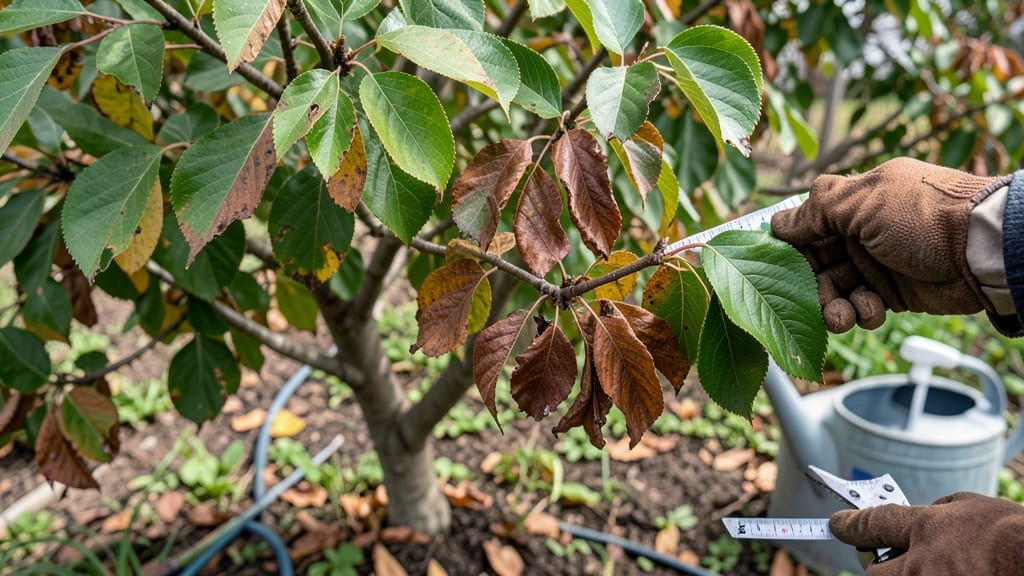
Brown leaves on your cherry tree aren’t a death sentence—just a wake-up call. 🌿 I’ve nursed back more than my share of struggling cherries, and the key is often in what you cut away (and when).
The problem might be fungal spores hiding in dead branches, pests feasting on weak foliage, or last winter’s damage still lurking. Most gardeners panic at the first brown leaf, but the real fix starts with your pruners.
I’ll show you three targeted cuts that clear out the problem zones while encouraging fresh growth—no guesswork, just science-backed technique. You’ll see new green shoots within 4-6 weeks if you time it right. The payoff? A tree that blooms heavier next spring and resists disease better.
We’re talking stronger branches, fewer fallen leaves, and that classic cherry-tree silhouette you’ve always wanted. Let’s get those branches back in shape.
First, we’ll tackle the why—because knowing the cause makes the fix foolproof. Is it leaf spot fungus (those ugly brown spots with yellow halos)? Canker disease (sunken, oozing wounds)? Or just winter burn from last year’s freeze?
Each needs a different approach, and I’ll walk you through the visual clues. Once you’ve identified the issue, the solution often comes down to selective pruning.
You’ll learn how to cut just beyond the brown (not into healthy wood), when to sterilize your tools, and which branches to remove entirely. Pro tip: Spring is your best window—but if your tree’s struggling now, we can still salvage it with the right moves.
Don’t let brown leaves fool you—this is your chance to reset your cherry tree’s health. With the right cuts, you’ll improve airflow, sunlight penetration, and even nutrient flow to the roots. Think of it like giving your tree a deep clean before the growing season kicks in.
For extra insurance, I’ll share two simple follow-up steps that boost recovery: a targeted fertilizer blend and a preventative spray schedule. Your tree might look dormant now, but with these fixes, it’ll be bursting with life by next summer.
Understanding Leaf Discoloration Causes
When your cherry tree’s leaves turn brown, it’s often a distress signal from the tree itself. While some browning is normal—like seasonal changes—unexpected discoloration usually points to underlying issues. Below, we break down the most common reasons why cherry tree leaves brown, along with the science behind each problem.
Recognizing the cause is the first step toward restoring your tree’s health.
Cherry trees are sensitive to environmental shifts, and extreme conditions can trigger premature browning. Here’s how heat, cold, and drought play a role:
- Heat Stress:
Prolonged exposure to high temperatures (above 90°F/32°C) causes leaf scorch, where leaf edges dry out and turn brown.
This happens because the tree’s stomata (pores) close to conserve water, but the process disrupts nutrient flow, leading to cell death. Young, thin leaves are most vulnerable—they lack the protective wax coating of mature foliage.
- Cold or Frost Damage:
Sudden temperature drops below 28°F (-2°C) can cause freeze injury, where ice crystals form in leaf cells, rupturing them. Brown patches or crispy edges appear as a result. Ever-bearing cherry trees (like Prunus avium) are especially at risk if they’re not cold-hardy for your climate zone.
- Water Deficiency (Drought):
Inconsistent watering or prolonged dry spells lead to hydraulic failure—the tree can’t transport water efficiently, causing leaves to wilt and brown. Signs to watch for: Dry, brittle leaves that curl at the edges and fall prematurely. Root depth matters: Shallow roots (common in young trees) struggle to access moisture during droughts.
💡 Pro Tip: Mulch around the tree’s base (2–4 inches deep) to retain moisture and regulate soil temperature. Water deeply once a week during dry spells, aiming for 1–1.5 inches of water per session.
Pathogens thrive in moist, warm conditions, and cherry trees are prime targets for diseases that cause browning. Here’s how to identify them:
| Disease | Symptoms | Cause |
|---|---|---|
| Leaf Spot (e.g., Cercospora) | Brown, irregular spots with yellow halos; leaves may drop early. | Fungal spores spread via rain or overhead watering. Thrives in humid climates (75–85°F/24–29°C). |
| Powdery Mildew | White, powdery coating on leaves that turns brown and necrotic. | Fungal infection (Podosphaera) caused by poor air circulation and high humidity. |
| Bacterial Leaf Spot (Pseudomonas) | Small, greasy brown spots with water-soaked centers; leaves may ooze. | Bacterial spread via contaminated tools or splashing water. Worsens in wet springs. |
🔥 Prevention Tip: Space trees properly (15–20 feet apart) for airflow, avoid overhead irrigation, and sterilize pruning tools with 70% isopropyl alcohol to prevent pathogen spread.
Certain pests feed on cherry tree leaves, causing browning through direct damage or by transmitting diseases. Here’s what to look for:
- Japanese Beetles
Adult beetles skeletonize leaves (eat soft tissue, leaving veins), turning them brown and lace-like. Larvae (grubs) also damage roots, reducing the tree’s ability to absorb water.
- Spider Mites
These tiny pests suck sap, causing stippling (tiny brown dots) on leaves. Severe infestations lead to leaf curling and premature drop. Drought stress makes trees more susceptible.
- Cankerworms
Caterpillars defoliate leaves, leaving behind brown, chewed edges. Heavy infestations can kill branches if left unchecked.
🌡️ Quick Fix: Blast pests off with a strong stream of water in the early morning. For severe infestations, use neem oil or insecticidal soap (follow label instructions). Beneficial predators like ladybugs and lacewings can also help control populations.
Brown leaves can signal a lack of essential nutrients, often due to poor soil health or imbalances. Here’s how to diagnose and fix deficiencies:
| Deficiency | Leaf Symptoms | Solution |
|---|---|---|
| Nitrogen (N) | Pale green or yellow leaves with brown edges; stunted growth. | Apply a balanced fertilizer (10-10-10) in early spring. Compost or manure can also boost soil nitrogen. |
| Potassium (K) | Brown, crispy edges (especially on older leaves); weak stems. | Use a potassium-rich fertilizer (like greensand) or wood ash (sparingly). Banana peels composted into soil can help. |
| Magnesium (Mg) | Interveinal browning (brown patches between veins); yellowing between veins first. | Apply Epsom salt (magnesium sulfate)—dissolve 1 tbsp in a gallon of water and spray leaves monthly. |
💡 Soil Test Tip: Before fertilizing, test your soil’s pH and nutrient levels (ideal range for cherry trees: 6.0–7.0). Local extension offices often offer affordable testing kits.
By pinpointing the root cause—whether environmental, biological, or nutritional—you can take targeted action to revive your cherry tree’s vibrant green leaves. Next up: How to prune and care for affected branches to restore health.
Revitalize Your Cherry Tree Now
---
If your cherry tree’s leaves are turning brown, don’t panic—most issues are fixable with the right approach. Below, we’ve mapped common causes to actionable solutions, from quick fixes to long-term care. Follow these steps to nurse your tree back to health and keep it thriving.
---
Problem: Underwatering, poor drainage, or compacted soil can stress roots, causing leaves to brown and crisp.
How to Fix It: 🔥 Water Deeply (But Wisely) - Water slowly and deeply at the base (not overhead) to encourage root growth. Aim for 1–1.5 inches per week, adjusting for rain. - Use a soaker hose or drip irrigation to avoid runoff and fungal risks.
🍳 Test & Improve Soil - Dig a 6-inch hole near the tree to check moisture.
If dry, water thoroughly. - Amend heavy or clay soil with compost or organic matter (like aged bark or coconut coir) to improve drainage. - For sandy soil, add peat moss or compost to retain moisture.
👨🍳 Mulch Like a Pro - Apply 2–4 inches of mulch (wood chips, straw, or pine bark) around the drip line (not the trunk). - Keep mulch 6 inches away from the trunk to prevent rot.
💡 Pro Tip: If your tree is in a container, ensure it has drainage holes and water when the top 1–2 inches of soil feel dry.
---
Problem: Fungal infections (like powdery mildew or leaf spot) or pests (aphids, spider mites, or borers) can turn leaves brown and brittle.
How to Fix It: 🔪 Prune Infested Branches - Use sterilized pruners to remove yellowed, spotted, or curled leaves—dispose of them in a sealed bag. - Cut back to healthy green tissue (about ½ inch above the damage).
🌡️ Treat Fungal Issues - Neem oil spray (1 tsp per quart of water) or baking soda mix (1 tbsp baking soda + 1 tsp dish soap + 1 gallon water) can combat mildew. - Apply early in the morning on a dry, windless day for best results.
🎯 Combat Pests Naturally - Spider mites/aphids? Spray with soapy water (1 tsp mild soap + 1 quart water) or introduce ladybugs. - Borers? Use beneficial nematodes or borer-specific insecticide (like imidacloprid) as a last resort.
✨ Prevention Checklist: ✔ Space trees properly (3–6 feet apart) for airflow. ✔ Clean up fallen leaves to reduce fungal spores. ✔ Avoid overhead watering to keep foliage dry.
---
Problem: Nutrient deficiencies (especially iron, nitrogen, or potassium) or improper pruning can weaken leaves, leading to browning.
How to Fix It: 📊 Diagnose Deficiencies | Symptom | Likely Cause | Solution | |----------------------|------------------------|---------------------------------------| | Yellow between veins | Iron deficiency | Apply chelated iron (follow label)| | Brown edges | Potassium deficiency | Use potassium sulfate or banana peel tea | | Overall pale leaves | Nitrogen deficiency | Add compost or slow-release fertilizer |
🥗 Feed Your Tree - Spring/Fall: Use a balanced fertilizer (10-10-10 or 5-10-10) spread evenly under the drip line. - Organic option? Try fish emulsion or worm castings for a gentle boost.
🔪 Prune for Health (Not Just Looks) - Remove dead, crossing, or weak branches with clean cuts at a 45-degree angle. - Thin out dense areas to improve airflow and sunlight penetration. - Avoid pruning in late summer/fall—wait until dormant season (late winter/early spring).
💡 Pro Tip: If your tree is newly planted, hold off on heavy pruning—focus on root establishment first.
---
With these targeted fixes, your cherry tree should bounce back in 2–4 weeks. Monitor progress, adjust as needed, and soon you’ll be enjoying lush green leaves and sweet fruit again! 🌿🍒
Frequently asked questions
Why do cherry tree leaves turn brown in summer even when I water regularly?
Summer browning is often heat stress or leaf scorch. Even with regular watering, temperatures above 90°F (32°C) force stomata (leaf pores) to close, disrupting nutrient flow. Try deep watering at dawn and apply 2-3 inches of mulch to retain moisture. Young leaves are most vulnerable due to thinner protective coatings.
Can I save my cherry tree if half the branches are completely brown and leafless?
Yes, but act fast! First, check for disease or pests—remove all dead branches back to healthy green tissue using sterilized pruners. Then focus on root health: water deeply once weekly and apply compost or balanced fertilizer (10-10-10). New growth should appear within 4-6 weeks if roots are still viable.
What's the difference between brown leaves from drought and fungal disease?
Drought causes uniform browning starting at leaf edges, often with crispy texture. Fungal diseases (like leaf spot) create irregular brown spots with yellow halos, sometimes with white powdery coatings. Check undersides of leaves for spores or webbing—if present, it's likely fungal. Treat drought with water; diseases need neem oil or copper fungicide.
Is it safe to prune my cherry tree in fall when leaves are already brown?
Fall pruning is risky because it stimulates new growth that won't harden off before winter. Instead, wait until late winter/early spring (just before buds swell) to prune. Remove only dead/diseased branches now, cutting 1/4 inch above a bud. Sterilize tools with 70% rubbing alcohol to prevent spreading disease.
How do I know if my cherry tree's brown leaves are from overwatering?
Overwatering causes yellowing leaves with brown edges, often accompanied by mushy roots when dug up. The soil stays soggy for days, and you may see white fungal growth at the base. Fix it by letting soil dry completely between waterings, improving drainage with compost or sand, and ensuring the planting site has good airflow.