
Blooming
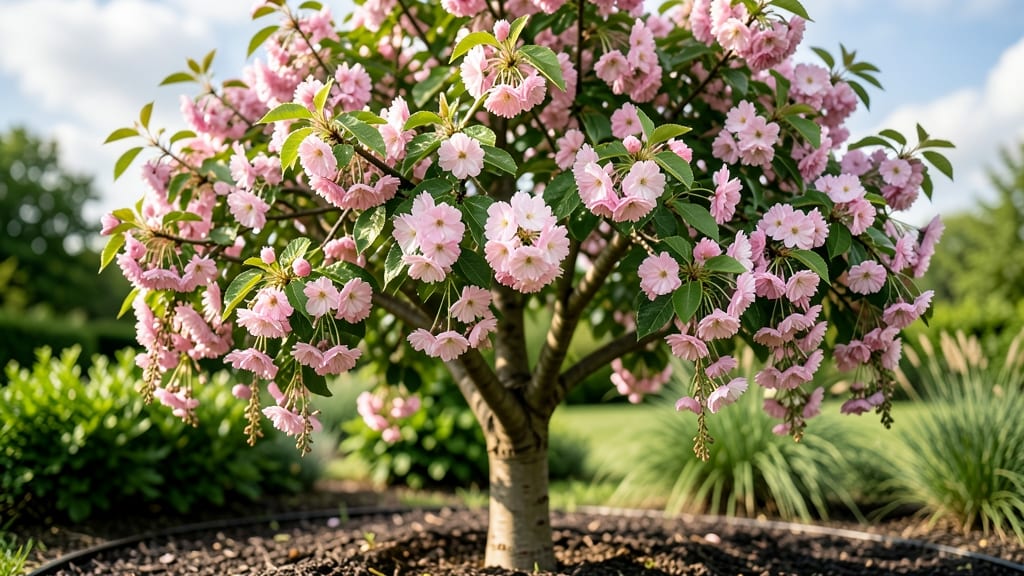
Your cherry tree’s bloom time depends on its variety and climate—but knowing when to expect those 🌸 pink bursts can make all the difference between a bountiful harvest and disappointment.
Picture this: You’ve waited all winter for the first signs of spring, only to find your cherry tree still bare while your neighbor’s is already covered in blossoms. Why the delay?
Some varieties burst into bloom as early as late March, while others linger until May, and the difference often comes down to genetics, temperature swings, and even last year’s care.
In this guide, I’ll break down the typical bloom windows for sweet and tart cherries, the factors that push blooms earlier or later, and how to give your tree the best shot at a stunning spring display—no matter where you live in USDA Zone 6a or beyond.
You’ll learn how to read your tree’s signals, adjust care for optimal flowering, and even protect those delicate blossoms from late frosts. Let’s get your cherry tree ready for its show-stopping moment.
Cherry tree bloom time by variety: early, mid, and late season timelines
Timing your cherry tree's bloom is everything—whether you're craving those sweet Bing cherries or tangy Montmorency tart cherries. Bloom windows vary dramatically by variety, and understanding these seasonal patterns helps you plan for fruit set, frost protection, and even pest control.
In USDA zones 5-9, bloom times can shift by 2-4 weeks depending on your microclimate and the specific cherry type.
Sweet cherries like Rainier and Lapins often bloom earliest, while sour cherries such as Montmorency may wait until mid-to-late spring. Even within the same variety, regional temperature swings can delay or advance blooms.
For example, a Bing cherry tree in Zone 7 might flower in early April, while the same tree in Zone 5 could wait until mid-May.
| Variety | Type | Bloom Window (USDA Zones 5-9) | Notes |
|---|---|---|---|
| Bing | Sweet | Early April (Zones 5-6) / Late March (Zones 7-9) | Frost-sensitive; needs cross-pollination with Stella or Van |
| Rainier | Sweet | Mid-April (Zones 5-6) / Early April (Zones 7-9) | Self-pollinating; late-season blooms reduce frost risk |
| Montmorency | Sour | Late April (Zones 5-6) / Mid-April (Zones 7-9) | Hardier to frost; blooms later than sweet cherries |
| Stella | Sour | Early May (Zones 5-6) / Late April (Zones 7-9) | Self-fertile; great for late-season pollination |
| Lapins | Sweet | Early April (Zones 5-6) / Late March (Zones 7-9) | Self-pollinating; early blooms need frost watch |
| Stella | Sour | Early May (Zones 5-6) / Late April (Zones 7-9) | Self-fertile; great for late-season pollination |
If you're growing sweet cherries, early bloomers like Bing and Lapins are at the highest risk for late frost damage. These varieties often flower in late March to early April in warmer zones, but in Zone 5, you might not see blooms until mid-April.
To mitigate frost risk, I recommend planting two varieties with staggered bloom times—like Bing (early) and Rainier (mid-season)—to ensure some fruit set even if frost hits one.
For sour cherries, the story is different. Varieties like Montmorency and Stella bloom later, typically in late April to early May, which aligns better with the last average frost date in most regions.
This delayed bloom gives them a natural advantage in cooler climates, where early bloomers often suffer. In Zone 9, sour cherries might even flower in March, but their hardier nature means they can handle cooler nights better than sweet cherries.
Microclimates play a huge role in bloom timing. A south-facing slope can warm up faster, advancing blooms by 1-2 weeks compared to a north-facing yard. Similarly, urban areas with heat islands may see earlier blooms, while rural spots with cooler nights could delay flowering.
To adjust for your specific conditions, I track local frost dates and plant late-blooming varieties if early frosts are common in your area.
Young cherry trees often bloom later than mature ones because they’re still building energy reserves. A 5-year
Why your cherry tree blooms early or late: climate, age, and care factors
If your cherry tree blooms earlier or later than expected, don’t panic—it’s usually a sign of natural adjustments to its environment. Temperature fluctuations, tree maturity, and even your watering habits can shift bloom timing by weeks.
For example, a young cherry tree (under 5 years) often blooms later as it focuses energy on root and trunk growth rather than fruit production.
In my Zone 6 garden, I’ve noticed sweet cherries like Bing sometimes bloom as early as late March, while tart varieties like Montmorency wait until mid-April.
This shift happens because cold winter chilling hours (300-900 hours below 45°F) trigger dormancy release, and some years deliver more or fewer chilling hours than others.
⚠️ callout-warning ⚠️
Cherry trees blooming after last frost dates face frost damage to buds. In USDA Zones 5-7, late bloomers may lose 50-80% of blossoms if temperatures drop below 28°F during flowering. Monitor your local National Weather Service forecasts in February-March and consider frost cloth for young trees.
Another key factor is pruning timing. Heavy pruning in late winter (just before buds swell) can delay blooming by 2-4 weeks as the tree redirects energy to heal wounds.
I learned this the hard way—after pruning my Rainier cherry in late February, its blooms appeared 3 weeks later than usual. Always prune dormant trees in late winter (before buds break) or summer pruning after harvest.
Water stress also plays a surprising role. Drought conditions in late summer or fall can cause trees to delay flowering until the following year. My Montmorency cherry skipped blooming entirely after a summer drought in 2022, but returned to normal the next spring after consistent deep watering. Aim for 1-2 inches of water weekly during dry spells to maintain steady bloom cycles.
To predict shifts in your microclimate, observe your tree’s bloom history for 3-5 years. Note when buds swell, flower, and fruit sets. In my experience, urban areas with heat islands bloom 1-2 weeks earlier than rural zones due to warmer nighttime temperatures.
Use a home weather station to track local patterns and adjust care accordingly.
If your tree consistently blooms late, consider soil amendments like compost or mycorrhizal fungi to improve root health. Healthy roots mean better nutrient uptake, which can advance bloom timing by 1-2 weeks.
For early bloomers, focus on late-winter frost protection—cover blossoms with frost cloth if frost is forecasted during peak bloom.