
Propagation
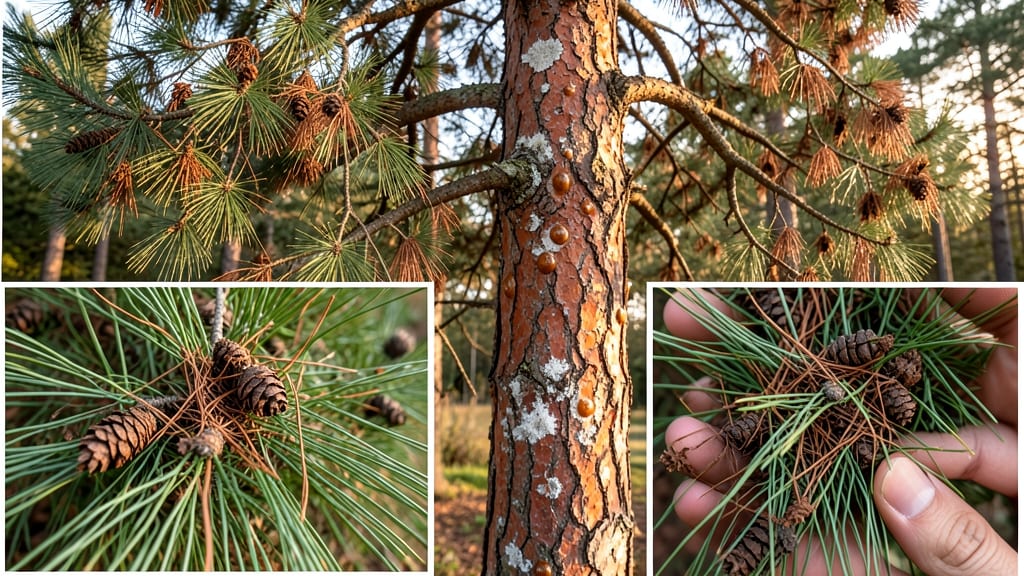
Your pine tree dying from the top down isn’t just bad luck—it’s a cry for help. 🌲 The most common culprits are Fusarium wilt, root rot, or environmental stress, and the good news is you can diagnose it in under an hour.
Start by checking the bark for discoloration or oozing sap, then dig into the soil moisture levels. If the roots smell foul or look mushy, that’s your first clue.
This isn’t just about saving the tree—it’s about understanding why it’s struggling. Overwatering, poor drainage, or even nearby construction can stress roots, while fungal diseases spread through contaminated soil.
The key is acting fast: prune dead branches, adjust watering habits, and consider soil amendments like sand or compost to improve drainage.
You’ll see progress within weeks if the issue is environmental—new growth at the base, firmer needles, and less browning at the top. For fungal infections, targeted fungicides or even removing the tree (if it’s too far gone) might be the only options.
The sooner you act, the better the chances of revival.
Prevention is easier than repair: test soil drainage, avoid overwatering, and mulch properly to keep roots healthy. If your tree is large or the problem persists, an arborist can help pinpoint the exact issue. Don’t wait—your pine tree’s health depends on it.
Root Causes Behind Top-Down Decline
When your pine tree starts shedding needles from the top down, it’s often a sign of stress or disease attacking its most vulnerable parts. Understanding the why behind this pattern is the first step to saving your tree.
Below are the most common culprits, explained in clear, actionable terms—so you can diagnose and act fast.
---
Pine trees are resilient, but prolonged heatwaves, poor soil moisture, or shallow root systems can force them into survival mode. When water and nutrients can’t reach the top branches, the tree prioritizes keeping lower branches alive—leading to browning and needle drop from the crown downward.
Key Signs: - Needles turn yellow or brown before falling (not just green). - Soil feels bone-dry even after watering. - Bark may appear cracked or sun-scorched on the south side.
What’s Happening? Pine trees rely on deep taproots to pull up water, but compacted or clay-heavy soil can strangle them. When roots can’t keep up, the tree sacrifices the top—where water demand is highest—to conserve resources below.
💡 Pro Tip: - Water deeply (1–2 inches per week) but avoid shallow sprinkling. - Mulch heavily (3–4 inches of organic mulch) to retain moisture. - Test soil moisture with a screwdriver—if it’s dry past 6 inches, roots are struggling.
---
Fungi like Sphaeropsis tip blight or Dothistroma needle blight thrive in warm, humid conditions and attack pine needles from the top down. These pathogens clog the tree’s vascular system, blocking water and nutrients—causing the crown to wither first.
Key Signs: - Needles develop black or purple bands before dropping. - White, fluffy fungal growth (spores) on infected branches. - Sudden dieback in the upper canopy, even if the tree looks healthy below.
What’s Happening? Fungal spores spread via wind or splashing water, landing on new needles where they germinate. The tree’s immune response weakens as the infection spreads, leading to top-down decline. Some fungi, like Armillaria root rot, even attack roots, cutting off the tree’s lifeline.
🔥 Action Steps: - Prune infected branches (sterilize tools with 70% alcohol). - Apply fungicide (copper-based or propiconazole) in early spring. - Improve airflow by thinning dense foliage.
---
Insects like pine bark beetles, sawflies, or spider mites target the newest, most nutrient-rich needles—starting at the top. Their feeding disrupts the tree’s ability to photosynthesize, leading to yellowing, browning, and premature needle drop.
Key Signs: - Sawdust-like frass (beetle droppings) at the base of branches. - Webbing (spider mites) or tiny eggs on needles. - Boring dust (beetle tunnels) in the bark.
What’s Happening? - Bark beetles block water flow by tunneling under the bark. - Sawflies defoliate needles, starving the tree. - Spider mites suck sap, causing needles to curl and drop.
🎯 Treatment Plan: - Spray with horticultural oil (for mites/beetles) in late winter. - Invite predators (ladybugs, birds) to control populations. - Remove heavily infested branches to slow spread.
---
While drought stresses pines, overwatering or poor drainage can be just as deadly. Roots deprived of oxygen rot or suffocate, cutting off the tree’s ability to support the top-heavy canopy.
Key Signs: - Mushrooms or mold growing at the base. - Soft, spongy bark when pressed. - Needles turn yellow (not brown) and drop in patches.
What’s Happening? Pine roots need aeration—if soil stays soggy for weeks, anaerobic bacteria thrive, releasing toxins that poison the tree. The top, being the farthest from oxygen-rich soil, suffers first.
✨ Emergency Fixes: - Improve drainage with gravel or raised beds. - Aerate compacted soil with a garden fork. - Reduce watering—let the top 2 inches dry between sessions.
--- Pines need specific nutrients (nitrogen, phosphorus, magnesium) to fuel growth. A deficiency—especially in magnesium or manganese—can cause chlorosis (yellowing) that starts at the top and works downward.
Key Signs: - Yellow bands between green veins (magnesium deficiency). - Stunted new growth in the upper branches. - Orange-brown needles (phosphorus deficiency).
What’s Happening? - Magnesium deficiency (common in acidic soils) disrupts chlorophyll production. - Iron or manganese locks (from high pH soil) block nutrient uptake. - Over-fertilizing with nitrogen can burn roots, worsening stress.
💪 Fertility Boost: - Test soil pH (ideal: 4.5–6.0 for pines). - Apply Epsom salt (magnesium sulfate) for yellowing. - Use slow-release fertilizer (10-10-10) in early spring.
--- 🚨 When to Call an Arborist: If your pine shows multiple symptoms (e.g., fungal bands + beetle frass + waterlogged soil), the damage may be too advanced for DIY fixes. A professional can assess root health, structural integrity, and disease spread before the tree becomes a hazard.
Revive Your Pine Tree Now
When your pine tree starts dying from the top down, acting fast can make all the difference. Below, we’ve mapped out practical solutions for each root cause, along with prevention tips to keep your tree thriving. Follow these steps to diagnose and treat the issue before it’s too late.
---
If brown needles, resin buildup, or wilting branches are your tree’s symptoms, a fungal infection is likely the culprit. Here’s how to tackle it:
#### 🍳 Step 1: Prune the Damaged Areas - Use sterilized pruning shears (clean with rubbing alcohol) to remove dead or dying branches—especially from the top. - Cut 2-3 inches below the affected area to ensure you’re removing the infected tissue. - Do not compost the clippings—bag and dispose of them to prevent spread.
#### 👨🍳 Step 2: Apply Fungicide - Choose a copper-based fungicide (like Bordeaux mixture) or a systemic fungicide (e.g., propiconazole). - Follow the label instructions for spray coverage, focusing on the crown and upper branches. - Reapply every 2-4 weeks during active growth (spring to fall).
#### 🥘 Step 3: Improve Airflow & Reduce Moisture - Thin out dense foliage to allow better airflow. - Avoid overwatering—pine trees prefer well-draining soil and hate soggy roots. - Mulch properly: Use 3-4 inches of organic mulch (like pine straw or wood chips) but keep it 6 inches away from the trunk.
#### ✨ Prevention Tips - Water deeply but infrequently—pine trees hate wet feet. - Inspect trees regularly for early signs of disease (yellowing, resin blisters). - Avoid wounding the tree—if pruning, make clean cuts to prevent fungal entry.
---
If your pine tree is struggling due to drought, heat, or poor soil, it may show browning from the top down. Here’s how to revive it:
#### 💡 Step 1: Deep Watering - Water slowly and deeply (1-2 inches per week) to encourage deep root growth. - Use a soaker hose or drip irrigation to avoid wetting the needles. - Morning watering is best—it reduces evaporation and fungal risks.
#### 🏡 Step 2: Adjust Soil & Mulch - Test your soil’s pH (ideal: 5.0-7.0 for pines)—amend with sulfur (to lower pH) or lime (to raise it) if needed. - Top-dress with compost (2-3 inches) to improve moisture retention and nutrients. - Mulch heavily (4-6 inches) but avoid piling against the trunk.
#### 🌿 Step 3: Provide Shade & Windbreaks - If your tree is in a hot, sunny spot, consider partial shade (especially for young pines). - Use windbreaks (like a fence or shrubs) to protect it from drying winds.
#### 🎯 Prevention Tips - Plant pines in the right location—most prefer full sun but well-drained soil. - Group pines together to create a microclimate that retains moisture. - Monitor soil moisture—stick your finger in the soil; if it’s dry 2 inches down, it’s time to water.
---
If you see sawdust-like frass, tiny holes, or larvae, pests are likely the problem. Here’s how to eliminate them:
#### 🔪 Step 1: Remove Heavy Infestations - For bark beetles, cut and burn or chip heavily infested branches (do not leave them on the ground). - If sawfly larvae are present, prune and dispose of affected needles.
#### 🐞 Step 2: Apply Natural & Chemical Controls - Beneficial nematodes (like Heterorhabditis bacteriophora) can target beetle larvae in the soil. - Pesticide options: - Imidacloprid (systemic) – Soak the roots or inject into the trunk. - Permethrin (contact spray) – Apply to bark and branches. - Repeat treatments every 4-6 weeks during peak pest season (spring to early summer).
#### 🌲 Step 3: Strengthen Tree Health - Fertilize with slow-release, acidic fertilizer (like 10-10-10 or pine-specific formula). - Reduce stress by ensuring proper watering and mulching.
#### 🛡️ Prevention Tips - Keep trees healthy—stressed trees attract pests. - Inspect trees annually for early signs of boreholes or needle damage. - Encourage natural predators (like birds and predatory beetles) by planting diverse vegetation.
---
If your pine’s roots are struggling due to compacted soil, root rot, or nutrient deficiency, it may show top-down decline. Here’s how to fix it:
#### 📊 Step 1: Improve Soil Drainage - Aerate compacted soil with a soil probe or manual aerator. - Amend heavy clay soil with sand, perlite, or compost to improve drainage. - If root rot is suspected, reduce watering immediately and consider fungicide treatment (e.g., mycorrhizal fungi).
#### 🍎 Step 2: Fertilize Correctly - Use a balanced, slow-release fertilizer (e.g., 16-4-8 or 10-10-10). - Avoid high-nitrogen fertilizers—they can burn roots and make pines more susceptible to disease. - Micronutrients matter: Apply iron, manganese, and zinc if deficiency symptoms appear (yellowing between needles).
#### 🌱 Step 3: Consider Root Stimulants - Mycorrhizal fungi (available as a powder or liquid) can boost root health. - Seaweed extract or compost tea can provide natural growth hormones.
#### 🌡️ Prevention Tips - Plant pines in well-draining soil—avoid low-lying or waterlogged areas. - Test soil annually for pH and nutrient levels. - Mulch properly to prevent soil compaction and retain moisture.
---
Once your pine tree is on the road to recovery, maintenance is key: - Prune annually to remove deadwood and improve airflow. - Monitor for pests/diseases—catch issues early! - Water deeply but less frequently—pines hate soggy roots. - Fertilize lightly in early spring to support new growth.
By following these targeted solutions, your pine tree should bounce back—and with the right care, it’ll stay healthy for years to come. 🌲✨
Frequently asked questions
Why does my pine tree always start dying from the top down?
Pine trees prioritize survival by sacrificing their highest branches first when stressed. This happens because the top canopy demands the most water and nutrients, while roots struggle to supply them during drought, disease, or poor soil conditions. Think of it like a tree's emergency shutdown system—it preserves the lower, more resilient branches to keep the tree alive.
Could my pine tree's decline be from overwatering instead of underwatering?
Overwatering is just as deadly as drought for pines. When roots sit in soggy soil for weeks, they suffocate from lack of oxygen and develop root rot. The tree then drops needles from the top down because those branches can't get water from compromised roots. Check for mushrooms at the base or a foul smell from the soil—those are red flags.
How can I tell if my pine tree has a fungal infection versus just drought stress?
Look for these key differences: Fungal infections often show black or purple bands on needles before they drop, plus white fungal growth on branches. Drought stress causes uniform browning without bands, and the soil will be bone-dry even after watering. Also check for resin blisters—these are classic fungal symptoms.
Is it too late to save my pine if half the top is already dead?
Not necessarily! If the lower branches are still green and healthy, your tree has a good chance of recovery. Focus on removing dead wood, improving soil drainage, and treating any fungal issues. For large trees, consider consulting an arborist—they can assess structural integrity and recommend targeted treatments like mycorrhizal fungi to revive roots.
What's the fastest way to test if my pine tree has a nutrient deficiency?
Do a simple soil pH test (available at garden centers) and check needle color: Yellow bands between green veins mean magnesium deficiency, while orange-brown needles suggest phosphorus issues. For a quick fix, try Epsom salt (magnesium) or a balanced 10-10-10 fertilizer—apply it to moist soil in early spring for best results.