
Pruning
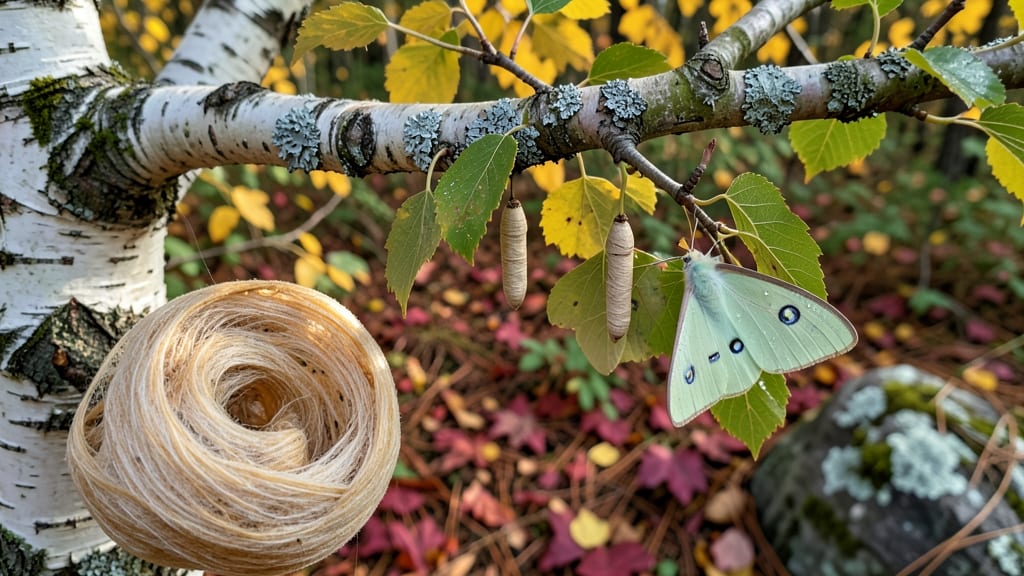
Those silky cocoons clinging to your tree branches aren’t just decoration—they’re likely moth pupae or spider egg sacs ready to hatch into pests. ✨ The good news?
You can remove them safely without harming the tree or yourself, and I’ll walk you through the exact steps that keep your yard thriving while protecting pollinators like butterflies.
Most home gardeners panic when they spot these cocoons, but timing and technique matter more than brute force. Early spring or late winter is the best window to act—before the critters inside emerge. Common targets include apple, willow, and oak trees, where these cocoons often cluster along smaller branches.
With the right tools (gloves, pruners, and a bucket of soapy water), you’ll snip and dispose of them in under 30 minutes. The key is working when the tree is dormant, so you don’t accidentally harm beneficial insects that look similar but arrive later in the season.
If your tree is large or the infestation heavy, call a local arborist—some cocoons belong to native species that help the ecosystem. Otherwise, this method keeps your trees healthy and your garden pest-free without chemicals.
📚 In This Guide
- What you need
- Instructions
- Tips and common mistakes
- Wrapping up and next steps
What you need
- ● Pruning shears or lopers – Bypass pruners (for small cocoons, 6–8" blades) or loppers (for thicker branches, 18–24" handles). Sharpness is key!
- ● Extension pole saw – For high branches (10–15 ft reach, telescoping for flexibility).
- ● Heavy-duty gloves – Leather or insect-resistant (thick, 12–14" cuffs to protect against stings or rough bark).
- ● Safety glasses – ANSI-rated to shield against debris.
- ● Disposable dust mask or respirator – N95 or better (cocoon debris can irritate lungs).
- ● Trash bags or bucket – Heavy-duty, 30-gallon (for disposal; cocoons may be heavy when wet).
- ○ Ladder (optional but recommended) – Sturdy, non-slip (20–30 ft, with stabilizers for safety). Never stand on the top 3 rungs!
- ● Pole pruner with bag attachment – Saves time by catching debris mid-air.
- ● Hose with nozzle – To rinse tools and branches post-pruning (prevents sap buildup).
- ○ Tree wound dressing (optional) – Pruning sealant (only for large cuts; controversial but useful for some tree types).
- ● Insect repellent – DEET-free, EPA-approved (if working near wasp nests or caterpillar colonies).
- ● First-aid kit – Includes tweezers (for splinters or stings).
Instructions for safely removing tree cocoons from branches
Here’s how to tackle those silky strands without harming your tree or inviting unwanted pests.
🪴 Step 1: Identify the Cocoons and Their Risks
First, confirm what you’re dealing with—tree cocoons are usually spun by caterpillars like tent caterpillars or gypsy moths. Look for silky webs or egg masses on branches. These cocoons overwinter and can hatch into destructive larvae in spring. If the cocoons are brown, papery, and clustered, they’re likely gypsy moth egg masses, which are especially harmful.
Wear long sleeves and gloves (I always use thick gardening gloves to avoid skin irritation). Check branches thoroughly—some cocoons hide under bark or in crevices. If you spot live caterpillars or fresh webbing, prioritize removal immediately to prevent an infestation.
✂️ Step 2: Gather Your Tools and Prepare the Work Area
You’ll need sharp pruning shears, a bucket of soapy water, and a long-handled brush (like a broom with stiff bristles). Lay down a drop cloth or tarp beneath the tree to collect debris easily. I like to work on a dry, calm day—wind can scatter cocoons, and moisture makes handling them messier.
Fill the bucket with warm, soapy water (a few drops of dish soap per gallon). This will dissolve the silk and drown any eggs or larvae inside. Keep the shears clean by wiping them down between cuts—sap and debris can dull blades quickly.
💧 Step 3: Remove Cocoons by Hand or Pruning
For small clusters, use the brush to gently sweep cocoons into the bucket. Scrub branches with the brush to dislodge hidden egg masses—focus on cracks, buds, and undersides of limbs. If cocoons are tightly woven into the bark, don’t force it; instead, cut the branch section with cocoons and dispose of it in the bucket.
For larger infestations, prune affected branches 6 inches below the cocoons to ensure you remove the entire nest. Seal pruning cuts with pruning sealant to protect the tree from disease. Work systematically—start at the outer branches and move inward to avoid missing any hidden cocoons.
🪴 Step 4: Dispose of Cocoons and Sanitize Tools
Dispose of all cocoons and debris in the soapy water bucket—let it sit for at least 24 hours to ensure eggs are killed. Afterward, double-bag the cocoons in a sealed plastic bag and throw them in the outdoor trash (not compost or recycling). This prevents accidental release of larvae or eggs.
Sanitize your tools by wiping them with rubbing alcohol or a 10% bleach solution (1 part bleach to 9 parts water). Rinse thoroughly with water to remove residue. Store tools in a dry place to prevent rust or mold buildup.
☀️ Step 5: Monitor and Prevent Future Infestations
Inspect the tree weekly for new cocoons, especially after pruning. Healthy trees are less vulnerable, so water deeply during dry spells and fertilize in early spring to boost resilience. If you notice new webbing or caterpillars, repeat the removal process immediately.
For preventive care, apply horticultural oil or insecticidal soap in late fall or early spring (before eggs hatch). Avoid chemical pesticides—they can harm beneficial insects and the tree itself. A light pruning in late winter also helps by removing potential hiding spots for egg-laying adults.
Tips & tricks for safe tree cocoon removal
Here's what I've learned after dealing with multiple infestations - these tricks make the process smoother and more effective.
Visual Identification Tip: When checking for cocoons in Step 1, look for two key signs: first, the silky strands should appear slightly fuzzy rather than smooth, and second, the egg masses often have a slight sheen when wet. I've found that using a flashlight at a low angle helps reveal hidden cocoons in bark crevices - the light catches the silky texture better than direct sunlight. This prevents missing any potential nests that could lead to future problems.
Tool Preparation Strategy: Before you start in Step 2, I recommend soaking your pruning shears in warm, soapy water for 5 minutes after each major cut. This helps dissolve any residual silk that might stick to the blades and transfer to healthy branches. Also, keep a small spray bottle of rubbing alcohol nearby to quickly disinfect your shears between cuts on different branches - this prevents cross-contamination between infested and clean areas of the tree.
Disposal Safety: In Step 4, when double-bagging the cocoons, I add an extra layer of protection by placing the sealed bag inside a second, heavier-duty trash bag. This prevents any accidental tears during disposal. For particularly large infestations, I've even used a burlap sack lined with plastic - it's more durable and makes carrying the heavy cocoons easier. After disposal, I always wash my hands thoroughly with soap and water, even after wearing gloves, as some caterpillar hairs can cause skin irritation.
Preventive Maintenance: For Step 5 monitoring, I've found that marking the date of your last inspection on your calendar with a reminder set for 7 days later helps maintain consistency. I also recommend keeping a small notebook nearby to record any new cocoons you find, noting their location and size. This creates a visual record of the infestation's progression or regression, which helps you track the effectiveness of your removal efforts over time.
Pro Tips for Cocoons On Tree Branches
- Here's what I've learned after dealing with multiple infestations - these tricks make the process smoother and more e...
- Visual Identification Tip: When checking for cocoons in Step 1, look for two key signs: first, the silky strands shou...
- Tool Preparation Strategy: Before you start in Step 2, I recommend soaking your pruning shears in warm, soapy water f...
Frequently asked questions
Got questions about those mysterious cocoons on tree branches? You’re not alone! Here are some of the most common concerns—and their answers—to help you tackle this task with confidence.
Are cocoons on tree branches harmful to my tree?
Most cocoons belong to beneficial insects like silk moths or sawflies, which play a role in pollination or natural pest control. However, if they’re from spider mites, scale insects, or bagworms, they can damage foliage. Inspect the cocoons closely—if they’re silky, brown, or clustered, they’re likely harmless. If they’re hard, green, or causing defoliation, remove them promptly.
When is the best time to remove cocoons from tree branches?
The ideal window is late winter to early spring (before buds swell) or fall (after leaf drop). This timing minimizes stress on the tree and ensures you catch overwintering pests. Avoid pruning during active growth seasons (spring/summer), as it can attract more insects or stress the tree.
Can I just leave the cocoons and let nature handle it?
It depends! If the cocoons are from native, non-pest species, leaving them alone is fine—they’ll eventually hatch or decompose naturally. But if you suspect bagworms, tent caterpillars, or gypsy moths, removal is key. Pro tip: Shake branches over a tarp in fall to collect and dispose of cocoons before they hatch.
What should I do if the cocoons won’t come off easily?
Stubborn cocoons often mean the larvae have spun them tightly into the bark or leaf litter. Try these steps:
- Gently scrape with a plastic pruning tool (avoid metal to prevent bark damage).
- Use a hose with high pressure (on a low setting) to dislodge them.
- For hard-to-reach spots, apply neem oil (a natural insecticide) to weaken the silk.
If all else fails, prune the affected branch—just sterilize your tools first!
Are there natural alternatives to removing cocoons?
Yes! For organic control, try:
- Beneficial nematodes (microscopic worms that target pest larvae).
- Birds and bats—installing bat houses or bird feeders can encourage natural predators.
- Diatomaceous earth (food-grade only!) sprinkled around the tree base to deter emerging insects.
Warning: Avoid chemical pesticides unless absolutely necessary—they can harm pollinators and beneficial insects.
Wrapping up and next steps
Discovering cocoons on tree branches can feel like a puzzling challenge, but with the right tools and techniques, you can tackle this task safely and effectively.
Whether you’re dealing with silk-spun nests or pesky caterpillar casings, proper pruning not only keeps your trees healthy but also protects your garden’s ecosystem. 🌿
Now that you’re equipped with knowledge—from the best tools to use to understanding when to act—take action with confidence! Grab your pruners, follow the steps, and give your trees the care they deserve. Next up? Keep an eye on those branches and enjoy the transformation as your tree thrives—one cocoon at a time! 🌱✨