
Blooming
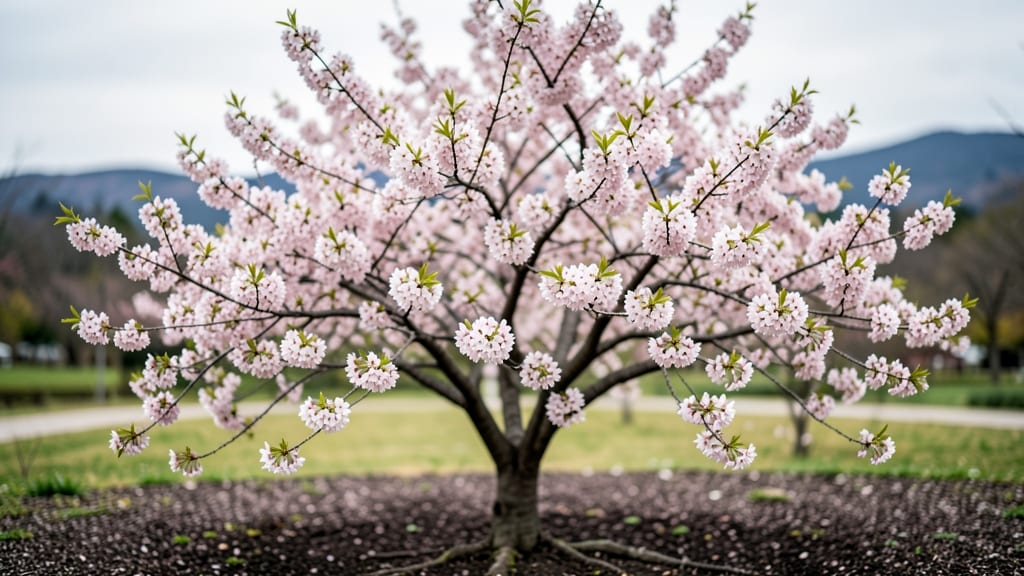
The cherry blossom tree bloom time 🌸 is the highlight of spring, turning neighborhoods into dreamy pink canopies—but catching it means knowing your local window.
Picture this: You’ve waited all winter for those delicate petals to unfurl, only to arrive at your favorite park and find the branches bare. Or worse, the blossoms are already fading. The difference between a perfect show and a missed opportunity often comes down to timing—and your USDA zone.
Bloom seasons vary wildly across the country. In the South, trees like Prunus avium might burst into color as early as February, while Pacific Northwest varieties like Kanzan peak in April or May. Even within a single region, microclimates can shift bloom dates by weeks.
Below, I’ll break down the science behind these windows, how to adjust for your yard’s quirks, and which varieties will give you the longest spring display.
You’ll leave here knowing exactly when to plan your picnic, how to choose trees for a prolonged show, and even how to nudge your tree’s schedule with a little strategic care. Let’s get started.
Cherry blossom bloom time by USDA zone: when to expect peak colors
Cherry blossoms are nature's most stunning spring spectacle—but their bloom windows vary dramatically across the U.S. If you're planning a visit to Washington D.C.'s Tidal Basin or simply hoping to enjoy your backyard tree, knowing your USDA zone and regional microclimate is key.
Most Prunus serrulata (Japanese cherry) and Prunus avium (ornamental cherry) varieties bloom for just 7-14 days, so timing matters!
Bloom timing depends on chill hours (cold winter exposure) and warmth thresholds. Trees in warmer zones often bloom earlier, while those in colder climates may wait until late April or May.
The East Coast typically sees blooms 2-3 weeks earlier than the Midwest, and West Coast varieties can vary by altitude and coastal influences.
| USDA Zone | Region | Avg. Bloom Start | Peak Bloom | Avg. Bloom End | Key Varieties |
|---|---|---|---|---|---|
| 3-5 | Pacific Northwest (Coastal) | Late Feb - Early Mar | Mid-Mar - Early Apr | Early - Mid Apr | 'Stella Compacta', 'Mount Fuji' |
| 6-7 | Midwest (Chicago, Detroit) | Mid-Apr | Late Apr - Early May | Mid-May | 'Kanzan', 'Autumnalis' |
| 7-8 | East Coast (NYC, Philly) | Early Apr | Mid-Apr - Early May | Late Apr - Early May | 'Shirotae', 'Somei-Yoshino' |
| 8-9 | Southwest (LA, Phoenix) | Late Jan - Feb | Feb - Early Mar | Mid-Mar | 'Okame', 'Taihaku' |
| 9-10 | California (San Francisco) | Late Feb | Early Mar | Mid-Mar | 'Yoshino', 'Shidare-Zakura' |
Note: Coastal areas bloom 1-2 weeks earlier than inland zones.
In USDA Zones 3-5, like Seattle or Portland, cherry blossoms often kick off the season as early as late February. The mild coastal climates provide the perfect chill hours without extreme cold snaps.
For example, 'Stella Compacta' in Zone 5 typically blooms by March 15, while 'Mount Fuji' follows a week later.
Moving east to Zones 6-7, Midwest gardeners can expect blooms in mid-April. Cities like Chicago and Detroit see peak colors around April 25-May 2, with varieties like 'Kanzan' (double pink blooms) lasting slightly longer than standard types.
Urban heat islands can push blooms 3-5 days earlier in city centers.
The East Coast (Zones 7-8) delivers some of the most famous displays, with Washington D.C.'s 'Kwanzan' and 'Autumnalis' varieties peaking in mid-April. NYC's 'Shirotae' (white blossoms) often blooms a week earlier than inland areas. Pro tip: Check the National Park Service's cherry blossom
How to adjust bloom time predictions for your microclimate
Your local cherry blossom tree bloom time might not match national averages—even if you're in the same USDA zone. Microclimates created by altitude, urban heat, or nearby water bodies can shift bloom windows by 1-3 weeks. For example, Denver's 1,600 ft elevation delays blooms compared to nearby plains areas.
Urban areas often experience heat island effects, where pavement and buildings trap warmth, causing trees to bloom 5-10 days earlier than rural counterparts. Even your backyard's sun exposure or wind patterns can create microclimates that affect timing.
⚠️ WARNING: Common Mistake
To fine-tune predictions, start by checking historical bloom records from your region. The National Park Service’s DC tracker (used for Tidal Basin trees) is a great model—many cities now maintain similar databases. For example, Seattle’s Prunus serrulata blooms 2 weeks later than Portland’s due to cooler coastal air.
Plant maturity also plays a role: Young cherry blossom trees (under 5 years) may bloom 2-4 weeks later than mature specimens. This happens because younger trees focus energy on root and trunk growth rather than flowering. If you're planting new trees, account for this delay when planning viewing events.
Use local weather data from the past 5 years to spot patterns. Look for chilling hours (below 45°F) your trees need—most Prunus serrulata varieties require 800-1,000 hours.
If your winter was unusually warm, blooms may arrive 1-2 weeks late. Conversely, cold snaps can push blooms earlier if they break dormancy sooner.
For the most accurate predictions, combine these factors: check local bloom records, adjust for plant age, and monitor weather patterns. With this approach, you’ll catch your cherry blossom tree’s peak bloom within 3-5 days—no more missed spring spectacles! 🌸